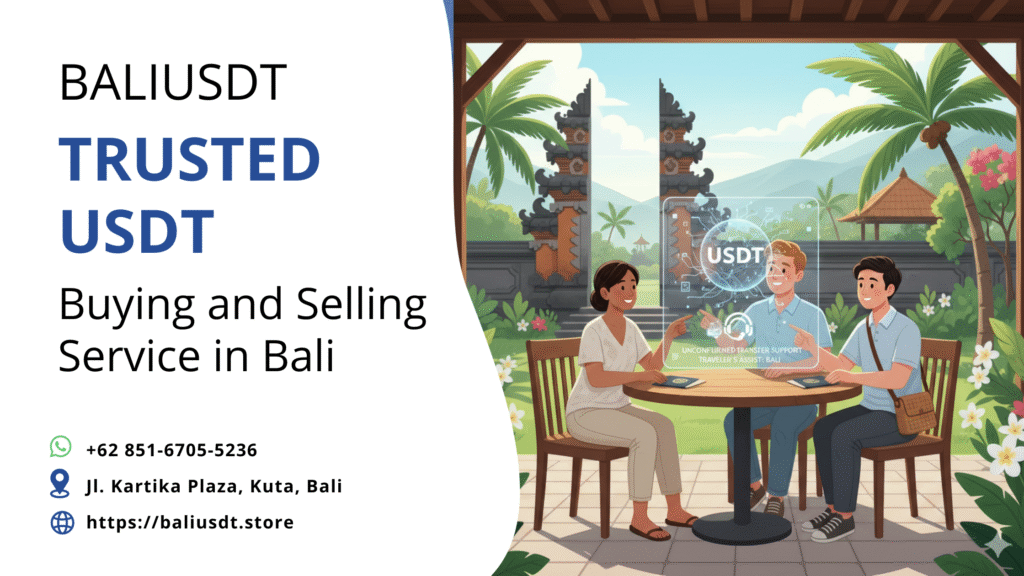
If you are a traveler, digital nomad, or expat in Bali dealing with cryptocurrency, you may eventually find yourself asking how to contact USDT for unconfirmed transfer. This situation can be particularly stressful when you are abroad and rely on quick access to your funds for daily expenses, accommodation, or travel plans. Dealing with a stalled Tether (USDT) transaction requires understanding the underlying technology and the correct, formal channels to seek resolution, rather than panicking or relying on unverified sources. The reality is that USDT, as a stablecoin, runs on various blockchain networks (like Tron, Ethereum, etc.), and the transfer process is primarily governed by that specific network, not directly by Tether (the company). Therefore, knowing the difference between a blockchain issue and a Tether-specific issue is crucial for a fast resolution.
Understanding the Mechanics of an Unconfirmed USDT Transfer
To address an unconfirmed transfer, you first need to identify why it is stuck. An unconfirmed transaction means the transfer has been broadcast to the network but has not yet been included in a validated block by the miners or validators.
Why USDT Transfers May Remain Unconfirmed
There are several common reasons why a transaction might be stalled, especially for someone new to crypto or transacting under the variable conditions of international travel:
- Insufficient Gas/Fees: If you sent USDT on a network like Ethereum (ERC-20), the transaction may have been submitted with an inadequate gas fee. Miners prioritize transactions that offer higher fees. If your fee is too low, the transaction waits in the mempool (memory pool) until network congestion decreases or you or your wallet provider manually increase the fee (a process called “speeding up” or “canceling”).
- Network Congestion: Periods of high demand on the blockchain network you used can lead to delays. For instance, if the Tron (TRC-20) network is experiencing heavy traffic, transactions can take longer to process.
- Wallet Synchronization Issues: Sometimes, the transaction has been confirmed on the blockchain, but your wallet or exchange is slow to reflect the new status. Checking an independent blockchain explorer is vital.
- Incorrect Address or Memo/Tag: While a transfer to an invalid address usually fails immediately, an incorrect memo or tag when sending to an exchange can cause the funds to be sent but held in limbo by the receiving exchange, not Tether.
Understanding these technical aspects is the first step before you consider how to contact USDT for unconfirmed transfer. In most cases, the solution lies with the network or the wallet, not the issuer, Tether.
The Official Tether (USDT) Approach to Customer Support
Tether (USDT) is the issuer of the stablecoin, not the day-to-day transaction processor or the operator of the blockchain network. Consequently, their formal support structure is not designed to resolve simple unconfirmed transfers. Their official stance is that once a token is issued, its movement is a function of the underlying blockchain protocol.
Tether’s Scope of Support
Tether’s official support channels are primarily dedicated to:
- Redemption/Issuance Issues: Problems related to the direct minting or burning of USDT with Tether by authorized corporate partners.
- Legal/Regulatory Inquiries: Compliance and legal matters.
- Specific Wallet Issues (Very Limited): Only if the problem directly involves the official Tether-operated wallet (which most travelers do not use).
Crucially, Tether does not have a 24/7 customer service hotline or chat to troubleshoot stuck transactions. You won’t find a direct phone number to resolve your unconfirmed transfer quickly. Their support is generally conducted via email or a formal support ticket system, which can be slow and is unlikely to provide a timely resolution for a basic gas fee issue.
Step-by-Step Procedure to Resolve a Stuck Transfer
Instead of immediately asking how to contact USDT for unconfirmed transfer, you should follow a systematic, technical, and formal resolution process. This is the most effective approach for a traveler or expat.
Step 1: Verify the Transaction Status on a Blockchain Explorer
This is the single most important step.
- Locate the Transaction ID (TxID): Get this from your sending wallet or exchange history.
- Use the Appropriate Explorer: If you sent USDT on the Tron network, use the TronScan explorer. If on Ethereum, use Etherscan. Paste the TxID into the explorer search bar.
- Analyze the Status:
- “Pending” or “Unconfirmed”: This means the transaction is waiting for a miner/validator. You might need to check your wallet’s options to “speed up” the transaction by paying a higher fee.
- “Confirmed”: The transaction is complete. If the funds aren’t in the receiving wallet, the issue is with the receiving exchange or wallet, not the transfer itself.
- “Dropped” or “Failed”: The transaction never went through, and the funds should still be in your sending wallet.
Step 2: Contact Your Sending and Receiving Platforms
If the blockchain explorer shows the transaction is stuck in Pending, or if it is Confirmed but the funds haven’t arrived, contact the relevant platforms.
- For Pending Transactions: Contact the support team of the wallet or exchange you used to send the USDT. Ask them if they can assist you in replacing the transaction with a higher fee or canceling the pending one.
- For Confirmed Transactions (but not arrived): Contact the support team of the receiving exchange or wallet. Provide them with the TxID and the correct memo/tag (if applicable). This is especially common for transfers to platforms like Binance or Coinbase.
Step 3: Formal Inquiry to Tether (The Last Resort)
Only after exhausting the steps above and being certain the issue relates to a fundamental Tether-issued token problem (which is rare) should you consider how to contact USDT for unconfirmed transfer via their official channels.
- Visit the official Tether website.
- Look for the “Support” or “Contact Us” section.
- Submit a formal support ticket via their dedicated portal, detailing the transaction hash, the amount, the date, and the results you found on the blockchain explorer.
- Be Patient: As noted, this process is formal and not intended for rapid resolution.
Local Bali Tip: Avoid Unconfirmed Transfers by Using a Trusted Local Partner
While navigating the complexities of blockchain can be challenging, especially while traveling in Bali, a simpler and safer approach for converting your USDT to local Rupiah (IDR) is to use a reputable local vendor. Dealing with a verified partner minimizes the risk of network issues since a good service handles the technical blockchain process for you.
When you are in a foreign country like Indonesia, safety and convenience are paramount. Imagine you are trying to pay for your villa rental or a new scooter purchase. A stuck transfer means instant cash flow problems. Using a local, trusted service dramatically reduces the instances where you have to worry about how to contact USDT for unconfirmed transfer.
A professional service can guide you through the process, ensure the correct network (TRC-20 is common and fast) is used, and quickly resolve any minor delays, providing you with IDR instantly upon confirmation. For many expats and digital nomads, this peace of mind is invaluable.
If you are looking for a reliable way to sell your USDT for cash in Bali without the stress of managing blockchain traffic or worrying about an unconfirmed transfer, you should consider using a professional exchange service. They offer immediate IDR payouts, removing the need to worry about the technical steps of the crypto transfer. For instance, you can check out the services offered by BaliUSDT.store for a seamless and secure transaction here in Bali. They are designed to manage the crypto side so you don’t have to concern yourself with issues like how to contact USDT for unconfirmed transfer.
Protecting Yourself: Security and Prevention for Travelers
Preventative measures are far better than having to ask how to contact USDT for unconfirmed transfer. Especially as a foreign visitor, protecting your assets is a priority.
Key Practices for Secure USDT Transfers
- Always Use the Correct Network: Ensure your sending and receiving platforms are on the same network (e.g., TRC-20 to TRC-20). Sending USDT from Ethereum (ERC-20) to a Tron (TRC-20) address will almost certainly result in a loss of funds.
- Double-Check the Address: Copy and paste the address. Never type it manually. Always check the first four and last four characters of the address.
- Send a Small Test Transaction: For large amounts, always send a small test amount (e.g., $10) first to confirm the path is correct before sending the bulk of your funds.
- Review Gas Fees: Before confirming the transaction, review the network fee. If it seems unusually low, you may risk an unconfirmed transfer. Using a faster and cheaper network like Tron (TRC-20) often helps avoid high gas fee issues found on Ethereum.
These proactive steps can help travelers and digital nomads avoid the scenario where they are trying to figure out how to contact USDT for unconfirmed transfer in the first place, ensuring their funds are available when needed most in Bali.
Conclusion
The stress of an unconfirmed USDT transfer, particularly while navigating a foreign country, is understandable. However, the direct answer to how to contact USDT for unconfirmed transfer is that Tether (the issuer) is rarely the correct first point of contact. The resolution process is technical and involves checking the blockchain explorer (TronScan, Etherscan) and contacting your sending or receiving wallet/exchange support. For those living or traveling in Bali, the most convenient and reliable way to mitigate this risk is to use a trusted local exchange service. This approach removes the complexity of managing blockchain network fees and congestion, providing fast access to local Indonesian Rupiah and ensuring your focus remains on enjoying your time on the Island of the Gods.
📲 WhatsApp us to sell your USDT safely: +62 851-6705-5236
Check today’s USDT selling rate via Whatsapp
Visit our office in Bali for secure USDT selling
JL. KARTIKA PLAZA, KUTA, KEC. KUTA, KAB. BADUNG, BALI 80361
USDT is processed as a commodity sale in Indonesia, not as a direct payment method.
Read also: Do I Need to Register to Use USDT in Bali? Rules & Tips for Travelers