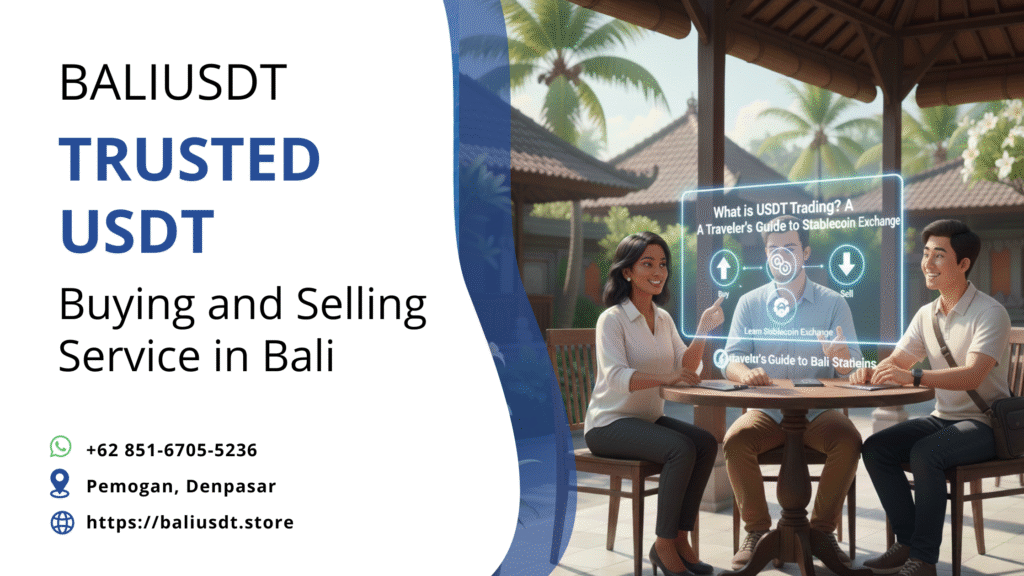
For the modern traveler, especially those visiting international hubs like Bali, understanding what is USDT trading is no longer a niche financial pursuit but a practical skill for managing cross-border finances efficiently. USDT, or Tether, is the leading stablecoin in the world, specifically designed to mirror the value of the US Dollar (USD) on a 1:1 basis. Its stability, combined with the borderless nature of the blockchain, makes it an indispensable tool for tourists, digital nomads, and expats looking to shield their funds from volatile local currencies and exorbitant bank fees. Therefore, delving into the mechanics of USDT trading is the first step toward achieving financial freedom while abroad.
Defining USDT and Its Primary Role
Before exploring the trading aspects, we must clearly define USDT. USDT is a fiat-collateralized stablecoin, meaning its value is backed by reserves intended to match the amount of USDT in circulation. This fundamental mechanism ensures that its price remains pegged to $1.00 USD, distinguishing it sharply from highly volatile cryptocurrencies like Bitcoin or Ethereum.
The Function of a Stablecoin
The key benefit of a stablecoin, and the core purpose of USDT, is to act as a digital dollar. This stability provides a vital bridge between the volatile world of crypto and the reliable value of fiat currency. For international travelers, this means you can hold your travel budget in a digital format that is secure, instantly transferable, and retains its US Dollar purchasing power, regardless of local currency fluctuations or economic turmoil. Consequently, USDT trading is inherently tied to hedging and financial security.
Understanding the Concept of “Trading” USDT
When most people ask what is USDT trading, they often think of speculation. However, for a traveler, USDT trading usually falls into three main, practical categories:
- Fiat-to-USDT Trading (Acquisition): Converting your home currency (e.g., Euro, Australian Dollar) into USDT via a crypto exchange to secure your travel funds at the start of your journey.
- Crypto-to-USDT Trading (Hedging): Converting a volatile cryptocurrency (like BTC or ETH) into USDT to lock in profits or mitigate loss when markets are unstable.
- USDT-to-Local Fiat Trading (Liquidation): Converting your USDT into the local currency (e.g., Indonesian Rupiah in Bali) when you need physical cash for day-to-day spending. This final step is crucial for on-the-ground expenses.
USDT Trading for International Tourists: Convenience and Cost-Efficiency
The core advantages of using USDT for travel directly address the major pain points associated with traditional banking systems in foreign countries—slow transfers and high costs. Thus, understanding what is USDT trading means appreciating its utility as a global, instant settlement system.
Bypassing High International Banking Fees
Traditional international wire transfers (SWIFT) are notoriously slow, expensive, and involve numerous intermediary banks that take a cut. Moreover, foreign ATM withdrawals often levy both a percentage-based conversion fee and a flat transaction fee. By contrast, sending USDT across borders, particularly using the efficient TRC-20 network, often costs less than $1 USD and is processed within minutes. Therefore, for tourists needing to move money quickly from their home account or receive remittances, USDT trading offers massive savings.
Instant Liquidity and Accessibility
In remote or highly cash-dependent areas, access to reliable ATMs can be limited. Because USDT trading relies only on a smartphone and an internet connection, you gain unparalleled financial accessibility. Once you find a reputable local service for conversion, you can liquidate your USDT into local cash almost instantly. This instant liquidity is a major reason what is USDT trading matters to travelers, as it means funds are always available when you need them, without relying on banking hours or infrastructure.
Security and Risk Mitigation in USDT Trading
Security is a primary concern for anyone traveling with large sums of money. The blockchain architecture provides inherent security advantages over carrying large amounts of physical cash, but the user must adhere to best practices.
Reducing Physical Cash Risk
By storing the bulk of your travel budget in USDT within a secure, non-custodial digital wallet, you eliminate the risk of physical theft common with cash. Even if your phone is lost or stolen, your funds remain protected by your private keys, making the digital possession of assets much safer than carrying a thick wallet of local currency. Consequently, for tourists who plan to carry significant funds, this security is paramount.
Hedging Against Local Currency Devaluation
In some economies, local fiat currency can experience sudden and significant devaluation against the US Dollar. By holding your reserve funds in USDT, you are effectively holding digital US Dollars. You are protected from the volatility of the local currency until the precise moment you choose to convert it. This hedging is a core component of what is USDT trading from a traveler’s perspective: it is a strategy to preserve wealth.
For example, when you are in a location like Bali and need to convert USDT to Indonesian Rupiah (IDR), you want to ensure you get a favorable and transparent rate. Services like BaliUSDT.store facilitate this final step securely, ensuring you get the most IDR for your stablecoin.
Navigating the Legal and Local Landscape of USDT Trading
While USDT is a global asset, its use and conversion must comply with local regulations. Travelers must be aware of the context in which they are performing USDT trading, especially when converting it to cash.
Understanding the Local Framework
In many jurisdictions, including Indonesia, cryptocurrencies and stablecoins are typically treated as digital commodities or assets, not as official tender for direct payment. This is an important distinction when understanding what is USDT trading. It means you cannot typically walk into a restaurant and pay for a meal directly with USDT. Instead, you must engage in a commodity sale (selling the USDT) to a licensed or reputable service provider in exchange for the local fiat currency (IDR).
Importance of Reputable, Transparent Local Exchange
For expats and travelers, finding a reliable, transparent service for USDT-to-fiat conversion is critical. You must avoid unverified peer-to-peer (P2P) trades that carry high risks of fraud or scams. Always opt for services with a clear physical presence and a strong reputation within the expat community. This due diligence ensures your USDT trading remains secure and compliant with local norms. Furthermore, always use the most cost-effective network, usually TRC-20, to minimize transaction costs for the exchange process.
Conclusion
The answer to what is USDT trading for an international tourist is simple: it is a robust, digital mechanism for storing, transferring, and converting US Dollar-pegged value with superior speed, lower cost, and greater security than traditional banking methods. By leveraging USDT, travelers can manage their budget efficiently, hedge against local currency risks, and ensure that their funds are available instantly, regardless of location. Embrace USDT trading not as a complex financial endeavor, but as the essential digital wallet for seamless global travel.
Check today’s USDT selling rate via WhatsApp
📲 Whatsapp us to sell your USDT safely: +62 851-6705-5236
Visit our office in Bali for secure USDT selling: Pemogan, Denpasar
USDT is processed as a commodity sale in Indonesia, not as a direct payment method.
Read also: How to USDT Register Indonesia: A Compliance Guide for Expats