For the international traveler, the question of can USDT transactions be traced is a crucial consideration. It touches on personal security and financial compliance. Many people mistakenly think that all crypto transactions, including those using the stablecoin Tether (USDT), are completely anonymous. However, the reality of public blockchain technology is more complex. Understanding the transparency and traceability of USDT is essential for tourists, digital nomads, and expats. They rely on stablecoins for efficient and safe cross-border financial management.
The Core Concept: Pseudonymity vs Anonymity
The fundamental nature of USDT transactions determines their traceability. These transactions operate on public blockchains like Tron (TRC-20) or Ethereum (ERC-20). The key distinction lies between pseudonymity and true anonymity.
The Public, Immutable Ledger
Every USDT transaction goes onto a public, decentralized ledger called the blockchain. This ledger is transparent, so anyone can view every transaction in the world.
- Public Data: Transactions show essential details. These include the sender’s wallet address, the recipient’s wallet address, the exact amount of USDT transferred, and the time and date.
- Immutability: Once the blockchain confirms a transaction, no one can alter or delete it. Consequently, this permanent record makes tracing possible.
Wallet Addresses as Pseudonyms
Crucially, wallet addresses are strings of letters and numbers (e.g., those starting with ‘T’ for TRC-20). They act as pseudonyms, not real names. The blockchain doesn’t require you to attach your identity to a wallet. Therefore, transactions are initially pseudonymous. The difficulty, however, is that this pseudonymity is often compromised. This leads to the question of can USDT transactions be traced back to a specific person.
De-Anonymization: How Tracing Occurs
While the blockchain maintains pseudonymity, centralized financial institutions, regulations, and advanced analysis tools work hard to de-anonymize transactions. This process is generally very effective.
The Role of Centralized Exchanges (CEXs) and KYC
The most common way analysts link a person’s real-world identity to a USDT wallet address is through centralized exchanges (CEXs). These platforms—where most people first buy or cash out their USDT—enforce Know Your Customer (KYC) rules.
- KYC Linkage: When a tourist opens an account on a major exchange, they must provide identification documents like a passport. When they send USDT from that verified exchange account to their personal, unverified wallet, analysts can use transaction clustering to link the known identity to the anonymous wallet address.
- Law Enforcement Cooperation: International law enforcement can legally demand KYC data from CEXs. This makes it straightforward to track funds that moved through these regulated points.
Advanced Blockchain Analytics
The growth of sophisticated blockchain analytics firms has greatly improved the ability to trace funds. These companies specialize in turning raw blockchain data into useful information.
- Tracing Complex Flows: These tools track funds across multiple wallets, through complex sequences of transfers, and even across different blockchains.
- Identifying Patterns: Analysts use algorithms to identify patterns linked to money laundering, scams, or illegal activity. They flag addresses known to belong to criminals. This is why the question can USDT transactions be traced gets a definite “yes” from global law enforcement.
Security and Privacy for the International Tourist
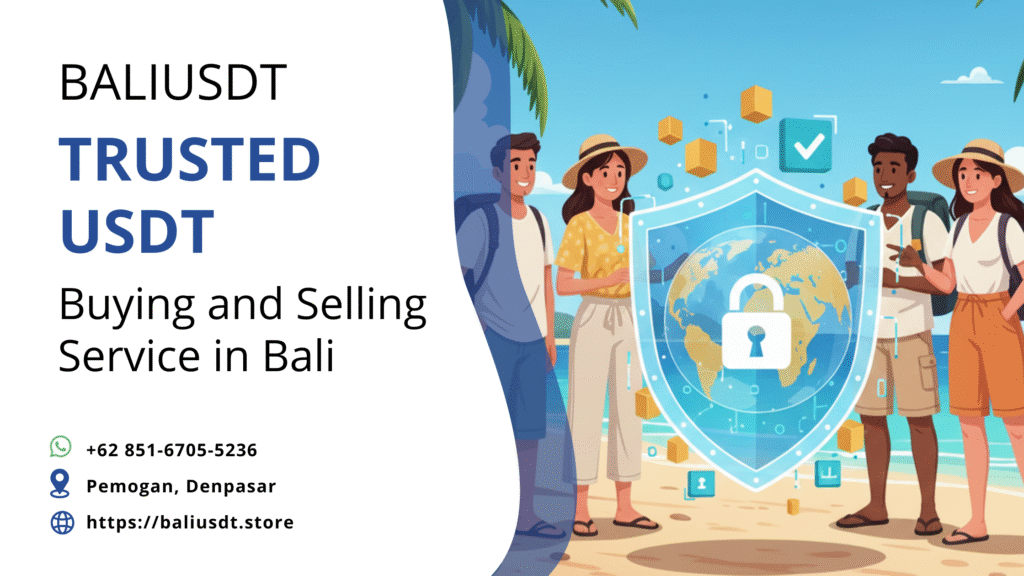
For the law-abiding international traveler, USDT’s traceability shouldn’t cause panic. Instead, it should guide smart practices for financial security and compliance while abroad.
Utilizing Reputable, Local Exchange Services
When a traveler needs to convert their USDT into local currency, like Indonesian Rupiah (IDR) in Bali, the final transaction is a critical point. Consequently, choosing a reliable, transparent service is vital for safety.
- Minimize Exposure: When exchanging USDT for cash, use established local services. Visit a verified office in Pemogan, Denpasar, for instance. This minimizes the risk of dealing with unknown parties who may be involved in illicit activities. Since every transaction is traceable, use a trusted source.
- Compliance: Reputable services operate with compliance as a priority. They ensure the sale of your USDT commodity for local currency happens openly and transparently. This aligns with local financial norms. For secure, compliant selling guidance, travelers can rely on services found via resources like BaliUSDT.store.
Protecting Your Wallet and Identity
Tourists must maintain high digital security to prevent their pseudonymity from being compromised:
- Use Dedicated Wallets: Avoid keeping large amounts of USDT on a CEX account. Instead, transfer funds to a secure, private, non-custodial wallet for greater control.
- Avoid Combining Funds: Be careful about mixing your personal USDT funds with funds from unknown sources. Because of clustering analysis, mixing funds can accidentally link your clean wallet to a compromised address.
- Use Secure Networks: The transparency of the Tron blockchain means that can USDT transactions be traced is certainly true on that platform, even though the TRC-20 network is popular for its low fees.
Transparency: A Benefit for Traveler Safety
While the surveillance aspect of blockchain traceability might sound worrying, for the honest traveler, it is a significant benefit. This is especially true for safety and potential fund recovery.
Deterrence of Theft and Scams
The inherent transparency of the blockchain strongly discourages theft. Because analysts can track every movement of stolen USDT crypto, freezing the funds at the point of exchange becomes possible. Therefore, victims of scams have a concrete, immutable record of the stolen funds’ path—something impossible with physical cash. This ability to trace funds makes USDT much safer than carrying large quantities of foreign banknotes.
Compliance and Due Diligence
Ultimately, this transparency ensures travelers deal with a traceable, auditable asset. This helps countries like Indonesia maintain clear financial reporting and anti-money laundering (AML) efforts. The fact that can USDT transactions be traced helps keep the digital currency system honest. This benefits the traveler who seeks to transact securely and legally.
Conclusion
In conclusion, the answer to can USDT transactions be traced is a definitive yes. USDT transactions are pseudonymous on a public, immutable ledger. However, they become traceable to real-world identities when users interact with centralized exchanges that require KYC, and through the use of advanced blockchain analytics tools. For the international traveler, this transparency is beneficial. It ensures security against theft and facilitates compliant, auditable exchange processes abroad. By using trusted local services and maintaining good digital hygiene, you can harness the convenience of USDT while managing its traceability effectively.
Get guidance for selling USDT legally in Indonesia
📲 Whatsapp us to sell your USDT safely: +62 851-6705-5236
Visit our office in Bali for secure USDT selling: Pemogan, Denpasar
USDT is processed as a commodity sale in Indonesia, not as a direct payment method.
Read also: Which is the Best USDT Network for the International Tourist?