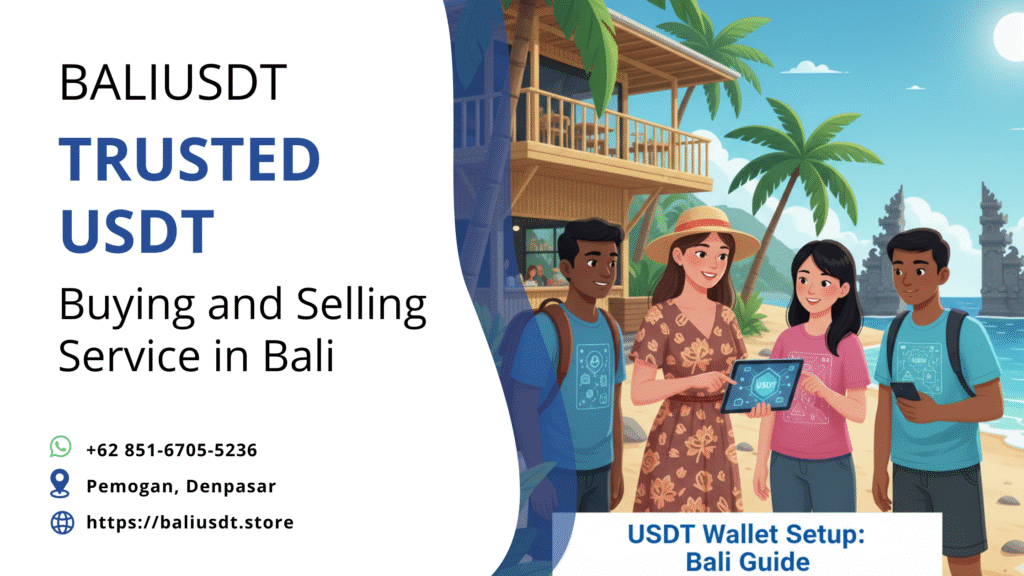
Knowing how to set up a usdt wallet is the first step toward achieving financial flexibility while exploring the beautiful landscapes of Indonesia. For many international travelers and digital nomads, Tether (USDT) acts as a stable digital version of the US Dollar, allowing them to move funds across borders without the delays of traditional banking. Whether you are planning a month-long yoga retreat in Ubud or setting up a remote office in Canggu, having a secure digital wallet is essential. This guide will simplify the technical hurdles of blockchain technology. We will help you understand the best security practices and local regulations so you can focus on enjoying the island’s culture rather than worrying about your cash flow.
Why Travelers Choose USDT for Bali
Before we dive into the details of how to set up a usdt wallet, it is important to understand why this specific stablecoin is so popular among the expat community in Bali.
Avoiding High International Bank Fees
Traditional banks often charge excessive fees for international wire transfers and ATM withdrawals. Furthermore, the exchange rates offered at airports or tourist kiosks are rarely in your favor. By using USDT, you can bypass these intermediaries. You gain the ability to transfer value directly and cost-effectively, which is a major advantage for those staying in Indonesia for an extended period.
Stability in a Volatile Market
Unlike Bitcoin or Ethereum, which can swing wildly in value over a single afternoon, USDT aims to stay at exactly $1.00. This predictability makes it an ideal “travel currency.” You can budget for your villa rental, scooter fuel, and daily meals with confidence, knowing that your digital balance will not suddenly drop before you convert it to Indonesian Rupiah.
Choosing the Right Wallet Type
When you research how to set up a usdt wallet, you will encounter several different options. Each type offers a different balance between convenience and security.
Software Wallets (Hot Wallets)
Software wallets are apps you install on your smartphone or computer. They are incredibly convenient for daily transactions. Popular choices include Trust Wallet, MetaMask, or Exodus. These apps are generally free and very user-friendly. However, because they are connected to the internet, you must be vigilant about cybersecurity.
Hardware Wallets (Cold Storage)
If you plan to hold a significant amount of money for a long-term stay, a hardware wallet like a Ledger or Trezor is the gold standard. These are physical devices that keep your private keys offline. Even if your laptop is compromised by a malicious Wi-Fi network in a Bali café, your funds remain safe. For the serious digital nomad, investing in a hardware wallet is a wise decision.
Exchange Wallets (Custodial)
Many people start by keeping their USDT on an exchange like Binance or Bybit. While this is easy, you do not technically “own” the keys to that wallet. For the highest level of safety, we always recommend moving your funds to a wallet where you hold the recovery phrase yourself.
Step-by-Step: How to Set Up a USDT Wallet
Now, let’s look at the practical steps. This process is similar across most platforms, making how to set up a usdt wallet a straightforward task once you know the basics.
Step 1: Download a Reputable App
Visit the official website of your chosen wallet provider. Avoid clicking on sponsored ads on Google, as these can sometimes lead to “phishing” sites. Download the app from the Apple App Store or Google Play Store, ensuring the developer name matches the official company.
Step 2: Create a New Wallet
Once you open the app, select the option to “Create a New Wallet.” The app will generate a 12 or 24-word “Seed Phrase” or “Recovery Phrase.” This is the most important part of the entire process.
Step 3: Secure Your Recovery Phrase
Write down this phrase on physical paper. Do not take a screenshot or save it in your notes app. If someone gains access to this phrase, they can steal your funds from anywhere in the world. Conversely, if you lose your phone and your recovery phrase, your money is gone forever. Keep this paper in a waterproof and fireproof location, such as a hotel safe or a secure document folder.
Step 4: Select the Correct Network
USDT exists on multiple blockchains. In Bali and across Southeast Asia, the TRC-20 (Tron) network is the most popular because it is fast and has very low fees. When you provide your address to someone, ensure you specify which network you are using to avoid losing your assets.
Connecting Your Digital Life to the Physical Island
Once you have mastered how to set up a usdt wallet, you need a way to turn those digital dollars into physical Indonesian Rupiah (IDR).
The Role of Commodity Sales
In Indonesia, the law classifies USDT as a commodity. This means you cannot use it directly to pay for your morning coffee or your surfboard rental. You must first sell your USDT to a local service provider. This legal framework protects both the traveler and the local economy, ensuring that all transactions follow national financial guidelines.
Finding a Secure Off-Ramp
To avoid the risks of unverified P2P (peer-to-peer) trades, it is best to use a professional service. For those staying in the southern part of the island, BaliUSDT.store offers a transparent and secure way to convert your digital assets. By using an established service, you can receive your Rupiah quickly and move on with your day.
Visiting a Local Office
If you prefer a face-to-face interaction, you can visit a physical office. This is particularly helpful for those who are still learning the ropes of digital assets. Our team is located in Pemogan, Denpasar, and we can help you navigate the process of selling your USDT commodity in a safe environment.
Local Tips for Managing Your USDT in Bali
Setting up your wallet is just the beginning. To truly succeed as a digital nomad, you should keep these local tips in mind.
- Use a VPN: When checking your wallet at a beach club or café, always use a VPN. Public Wi-Fi is notorious for “Man-in-the-Middle” attacks.
- Keep Small Amounts for Daily Use: Keep the bulk of your funds in a hardware wallet and only move what you need for the week into your smartphone app.
- Understand Network Fees: Sending USDT on the Ethereum (ERC-20) network can cost $10–$30 in gas fees. On the TRC-20 network, it usually costs less than $2. Always check the fee before confirming a transfer.
- Stay Mindful of Scams: If someone approaches you on social media offering “guaranteed returns” on your USDT, it is a scam. Stick to reputable, physical businesses for all your financial needs.
Conclusion
Learning how to set up a usdt wallet gives you a powerful tool for managing your international lifestyle. By following the steps of choosing a secure wallet, protecting your recovery phrase, and using the right networks, you can navigate the financial landscape of Bali with total confidence. Once your wallet is ready, you can easily bridge the gap between digital assets and local currency through professional commodity sales. This allows you to enjoy the best of both worlds: the cutting-edge efficiency of blockchain and the timeless beauty of Indonesia.
📲 Whatsapp us to sell your USDT safely: +62 851-6705-5236
Get guidance for selling USDT legally in Indonesia
Visit our office in Bali for secure USDT selling: Pemogan, Denpasar
USDT is processed as a commodity sale in Indonesia, not as a direct payment method.
Read also: Should I Invest in USDT? Separating Stability from Speculation