Many digital nomads and holidaymakers arriving in the “Island of Gods” often ask, can usdt transactions be traced if they use their digital assets for local expenses? Tether (USDT) is the backbone of the crypto economy for travelers, offering a stable alternative to the volatile swings of Bitcoin. However, the misconception that cryptocurrency is completely anonymous still lingers in many travel circles. Understanding the transparency of the blockchain is crucial for maintaining your financial privacy and safety while navigating the bustling streets of Seminyak or the serene rice terraces of Tegallalang.
The Myth of Cryptocurrency Anonymity
When discussing whether can usdt transactions be traced, it is important to distinguish between “anonymous” and “pseudonymous.” Most blockchains, such as Ethereum, Tron, or Solana—which host the majority of USDT—are public ledgers. This means every single transaction is recorded for the world to see. Anyone with a blockchain explorer and your wallet address can view your transaction history, including timestamps and amounts.
For a traveler in Bali, this means that while your name isn’t directly written on the blockchain, your “digital footprint” is visible. If you share your wallet address with a villa owner or a local vendor, that person could technically look up your balance. Therefore, the answer to can usdt transactions be traced is a definitive yes, especially if your wallet address becomes linked to your real-world identity through a public interaction or a social media post.
How Blockchain Tracing Works in Practice
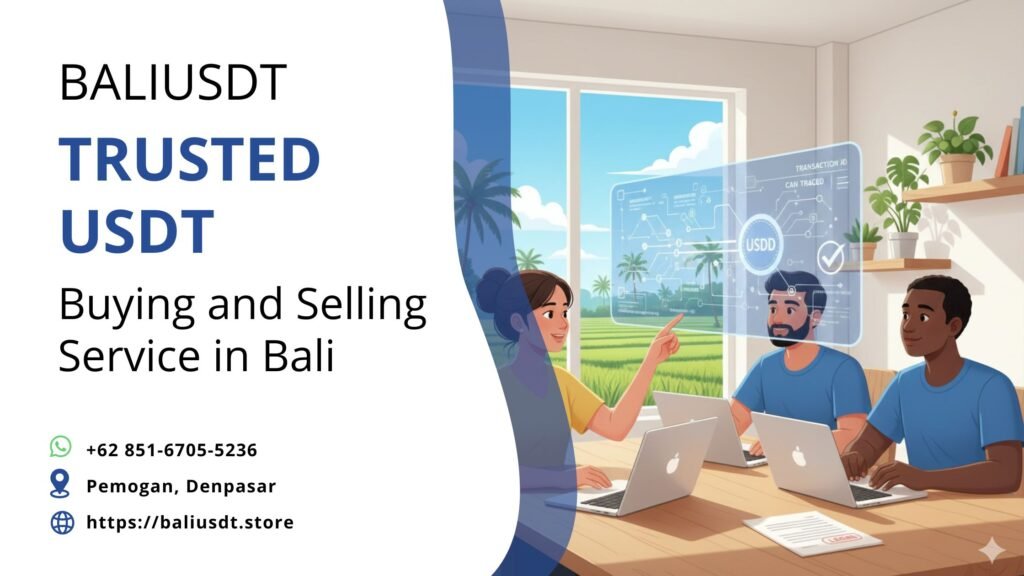
So, how exactly can usdt transactions be traced by authorities or third parties? The process usually involves “on-chain analysis.” Specialized software can group different wallet addresses together if they interact frequently, identifying patterns that suggest they belong to the same person. Furthermore, if you send funds from a centralized exchange where you have completed “Know Your Customer” (KYC) verification, that exchange has a record linking your passport to your wallet.
For expats living long-term in Canggu or Ubud, this transparency is a double-edged sword. On one hand, it provides a high level of security and accountability. If your funds are ever stolen, the path of those funds can be followed. On the other hand, it means that “private” transactions are not as private as many believe. If you are concerned about your financial footprint, it is wise to use dedicated wallets for travel spending and keep your primary savings in a separate, unlinked “cold” wallet.
Safety and Security for Bali Expats
Bali is generally a safe destination, but digital security is just as important as physical security. Because can usdt transactions be traced, you must be careful about who you share your financial details with. Scammers often look for “whales” or individuals with high balances. By keeping your primary wallet addresses private, you reduce the risk of becoming a target for phishing or social engineering attacks.
Additionally, many travelers find that using a local, trusted partner for their transactions is the best way to maintain peace of mind. Instead of trying to navigate complex decentralized protocols or risky P2P markets, visit a physical service provider. For instance, you can BaliUSDT.store to find reliable information on how to handle your digital assets within the local Indonesian regulatory framework. Having a physical point of contact in a place like Denpasar adds a layer of trust that purely digital interactions often lack.
Navigating Indonesian Regulations as a Nomad
Understanding the local laws is essential for any traveler. In Indonesia, cryptocurrency is legally classified as a commodity. This means you are allowed to own, hold, and trade it as an investment. However, you cannot use it as a direct payment method for goods or services. If you try to pay for a surfing lesson or a meal with USDT, you and the merchant could face legal issues.
Because can usdt transactions be traced, regulators can monitor large movements of assets. This is why most savvy expats choose to sell their USDT for Indonesian Rupiah (IDR) before making purchases. By converting your “commodity” into legal tender through a registered service, you ensure that your stay in Bali remains stress-free and fully compliant with local monetary laws. This approach also simplifies your bookkeeping if you are a remote worker managing international taxes.
Best Practices for Using USDT in Bali
If you are still wondering can usdt transactions be traced and how to protect yourself, follow these simple local tips for a better experience:
- Use Multiple Wallets: Keep a “spending wallet” with small amounts for daily conversions and a “savings wallet” that never interacts with local vendors.
- Avoid Public Wi-Fi: Always use a secure VPN when checking your balances or performing transactions in Balinese cafes.
- Check the Rates: Exchange rates can vary. Always check today’s USDT selling rate via WhatsApp before heading to an office.
- Be Discretionary: There is no need to show off your crypto portfolio to new acquaintances in social settings.
By treating your USDT with the same caution you would use for a physical wallet full of cash, you can enjoy all the benefits of the digital nomad lifestyle. The transparency of the blockchain is not something to fear, but something to understand. Once you know that can usdt transactions be traced, you can take the necessary steps to manage your privacy effectively while enjoying the island’s incredible hospitality.
Conclusion: Privacy in the Digital Age
In summary, the question of can usdt transactions be traced is central to how you manage your money abroad. While the blockchain provides a permanent and public record of your moves, you can still maintain your privacy by being smart about your digital habits. Bali offers a unique blend of traditional culture and modern tech-savviness, making it a perfect place for those who know how to use tools like USDT responsibly.
Always prioritize safety and legality. By converting your USDT into Rupiah through professional channels, you stay within the law and protect your financial data. Whether you are here for a month of yoga or a year of coding, being “crypto-literate” will make your Balinese adventure much smoother. Enjoy the sun, the surf, and the peace of mind that comes with secure financial planning.
Ready to Sell Your USDT Safely?
Don’t risk your privacy or security on unverified platforms. If you need to convert your digital assets into local currency, our professional team in Bali is ready to assist you with a secure, face-to-face service.
Get guidance for selling USDT legally in Indonesia and ensure your transaction is handled with the highest standards of professionalism.
📲 WhatsApp us to sell your USDT safely: +62 851-6705-5236
Visit our office in Bali for secure USDT selling
📍 Location: Pemogan, Denpasar
USDT is processed as a commodity sale in Indonesia, not as a direct payment method.
Read also : Can USDT Reach 100? A Reality Check for Bali Travelers