Could USDT crash is a question that many digital nomads and international expats frequently ask while navigating the vibrant streets of Canggu or working from a quiet villa in Ubud. In 2025, Tether (USDT) remains the cornerstone of the digital asset market, serving as a primary tool for those living across borders. However, as the global financial landscape shifts and institutional involvement reaches new heights, understanding the resilience of your digital holdings is more critical than ever. Whether you are holding USDT for long-term stability or using it to manage your travel budget, staying informed about its safety is essential for a stress-free stay in Indonesia.
The Current State of Tether Reserves in 2025
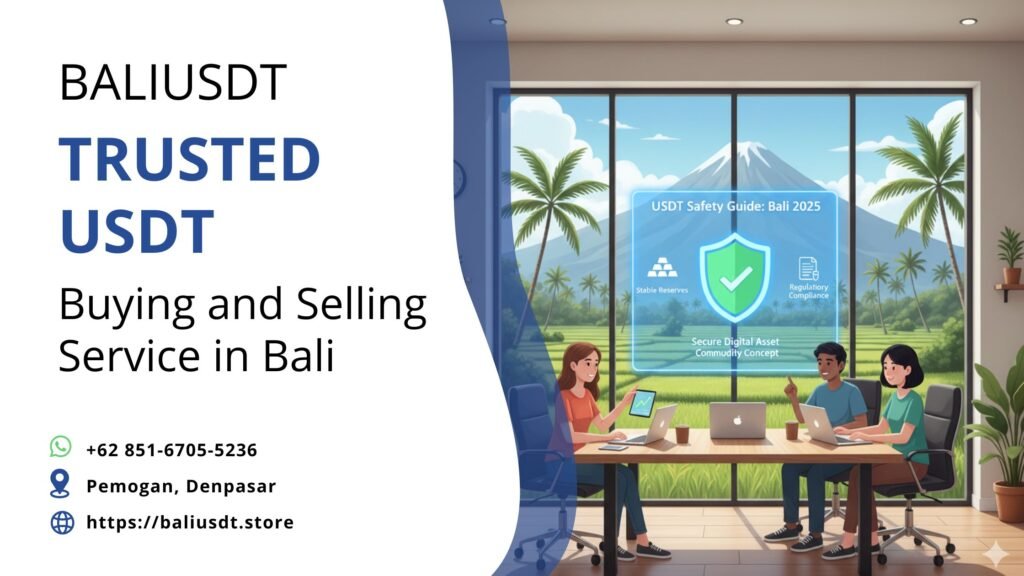
When discussing the possibility of a crash, the first place to look is the foundation: the reserves. Many travelers wonder, could USDT crash due to a lack of transparency? In recent years, Tether has significantly improved its reporting standards. As of late 2025, independent attestations show that Tether holds nearly $120 billion in U.S. Treasury bills. This shift toward highly liquid, traditional assets provides a much stronger buffer against “bank runs” than the opaque structures of the past.
For the international community in Bali, this means that the “digital dollar” you carry in your phone is backed by assets similar to those used by major global banks. While no financial instrument is entirely without risk, the high percentage of cash and cash equivalents in Tether’s portfolio suggests a high level of durability against sudden market panics.
Macroeconomic Factors: Could USDT Crash This Year?
The global economy in 2025 has faced its share of volatility. From trade tensions to shifts in U.S. monetary policy, the crypto market has seen significant deleveraging. You might ask, could USDT crash if the broader crypto market faces a deep winter? Historically, USDT has proven resilient even when Bitcoin and Ethereum experience double-digit drops.
In Indonesia, where the Rupiah (IDR) can fluctuate against the US Dollar, holding a stable asset like USDT is often seen as a hedge. However, systemic risks, such as a sudden change in U.S. regulations or a failure of a major banking partner, are the primary “black swan” events that experts monitor. For travelers, it is wise to diversify and not keep your entire life savings in a single digital asset, regardless of its historical stability.
Managing USDT Safely While Traveling in Bali
Living as a digital nomad requires a blend of digital savvy and local awareness. If you are worried and think could USDT crash while you are off the grid in the Gili Islands, you should focus on what you can control: your security.
- Use Trusted Wallets: Keep your main funds in hardware wallets rather than on exchanges.
- Stay Informed: Follow local news regarding Indonesian crypto regulations (Bappebti) to ensure your exchange of choice remains compliant.
- Liquidate Responsibly: When you need to fund your Balinese lifestyle, use professional services that understand the local legal framework.
If you are looking for a secure way to manage your assets locally, BaliUSDT.store provides a reliable point of reference for expats who need to navigate the Indonesian market with confidence.
Legal and Cultural Context: USDT in Indonesia
It is important to remember that in Indonesia, USDT is classified as a commodity, not a currency. Even if you are confident that the answer to could USDT crash is “unlikely,” you must still follow local payment laws. Using USDT to pay for your surf lessons or your morning Nasi Jinggo is a violation of Bank Indonesia’s rules.
The local culture in Bali is built on harmony and respect. By using the proper channels to convert your digital commodities into Rupiah, you respect the national economy and ensure your stay remains trouble-free. Most long-term expats maintain a healthy balance of IDR for daily needs while keeping their main capital in USDT for its global portability.
Expert Predictions and Market Resilience
Despite periodic “Fear, Uncertainty, and Doubt” (FUD), the stablecoin market has actually expanded in 2025. Institutional usage has increased, and stablecoins are now settling trillions of dollars in transactions annually—rivaling major payment networks like Visa. When people search could USDT crash, they are often looking for signs of institutional flight.
On the contrary, 2025 has shown that while speculative “memecoins” might collapse, functional assets like USDT are becoming more embedded in the global financial infrastructure. This “infrastructure-led utility” makes a total collapse much less likely than in the early, more speculative days of the crypto rush. For a digital nomad in Bali, this growing maturity offers a significant layer of psychological security.
Practical Steps If You Are Concerned About a Crash
If the question could USDT crash still keeps you up at night, there are practical steps to mitigate your risk.
- Diversify Your Stablecoins: Consider holding a mix of USDT and USDC to hedge against issuer-specific risks.
- Monitor the Peg: Use apps that alert you if USDT deviates significantly from $1.00.
- Keep Local Cash: Always have enough Rupiah in a local bank or as cash to cover at least one month of living expenses in Bali.
By being proactive, you ensure that even if the market becomes turbulent, your ability to enjoy the beaches of Uluwatu or the temples of Besakih remains unaffected.
Conclusion: Is Your USDT Safe in Bali?
To answer the lingering concern—could USDT crash—we must look at the evidence of 2025. With a record-high percentage of U.S. Treasury backing and increased regulatory clarity, USDT is more stable today than at any point in its history. While “never say never” applies to all investments, the systemic integration of Tether into the global economy suggests it will remain a staple for international travelers for years to come.
Stay vigilant, stay secure, and focus on the incredible experiences Bali has to offer. Your digital assets are tools to build your lifestyle, and with the right knowledge, they can be managed safely and effectively.
Secure Your Digital Assets in Bali
Navigating the complexities of digital commodities in a foreign country can be challenging. If you are looking for a safe, professional, and compliant way to handle your USDT while on the island, our team is ready to assist you.
Visit our office in Bali for secure USDT selling:
Pemogan, Denpasar
Check today’s USDT selling rate via WhatsApp to ensure you are getting the best value for your digital assets. We provide a transparent and efficient service tailored to the needs of the international community.
📲 WhatsApp us to sell your USDT safely: +62 851-6705-5236
USDT is processed as a commodity sale in Indonesia, not as a direct payment method.
Read also : Can You Send USDT on Polygon Network? A Guide for Bali Nomads