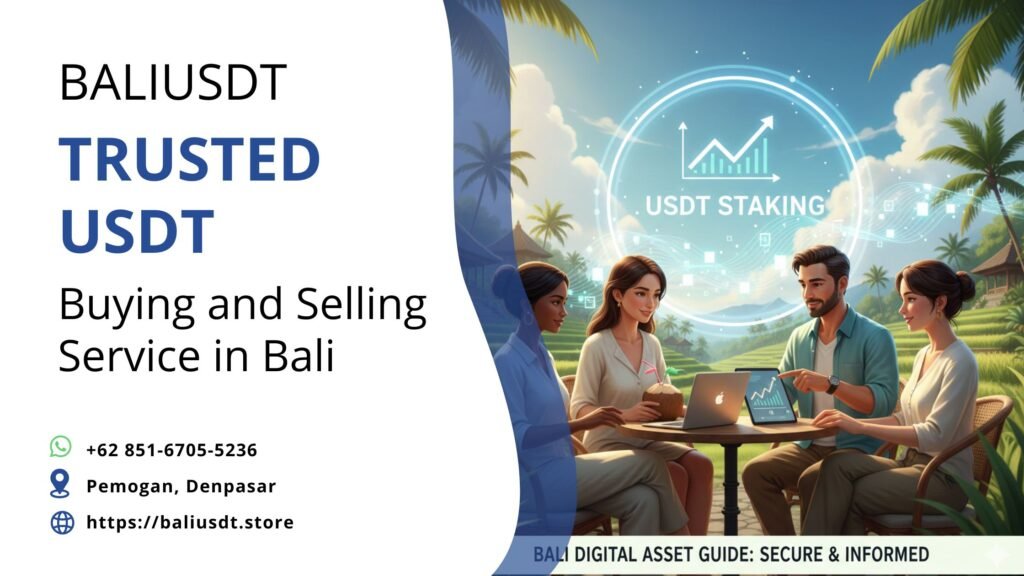
Many digital nomads arriving in Canggu or Ubud often wonder, is staking USDT safe as a way to generate passive income while living in Indonesia? As a traveler, managing your finances across different borders and currencies can be complex. USDT, a stablecoin pegged to the US Dollar, offers a sense of stability that is highly appealing when you are navigating the fluctuating Indonesian Rupiah. Staking your digital assets can turn your travel fund into a productive resource, but it also comes with specific risks and technical nuances. In this guide, we will explore the security landscape of stablecoin staking in 2025, specifically through the lens of an expat living on the Island of the Gods.
Understanding the Basics: What is USDT Staking?
To answer the question of whether is staking USDT safe, we must first define the process. Staking typically involves locking your digital assets in a protocol or on a centralized exchange to support network operations. In return for this “lock-up” period, you receive rewards, much like earning interest in a traditional savings account. For digital nomads in Bali, this is a popular strategy to counteract the high costs of international banking and the “hidden fees” of traditional currency exchange booths.
However, unlike a bank deposit, staking involves smart contract or platform risk. If you use a reputable centralized exchange like Binance or a decentralized protocol with a proven track record, the process is generally considered reliable. For many expats, the primary draw is the ability to earn a yield on a dollar-pegged asset while residing in a lower-cost-of-living destination. This allows your capital to grow in value even while you are exploring Bali’s stunning beaches or vibrant cultural sites.
The Legal and Regulatory Environment in Indonesia
For any foreigner, understanding local laws is crucial. You might ask, is staking USDT safe from a legal standpoint in Indonesia? As of 2025, the Indonesian government has transferred the supervision of digital assets from Bappebti to the Financial Services Authority (OJK). This transition has brought more institutional-grade oversight to the market. Legally, crypto assets are treated as commodities in Indonesia, which means you are allowed to hold and trade them, provided you follow the relevant tax and reporting guidelines.
While you can legally stake your assets on international platforms, it is important to remember that USDT is not legal tender for daily payments. You cannot pay for your morning Nasi Campur or your scooter rental directly with a crypto transfer. Instead, you hold your assets as an investment and liquidate them into Rupiah (IDR) when you need cash. This regulatory clarity actually makes the environment safer for travelers, as it provides a structured framework for digital asset ownership within the country.
Security Risks and How to Mitigate Them
No investment is entirely without risk. When evaluating is staking USDT safe, you must consider the potential for platform failure or smart contract vulnerabilities. To stay secure while traveling, never access your staking dashboard over public Wi-Fi in cafes without a secure VPN. Hackers often target high-traffic tourist areas to intercept sensitive financial data. Using two-factor authentication (2FA) is a non-negotiable step for any expat managing digital wealth.
Furthermore, diversification is key. Rather than putting all your travel savings into a single staking pool, consider spreading your assets across multiple reputable platforms. This “don’t put all your eggs in one basket” approach ensures that even if one platform faces a technical issue, your entire Bali budget isn’t compromised. By maintaining high digital hygiene and using hardware wallets for large amounts, you can significantly enhance the safety of your holdings.
Local Financial Tips for Expats
Bali’s financial ecosystem is unique. While the island is becoming a tech hub, many local transactions still rely on cash or local QRIS payment apps like OVO and GoPay. If you are staking, you need a plan for how to move your rewards into the local economy. For professional and secure liquidation of your assets, you can visit BaliUSDT.store to find resources tailored to the expat community. This local bridge ensures that your digital “safe haven” is always accessible for real-world needs.
Why Digital Nomads Choose Staking Over Banking
For many in the nomad community, the question is staking USDT safe is often compared to the safety of traditional banks. International transfers to Indonesia can be slow, expensive, and subject to “compliance holds” that can last days. Staking offers a more fluid way to manage wealth. Since the rewards are often paid daily or weekly, you have a constant stream of “travel fuel” that you can convert as needed.
Additionally, the transparency of blockchain allows you to see your rewards in real-time. In a world where traditional interest rates are often negligible, the yields from staking can help offset the inflation of travel costs, such as the rising prices of villas in popular areas like Pererenan or Uluwatu. This financial flexibility allows nomads to extend their stays and experience more of the deep Balinese culture, from temple ceremonies to local artisan workshops.
Best Practices for Liquidating Staked Rewards
Once you have earned your rewards, you will eventually need to spend them. When considering is staking USDT safe, you must also look at the “exit strategy.” Selling your USDT should be done through verified channels to avoid P2P scams. In the busy streets of Kuta or Legian, avoid “gray market” money changers who claim to accept crypto but offer suspicious rates. Stick to established platforms or professional local consultants who understand the Indonesian commodity tax framework.
- Always double-check destination wallet addresses.
- Be aware of the “Final Income Tax” (PPh) applied to crypto sales in Indonesia.
- Maintain a small “cash cushion” in IDR for rural areas where digital apps are less common.
- Only unlock your staked funds when you have a clear plan for their use.
By following these best practices, you reinforce the safety of your entire financial journey. The peace of mind that comes from a well-managed staking strategy allows you to focus on what really matters—enjoying the incredible sunsets and the warm hospitality of the Balinese people.
Cultural and Transportation Notes
Navigating Bali involves more than just money. Understanding the local culture is part of your “safety” routine. Always wear a helmet when riding a scooter, and be respectful during religious processions which can often close major roads. Just as you protect your digital assets by asking is staking USDT safe, protect your physical presence by being a conscious and respectful traveler. The island gives back what you put in, and a respectful expat will find Bali to be one of the most welcoming places on Earth.
Conclusion: A Smart Strategy for the Modern Traveler
In conclusion, the answer to is staking USDT safe is a qualified “yes,” provided you use reputable platforms and maintain strict digital security protocols. For expats and digital nomads, it represents a powerful tool for financial independence and wealth preservation. By understanding the local Indonesian regulations and having a clear path to liquidation, you can turn your digital assets into a reliable companion for your tropical adventures.
Bali is more than just a destination; it’s a lifestyle. With your finances secured and your passive income flowing from a safe staking strategy, you are free to explore every rice terrace, waterfall, and hidden beach the island has to offer. Stay safe, stay informed, and enjoy your journey in the land of a thousand temples.
📲 WhatsApp us to sell your USDT safely: +62 851-6705-5236
- Visit our office in Bali for secure USDT selling
- Location: Pemogan, Denpasar
USDT is processed as a commodity sale in Indonesia, not as a direct payment method.
Read also : Is Binance Delisting USDT? A 2025 Update for Bali Travelers