Does USDT fluctuate is a common question among digital nomads and travelers planning their 2026 stay in the vibrant landscapes of Bali. When you are managing finances across borders, stability is your best friend. Tether (USDT) is a stablecoin, which means it is designed to mirror the value of the US Dollar exactly. However, for those living in Bali, the concept of “fluctuation” takes on a different meaning once you start converting your assets into the Indonesian Rupiah (IDR).
The Mechanics of Tether: Why USDT Stays Steady
To understand the answer to the question, does USDT fluctuate, we must first look at how it works. Tether is pegged 1:1 to the US Dollar. This means that in the global digital asset market, 1 USDT is intended to always equal $1 USD. This stability is maintained by reserves of cash and cash equivalents held by Tether Limited.
For travelers, this is a massive advantage. Unlike Bitcoin or Ethereum, which can gain or lose 10% of their value while you are taking a surf lesson in Uluwatu, USDT remains constant. It acts as a digital version of the greenback, allowing you to store value without the fear of a sudden market crash affecting your travel budget.
Does USDT Fluctuate Against the Indonesian Rupiah?
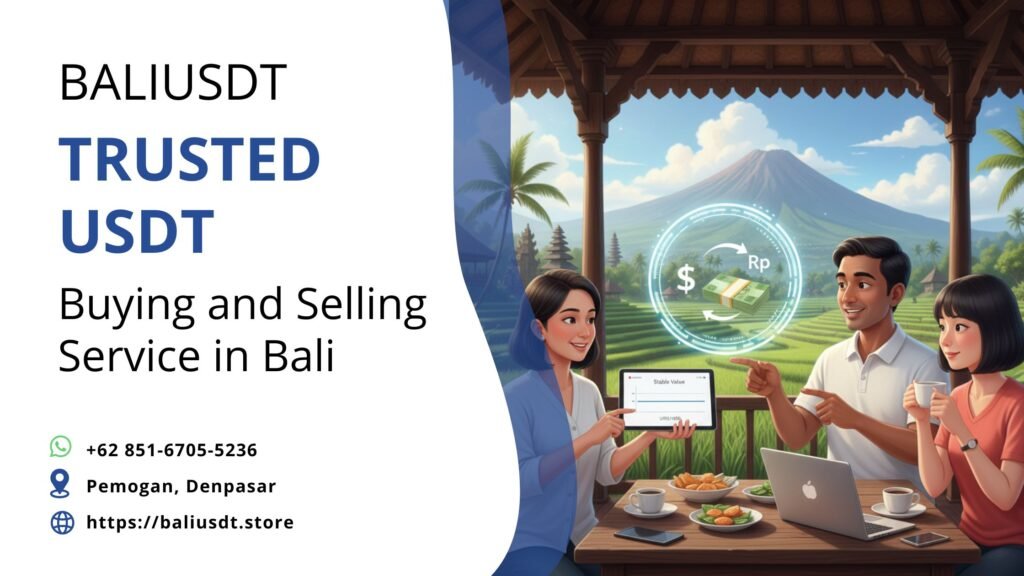
While the value of USDT is stable against the US Dollar, it is crucial to remember that the Indonesian Rupiah (IDR) moves independently. So, does USDT fluctuate when you are in Bali? Yes, but only because the IDR/USD exchange rate moves.
If the Rupiah weakens against the Dollar, your USDT actually becomes more valuable in local terms. Conversely, if the Rupiah strengthens, your USDT will buy fewer satays at the local warung. In 2026, the exchange rate has seen its fair share of shifts, making it important for expats to keep an eye on the daily rates. Your USDT itself isn’t changing; the “bridge” to the local currency is what moves.
Using USDT as a Digital Commodity in 2026 Bali
In Indonesia, digital assets like USDT are legally classified as commodities, not as a means of payment. This means you cannot walk into a luxury beach club in Seminyak and pay for your sunbed directly with a crypto wallet. Instead, you hold your USDT as a commodity that can be sold for Rupiah when you need liquidity.
Because the answer to does USDT fluctuate (against the dollar) is “minimal to none,” it serves as an excellent hedge for long-term residents. Many digital nomads choose to keep their savings in USDT to avoid the inflation risks sometimes associated with local currencies. When you need to pay for your monthly villa rental or a scooter lease, you simply sell a portion of your digital assets through a trusted local service.
Safety and Regulations for Foreigners in Indonesia
Navigating the legal landscape in Bali is essential for a stress-free trip. Since 2025, Indonesia has introduced clearer tax frameworks for digital assets. When you ask does USDT fluctuate, you should also consider the impact of local taxes. Currently, selling digital commodities on local platforms involves a small final income tax, which is typically handled by the service provider.
For international visitors, using a professional and safe exchange service is the best way to ensure compliance. You want a partner who understands that you are dealing with a commodity sale. To find out more about how to handle your assets legally and efficiently while on the island, you can visit BaliUSDT.store for expert guidance.
Local Tips for Managing Your USDT in Bali
Even though the question does USDT fluctuate results in a “no” regarding its peg, market demand in Bali can sometimes create slight price differences between local “Over-the-Counter” (OTC) desks. Here are a few tips for digital nomads:
- Check the IDR/USD rate: Always know the current mid-market rate before selling.
- Use Trusted Services: Avoid random peer-to-peer trades in cafes; stick to established offices in areas like Denpasar.
- Avoid Payment Direct: Never try to use USDT for direct purchases, as this violates Indonesian currency laws.
- Plan for Fees: While USDT is stable, blockchain gas fees (especially on Ethereum) can vary. Consider using the TRC20 (Tron) network for cheaper transfers.
The goal is to keep your travel funds safe and accessible. By holding a stable asset like USDT, you eliminate the biggest risk of digital assets—volatility—and can focus on enjoying the Balinese culture and scenery.
Conclusion
In summary, does USDT fluctuate in the way Bitcoin does? No. It is a reliable stablecoin that keeps your purchasing power consistent with the US Dollar. However, you must always account for the shifting exchange rate of the Indonesian Rupiah and the local laws governing commodity sales. By staying informed and using professional services, you can make USDT a powerful tool for your life in Bali.
Ready to convert your stable assets into Rupiah for your Bali adventures?
📲 WhatsApp us to sell your USDT safely: +62 851-6705-5236
- Get a fast quote for your USDT today
- Visit our office in Bali for secure USDT selling
- Location: Pemogan, Denpasar
USDT is processed as a commodity sale in Indonesia, not as a direct payment method.
Read also : Does Solana Support USDT? A Complete 2026 Bali Guide