What is USDT and USD is a question that many international travelers and digital nomads ask when preparing for a long-term stay in Indonesia. While everyone is familiar with the U.S. Dollar (USD) as a global reserve currency, USDT (Tether) has rapidly emerged as a digital equivalent that offers unique advantages in the world of web3 and remote work. In Bali, where the “crypto-nomad” culture is thriving, understanding the difference between these two assets is essential for managing your travel budget, avoiding high bank fees, and ensuring you always have enough Indonesian Rupiah (IDR) for your sunset Bintangs.
Understanding What is USDT and USD for Global Travelers
To navigate the financial landscape of Bali, you must first grasp the fundamental definitions of what is USDT and USD. USD is the traditional fiat currency issued by the United States government. It is physical, highly regulated, and accepted by banks worldwide. However, for a traveler in Bali, USD can be cumbersome. Carrying large amounts of cash is a safety risk, and traditional international bank transfers can take days to process while eating up 3% to 7% of your money in hidden fees.
In contrast, USDT is a “stablecoin.” It is a digital asset that exists on various blockchain networks, such as Ethereum or Tron, and its value is pegged 1:1 to the U.S. Dollar. This means 1 USDT is designed to always be worth approximately $1 USD. When you understand what is USDT and USD, you see that USDT provides the stability of the dollar with the speed and borderless nature of cryptocurrency. For an expat living in Canggu, receiving payments in USDT means bypassing the slow legacy banking system entirely.
Why Digital Nomads in Bali Prefer USDT Over USD
Bali has become a sanctuary for remote workers who value financial freedom. Many nomads choose USDT because it solves the “ATM headache.” ATMs in Bali often have withdrawal limits of around 2.5 million to 3 million IDR (roughly $150–$180 USD). If you rely solely on a foreign USD bank card, you may find yourself visiting an ATM multiple times a week, paying a fee for every single transaction.
By knowing what is USDT and USD, you can optimize your cash flow. Instead of keeping all your savings in a traditional USD account, many savvy travelers hold their “emergency fund” or monthly budget in USDT. This allows them to convert only the amount they need into local currency through specialized services. This strategy protects you from the volatility of the Indonesian Rupiah while ensuring your funds remain liquid and accessible from your smartphone.
Furthermore, the local infrastructure in areas like Ubud and Uluwatu is increasingly accommodating to digital assets. While you cannot legally pay for a smoothie bowl directly with crypto, the ease of converting USDT to IDR through local partners makes it far more convenient than finding a high-end money changer that accepts physical USD bills—which, in Indonesia, often need to be crisp, new, and unmarked to get a good rate.
Safety and Security: Managing Your Assets in Paradise
When discussing what is USDT and USD, safety is the most critical topic for any tourist. Physical USD is vulnerable to theft, loss, or damage from Bali’s humid tropical climate. Digital assets like USDT, however, are protected by encryption and private keys. Even if you lose your phone while exploring the monkey forest, your funds remain safe on the blockchain, provided you have backed up your recovery phrases.
However, digital safety requires its own set of rules. Always use a Virtual Private Network (VPN) when accessing your digital wallet at a public cafe. Scammers sometimes target travelers by offering “too good to be true” exchange rates for those who don’t fully understand what is USDT and USD. Stick to reputable platforms and avoid peer-to-peer (P2P) transactions with strangers you meet on social media groups.
For those looking for a reliable and secure way to handle their digital commodities, BaliUSDT.store offers a professional environment for travelers. Understanding what is USDT and USD also involves knowing where to go for help. Whether you are a first-time visitor or a seasoned expat, using a dedicated service ensures that your transaction complies with local norms and provides the security you need to enjoy your holiday without stress.
How to Convert USDT to IDR Legally in Indonesia
A common point of confusion regarding what is USDT and USD is their legal status in Indonesia. It is important to remember that the Indonesian Rupiah (IDR) is the only legal tender for payments within the country. You cannot use USD or USDT to pay for your scooter rental or your villa directly. Instead, you must treat USDT as a tradable commodity.
Once you have received your USDT, you can sell it to a local service provider who will then provide you with the equivalent value in IDR. This process is often much faster than waiting for a wire transfer from a USD account in the US or Europe. By mastering the basics of what is USDT and USD, you can move money across borders in minutes rather than days.
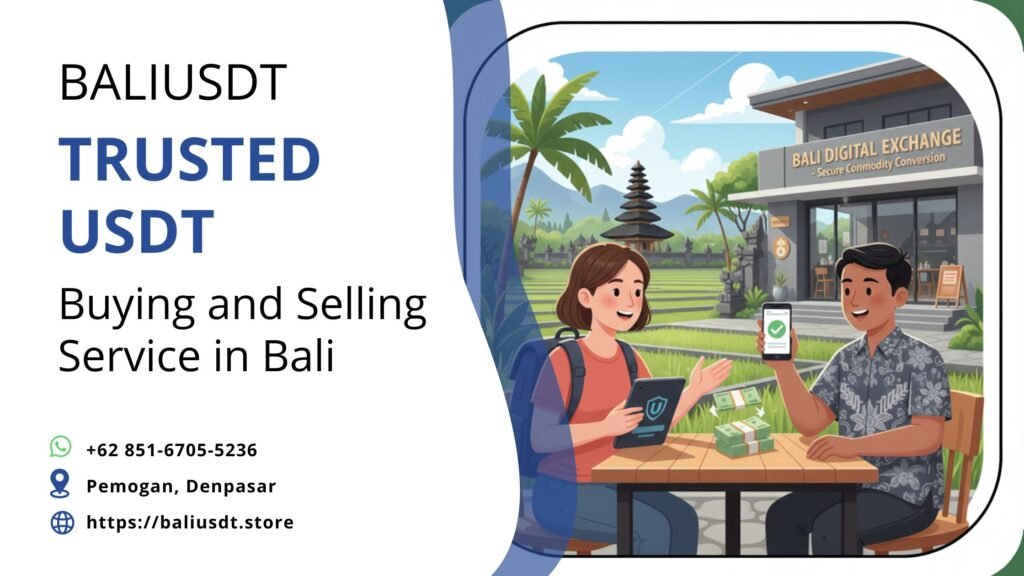
If you are staying in the southern part of the island, visiting a physical office can provide extra peace of mind. Many digital nomads prefer the face-to-face interaction of an office in Pemogan, Denpasar, to ensure their large transactions are handled correctly. This blend of modern technology and traditional service is what makes the Bali crypto scene so unique and accessible to foreigners.
Cultural Tips and Local Financial Etiquette
While you may be an expert on what is USDT and USD, navigating Bali’s local culture requires a different set of skills. Always carry some physical IDR for small transactions, such as “parkir” (parking fees) or buying fruit from a local vendor. While high-end beach clubs in Seminyak accept international credit cards, the heart of Bali still runs on cash and local bank transfers.
Respect is the “currency” that matters most in Bali. When you go to a service provider to sell your USDT, a friendly “Om Swastiastu” (a traditional Balinese greeting) goes a long way. The local people are incredibly welcoming to the digital nomad community, and being mindful of their customs—like not stepping on “Canang Sari” (offerings) on the sidewalk—will make your stay much more harmonious.
Understanding what is USDT and USD allows you to spend less time worrying about your bank balance and more time immersing yourself in the island’s beauty. From the sacred temples of Besakih to the world-class surf breaks, Bali is a place where tradition meets the future. By using the right financial tools, you can ensure that your journey is as smooth as possible.
Conclusion
In summary, the choice between what is USDT and USD depends on your specific needs as a traveler. USD remains a classic choice for some, but USDT offers the flexibility, speed, and lower costs that modern digital nomads demand. By leveraging the power of stablecoins, you can avoid the high fees of traditional banking and the risks of carrying physical cash.
Bali continues to evolve as a global hub for innovation. As long as you follow safety protocols and use trusted local services for your commodity sales, you can enjoy a seamless financial experience. Keep your assets secure, stay informed about the latest regulations, and most importantly, enjoy every moment of your Balinese adventure.
Need Help Cashing Out Your USDT?
If you have questions about managing your digital assets or need a safe way to sell your tokens for cash while in Bali, our professional team is here to support you. We provide a transparent and efficient service for expats and travelers alike.
📲 WhatsApp us to sell your USDT safely: +62 851-6705-5236
- Visit our office in Bali for secure USDT selling
- Check today’s USDT selling rate via WhatsApp
- Location: Pemogan, Denpasar
USDT is processed as a commodity sale in Indonesia, not as a direct payment method.
Read also : What is USDT and How Does It Work? A Bali Travel Guide