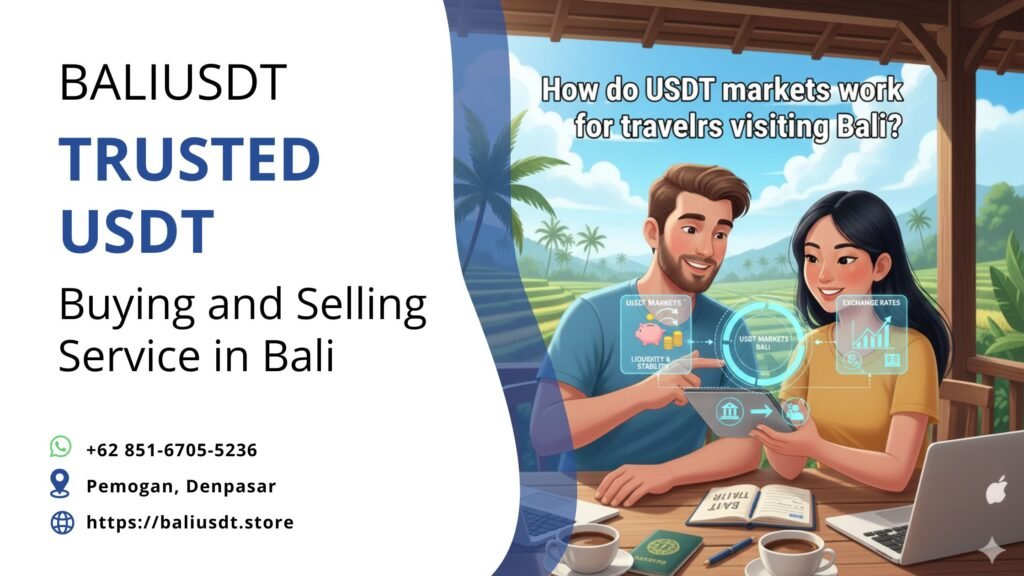
If you are planning a trip to the Island of the Gods in 2026, you might be asking yourself, how do usdt markets work in the context of international travel? Bali has become a global epicenter for digital nomads and tech-savvy tourists who rely on digital assets to manage their finances across borders. Tether (USDT) offers a unique solution for those who want to avoid the high fees of traditional banks or the volatility of local currencies. However, understanding the mechanics of these markets is essential for your security and convenience. This guide explores the intersection of global stablecoin liquidity and the local Balinese economy, ensuring you can navigate your vacation with financial confidence.
The Role of Stablecoins in the Modern Travel Economy
To understand the basics, we must first look at the underlying mechanics of stablecoins. Many travelers wonder how do usdt markets work when they see the token always maintaining a value close to one US Dollar. USDT is a fiat-collateralized asset, meaning for every token in circulation, a reserve of real-world assets like cash or treasury bills is held by the issuer. This creates a “peg” that provides stability, making it a reliable commodity for travelers who need to store value without the wild price swings of Bitcoin.
In Bali, this stability is a game-changer for expats. Imagine you are working remotely from a coworking space in Canggu. Instead of losing a significant percentage to international wire transfer fees or currency conversion spreads, you can hold your earnings in USDT. Because the market is incredibly liquid, you can convert your tokens into local Indonesian Rupiah (IDR) almost instantly whenever you need to pay for your villa or a sunset dinner in Jimbaran.
How do USDT Markets Work: Supply, Demand, and Liquidity
The secondary market is where most tourists will interact with these assets. If you are curious about how do usdt markets work on a daily basis, it all comes down to liquidity pools and exchanges. Global platforms and local OTC (Over-the-Counter) desks ensure there is always a buyer and a seller. When demand for USDT rises in a specific region, market makers move assets to ensure the price stays stable.
In Indonesia, digital assets are strictly regulated as commodities under the supervision of BAPPEBTI and OJK. This means that while you cannot use USDT to pay for a “Nasi Campur” at a local warung, you can legally trade it as an investment or a digital asset. The “market” in Bali consists of professional exchange services that bridge the gap between your digital wallet and your physical wallet. By understanding this flow, you can time your exchanges to get the most favorable rates for your travel budget.
Safety and Security: Protecting Your Assets in Bali
Safety is a top priority for any traveler. When people ask how do usdt markets work, they often want to know if their money is safe from hackers or scams. In Bali, the digital landscape is generally safe, but you must practice “digital hygiene.” Always use a hardware wallet for large amounts and a mobile wallet only for your immediate travel expenses. Avoid accessing your financial apps on public Wi-Fi in cafes without a reliable VPN.
Furthermore, ensure you are using reputable networks. The TRC20 (Tron) network is the most popular choice for travelers in Bali because it offers incredibly low transaction fees—often just $1—and settled in seconds. By choosing the right network, you ensure that your assets move efficiently. If you ever feel unsure about the technical side, visiting a professional office in the Pemogan or Denpasar area can provide a human touch to your digital transactions, making the process feel much more secure.
Converting Digital Commodities into Local Rupiah
Once you have mastered the concept of how do usdt markets work, the next practical step is getting local currency. In Indonesia, the law is very clear: the Indonesian Rupiah (IDR) is the only legal tender for payments. To stay compliant and safe, you should use a trusted exchange service like BaliUSDT.store. These services allow you to sell your USDT commodities and receive IDR directly into your Indonesian bank account or via a secure cash pickup.
This method is far superior to using “informal” P2P markets, which can sometimes lead to frozen bank accounts or scams. A professional service provides a clear paper trail and adheres to local AML (Anti-Money Laundering) regulations. Whether you need to pay for a long-term villa extension or a new surfboard, having a reliable way to exit the digital market into the local economy is the key to a stress-free nomad life in Bali.
Cultural Nuances and Local Financial Tips
Bali is an island of tradition, and your financial habits should reflect a respect for the local culture. When you visit an office to sell your USDT, a polite “Om Swastiastu” (the traditional Balinese greeting) goes a long way. While the backend of how do usdt markets work is purely digital and clinical, the front-end in Bali is built on community and trust.
- Transportation: Use ride-hailing apps like Gojek or Grab for the best rates, and fund your app wallet with IDR from your USDT sales.
- Small Change: Always keep small Rupiah notes for temple donations and parking fees.
- SIM Cards: Get a local Telkomsel SIM card for the best data coverage when managing your digital wallet on the go.
By merging your understanding of global digital markets with local Balinese customs, you create a harmonious travel experience. You benefit from the high-tech efficiency of stablecoins while enjoying the low-tech, soulful beauty of the island.
Conclusion
Understanding how do usdt markets work is no longer just for professional traders; it is a vital skill for the modern international traveler. By utilizing the stability of USDT, you can protect your wealth from inflation and high banking fees while enjoying the freedom of the nomad lifestyle. Bali provides the perfect backdrop for this new financial era, offering a welcoming community and a clear regulatory framework for digital commodities.
Remember to prioritize security, use the TRC20 network for efficiency, and always partner with reputable local exchange services. With your digital finances in order, you are free to focus on what really matters: the stunning landscapes, the rich spirituality, and the unforgettable adventures that only Bali can provide.
Ready to Sell Your USDT Safely in Bali?
If you have your digital assets ready and need local Rupiah to fund your Bali lifestyle, our team is here to provide a professional and secure exchange experience.
Check today’s USDT selling rate via WhatsApp
📲 WhatsApp us to sell your USDT safely: +62 851-6705-5236
Our Office Location:
Pemogan, Denpasar
USDT is processed as a commodity sale in Indonesia, not as a direct payment method.
Read also : How do I get a USDT TRC20 wallet address for Bali?