Modern travelers need financial flexibility without high bank fees. Understanding how to bridge USDT to Polygon is a vital skill for digital nomads and tourists. Whether you are renting a tropical villa or managing a holiday budget, Polygon offers a fast, low-cost alternative to the crowded Ethereum network. This guide walks you through the steps and provides essential local tips for your journey.
Why Should Tourists Bridge USDT to the Polygon Network?
Traditional banking is often slow and expensive when you cross borders. High ATM fees and poor exchange rates at airports can eat your budget. Many savvy travelers hold Tether (USDT) to avoid these issues. However, keeping USDT on the Ethereum network is costly because of high “gas fees.”
By learning how to bridge USDT to Polygon, you move your money to a “Layer 2” solution. Transaction fees on Polygon usually cost just a few cents. On Ethereum, you might pay several dollars for the same move. For a backpacker in Thailand or a digital nomad in Bali, these savings add up quickly. You will have more money for local food, tours, and experiences.
Step-by-Step: How to Bridge USDT to Polygon Safely
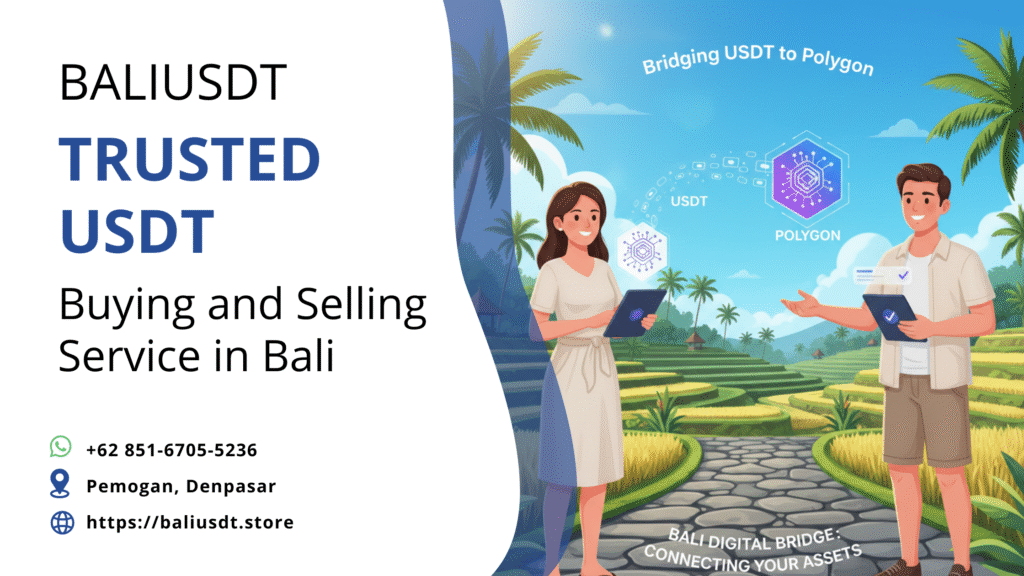
“Bridging” is the process of moving assets between blockchains. If you want to know how to bridge USDT to Polygon, follow these simple steps using the official Polygon Portal:
- Prepare Your Wallet: Ensure you have a Web3 wallet like MetaMask or Trust Wallet installed on your mobile device.
- Add the Polygon Network: Most wallets are set to Ethereum by default. You will need to add the Polygon Mainnet settings to see your bridged funds later.
- Connect to the Bridge: Visit the official Polygon Bridge website. Always double-check the URL to avoid phishing sites, especially when using public Wi-Fi in hotels or cafes.
- Select the Asset: Choose USDT as the token you wish to transfer and enter the amount.
- Approve and Confirm: You will first need to “approve” the bridge to access your USDT, then “confirm” the actual transfer.
Important Tip: You must have a small amount of Ethereum (ETH) in your wallet to pay for the initial bridging fee on the Ethereum side. Once your funds are on Polygon, you will need the native token, POL (formerly MATIC), to pay for any future transactions.
Navigating Local Regulations and Payments in Bali
While you now know how to bridge USDT to polygon, it is equally important to understand how to use your assets once you arrive at your destination. For instance, in Bali, Indonesia, the legal landscape for digital assets is very specific. While you can legally own and trade crypto as a commodity, it is strictly prohibited to use it as a direct payment method for goods and services.
This means you cannot walk into a warung (local cafe) in Ubud or a surf shop in Canggu and pay directly with USDT. To comply with local laws and ensure a smooth trip, you must convert your digital assets into Indonesian Rupiah (IDR). For tourists who need a secure and legal way to handle this conversion, visiting a specialist like BaliUSDT.store can save you from the risks associated with unauthorized street money changers.
Essential Security Tips for Crypto-Savvy Travelers
Safety is the number one priority for any foreigner. When researching how to bridge USDT to polygon, you might come across various third-party bridges. While some offer faster speeds, always stick to reputable, well-audited platforms to avoid losing your funds to smart contract vulnerabilities.
- Avoid Public Wi-Fi for Transactions: If you must bridge funds while out at a beach club or restaurant, use a reputable VPN or your mobile data.
- Hardware Wallets are Best: For significant travel budgets, consider using a hardware wallet like a Ledger or Trezor to keep your private keys offline.
- Keep Backup Phrases Secure: Never store your seed phrase on your phone or in your email. Keep a physical copy in a hotel safe or another secure location.
By following these protocols, you ensure that your technical knowledge of how to bridge USDT to polygon is matched by a robust security strategy, protecting your hard-earned travel funds from digital threats.
Comparing Official Bridges vs. Third-Party Solutions
As you delve deeper into how to bridge USDT to polygon, you will notice two main types of bridges: the PoS (Proof of Stake) Bridge and the ZkEVM Bridge. For most tourists, the PoS Bridge is the best choice because it supports a wide variety of tokens and offers relatively fast deposit times (usually around 20 minutes).
There are also “third-party” bridges like Across or Hop Protocol. These can sometimes be faster than the official bridge, which is helpful if you are in a rush to liquidate funds for a last-minute flight or a luxury villa booking. However, these services often have smaller liquidity pools. Always verify the current “slippage” and fees before confirming your transaction to ensure you are getting a fair rate for your USDT.
Converting Your Bridged USDT into Local Currency
Once you have mastered how to bridge USDT to polygon, you have successfully lowered your operational costs. The final step of the journey is turning that digital value into physical cash for your daily needs. In Bali, specifically in the Pemogan, Denpasar area, there are professional services designed to help tourists manage this transition legally.
Instead of navigating complex international bank transfers that can take days to clear, you can transfer your bridged USDT to a local provider and receive IDR. This is particularly useful for paying for local transportation like Gojek or Grab, which only accept IDR or local digital wallets. Having cash on hand is also essential for visiting traditional temples or buying handmade souvenirs where digital payments are not an option.
Conclusion
Learning how to bridge USDT to polygon provides a significant advantage for any international traveler. It combines the stability of the US Dollar with the efficiency of modern blockchain technology, allowing you to bypass the slow and expensive hurdles of traditional finance. By following the steps outlined in this guide, you can manage your travel budget with precision, ensuring you have more funds available for your adventures.
Remember to stay aware of local laws, prioritize your digital security, and always keep a small amount of native tokens for gas fees. With your USDT safely bridged to Polygon, you are ready to explore the world with financial peace of mind.
If you are currently in Indonesia and need assistance with your digital assets, our team provides professional guidance to ensure your transactions are handled securely.
📲WhatsApp us to sell your USDT safely: +62 851-6705-5236
Get guidance for selling USDT legally in Indonesia
Visit our office in Bali for secure USDT selling
USDT is processed as a commodity sale in Indonesia, not as a direct payment method.
Read also: How to Buy USDT on Binance P2P: 2026 Bali Tourist Guide