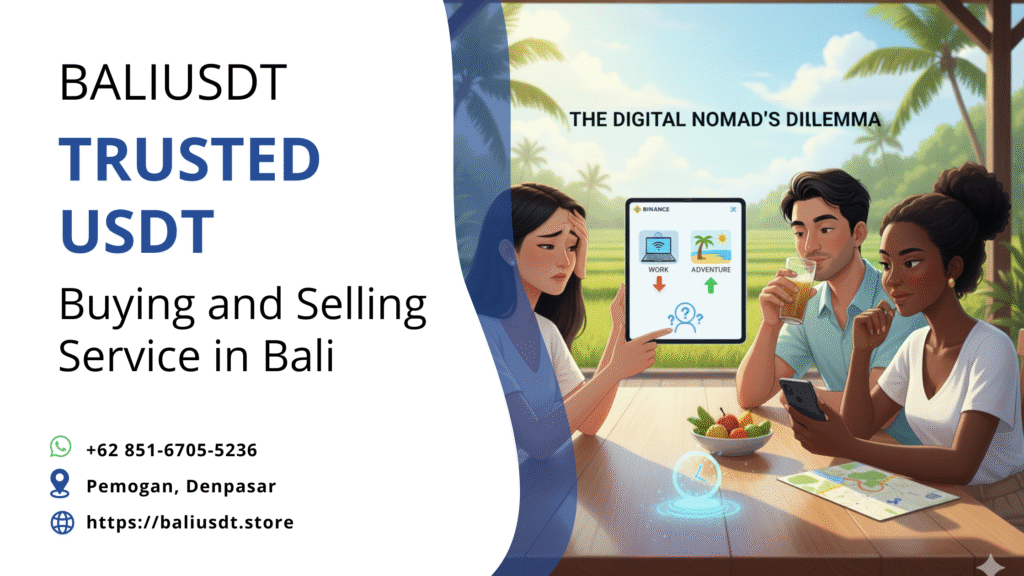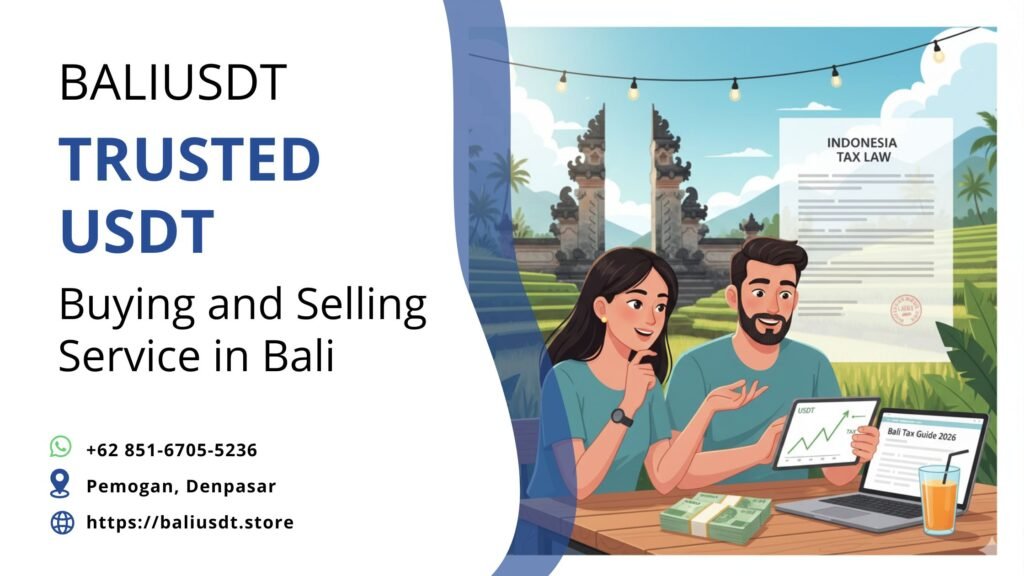
Do you have to pay taxes on USDT while enjoying the digital nomad lifestyle in Bali’s tropical paradise? For many international travelers and expats, the lure of the Island of the Gods is perfectly complemented by the freedom of decentralized finance. However, as the Indonesian government continues to modernize its digital economy, the tax landscape for crypto assets has become more structured. Whether you are a remote worker living in a villa in Canggu or a surfer spending a few months in Uluwatu, understanding your local tax obligations is essential for a stress-free stay.
Understanding the 2026 Crypto Tax Framework in Indonesia
The short answer to the question do you have to pay taxes on USDT in Indonesia is yes, but the method and rate depend heavily on how you trade. In 2025 and 2026, Indonesia introduced significant updates via Ministry of Finance Regulation (PMK) No. 50/2025. This regulation reclassified crypto assets like USDT as “digital financial assets” equivalent to securities. Consequently, the transfer of the assets themselves is now exempt from Value Added Tax (VAT), but they are strictly subject to Income Tax.
For most people, the tax is “final,” meaning it is settled at the moment of the transaction. If you use a domestic Indonesian exchange, the final income tax rate is typically 0.21% of the transaction value. However, if you are trading on foreign platforms that are not registered with the local authorities, that rate can jump to 1.0%. This distinction is vital for nomads who might still be using their home-country accounts while physically residing in Bali.
Tax Residency: The 183-Day Rule for Expats
A common follow-up to do you have to pay taxes on USDT is whether these rules apply to tourists. Indonesia follows the “183-day rule.” If you stay in the country for more than 183 days within a 12-month period, you are legally considered a domestic tax resident. In 2026, the tax office (DJP) has integrated its systems with Immigration data, making it very easy for the government to track your residency status based on your entry and exit stamps.
If you hit that 184th day, you are technically required to obtain a Tax Identification Number (NPWP) and report your global income, including crypto gains. For shorter-term tourists on a 30 or 60-day visa, you are generally not considered a tax resident. However, any transaction you make through local platforms will still have the final income tax withheld automatically at the source, regardless of your visa status.
How to Sell USDT Legally and Safely in Bali
When you wonder do you have to pay taxes on USDT, you are likely also thinking about the safest way to convert your digital assets into Indonesian Rupiah (IDR). Walking into a local cafe and trying to pay with crypto is not permitted, as the Rupiah is the only legal tender for payments. Instead, you must sell your USDT as a commodity through a reputable service.
Using a professional service like BaliUSDT.store ensures that your transaction follows the proper channels. While small, unofficial “money changers” on the street might offer crypto swaps, they often operate in a legal gray area and lack the security protocols necessary to protect your funds. By choosing a transparent provider, you ensure that you are selling your assets legally and receiving the correct market rate without hidden “tourist fees.”
Reporting USDT on Your Annual Tax Return
For those living long-term in Bali under a KITAS (stay permit), the question do you have to pay taxes on USDT extends to your annual tax filing. Even though the tax on individual trades is often “final” and withheld by the exchange, you are still required to list your crypto holdings in the “Assets” section of your annual tax return (SPT).
Failure to report these assets can lead to complications if you later decide to bring large sums of money into the local banking system to buy property or start a business. The Indonesian government is increasingly using the Crypto-Asset Reporting Framework (CARF) to exchange data with other countries. This means transparency is higher than ever, and staying compliant is the best way to ensure your long-term residency remains secure and hassle-free.
Local Tips for Managing Crypto Finances in Bali
Navigating the question of do you have to pay taxes on USDT becomes much easier when you follow a few local tips. Bali is a very crypto-friendly destination, but the rules are firm. Here is how to manage your assets efficiently:
- Use Local Exchanges for Lower Rates: Transactions on Indonesian-licensed platforms enjoy a lower tax rate (0.21%) compared to foreign ones (1%).
- Keep Your Receipts: Always keep digital or physical receipts of your USDT sales. This is helpful if you ever need to prove the source of funds to a local bank.
- Check Today’s Rates: Crypto prices and tax withholdings can fluctuate. Always check the current IDR conversion rate before heading out to sell your assets.
- Consult a Professional: If you are a high-net-worth nomad or an expat with complex holdings, it is worth speaking to a local tax consultant in Denpasar to ensure you are fully optimized.
Ultimately, the goal of the 2026 regulations is to provide legal certainty. While you might feel that having to ask do you have to pay taxes on USDT is a burden, the reality is that a regulated market protects you from scams and ensures that your digital wealth is recognized as a legitimate commodity.
Conclusion
Navigating the financial landscape of Bali as a foreigner requires a balance of enjoying the island’s beauty and respecting its administrative rules. So, do you have to pay taxes on USDT? Yes, Indonesia treats it as a taxable commodity, with rates typically ranging from 0.21% to 1% depending on the platform used. By staying informed about the 183-day residency rule and using reputable services for your currency needs, you can focus on what really matters: your Balinese adventure. Whether you are working from a beach club in Canggu or a quiet villa in Pemogan, staying compliant ensures your journey remains smooth and your assets stay secure.
📲 WhatsApp us to sell your USDT safely: +62 851-6705-5236
Get guidance for selling USDT legally in Indonesia
Office Location: Pemogan, Denpasar
USDT is processed as a commodity sale in Indonesia, not as a direct payment method.
Read also : Do People Use USDT or USDC Trad in Bali? A 2026 Guide