Do you know and have used USDT for payment while traveling through the vibrant streets of Seminyak or the lush rice terraces of Ubud? As a global hub for digital nomads and tech-savvy travelers, Bali has naturally become a hotspot for cryptocurrency enthusiasts. However, as we move through 2026, the intersection of digital assets and local law has become more sophisticated. For any international visitor, understanding the distinction between holding a digital commodity and making a legal purchase is the key to a smooth, worry-free holiday in Indonesia.
The Legal Landscape of Crypto in Bali for 2026
When people ask, “do you know and have used USDT for payment,” they are often looking for convenience. In Indonesia, the regulatory framework is very specific: the Indonesian Rupiah (IDR) is the only legal tender for all transactions within the country. While the government, via Bappebti, recognizes USDT as a tradable commodity, using it directly to buy a coffee, pay for a surf lesson, or settle a villa bill is technically prohibited.
This means that while you might find “crypto-friendly” circles in Canggu, businesses are legally required to process all final settlements in Rupiah. The 2026 guidelines have tightened oversight to ensure that the local economy remains stable. Therefore, if you are a nomad who earns in stablecoins, your best strategy is not to search for shops that take direct transfers, but rather to find a secure way to convert your assets into the local currency.
Why Travelers Choose USDT Over Traditional Cash
Many expats and long-term travelers prefer holding USDT because it protects them from the volatility of their home currencies or the fluctuating rates of the Rupiah. If you are one of those who can say, “do you know and have used USDT for payment in other countries,” you already appreciate the speed and low fees of the blockchain.
In Bali, carrying large amounts of physical cash can be risky. ATMs often have low withdrawal limits (typically 1.5 million to 3 million IDR), which can be frustrating when you need to pay for a month’s rent or a scooter lease. By keeping your wealth in USDT, you maintain a digital “buffer” that you can convert only when needed. This approach minimizes the risk of theft and ensures you aren’t carrying a bulky wallet through busy markets or beach clubs.
How to Safely Off-Ramp Your USDT in Bali
Since you cannot use digital assets for direct purchases, you need a reliable “off-ramp.” If you are a visitor wondering, “do you know and have used USDT for payment systems that are actually safe,” the answer lies in professional OTC (Over-the-Counter) services. Street-side money changers that claim to “swap crypto” can be unreliable and often lack the necessary licenses, putting your funds at risk.
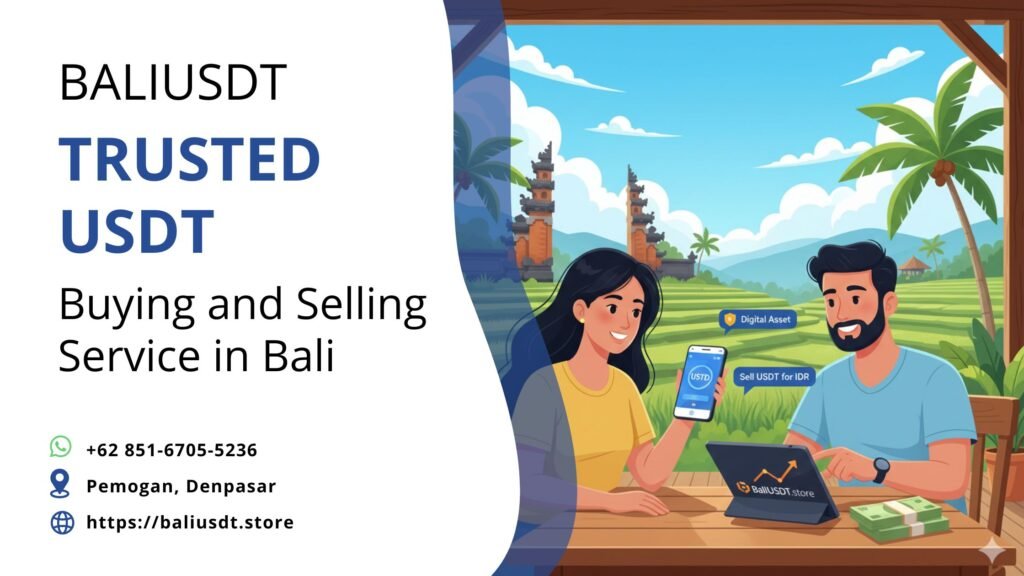
For a secure experience, it is highly recommended to use a specialized service like BaliUSDT.store. These platforms understand the local regulations and provide a transparent way to sell your USDT as a commodity in exchange for IDR. This ensures that you stay compliant with Indonesian law while getting the best possible market rate for your digital assets.
Navigating the 183-Day Rule and Local Taxes
For the digital nomad community, the question “do you know and have used USDT for payment” often leads to concerns about taxes. As of 2026, Indonesia has implemented clearer tax rules for crypto transactions. If you stay in Bali for more than 183 days, you are considered a tax resident.
Even for short-term tourists, selling crypto through local registered exchanges usually involves a small, final income tax (PPh) that is automatically deducted. This is actually a benefit for travelers, as it provides a “paper trail” showing that your funds were converted legally. This transparency is vital if you are ever asked by immigration or your home bank about the source of your local spending money.
Practical Tips for Your Bali Crypto Journey
If you are someone who can answer “do you know and have used USDT for payment” in your daily life, transitioning to Bali’s system requires just a few minor adjustments. Follow these tips to ensure your finances are as relaxing as the island itself:
- Stick to TRC-20: Most local traders and services prefer the Tron network (TRC-20) because the gas fees are significantly lower than the Ethereum network (ERC-20).
- Avoid “Under-the-Table” Deals: While it might be tempting to send USDT directly to a villa owner, it exposes both of you to legal risks. Always convert to IDR first.
- Use Reputable Services in Denpasar: Areas like Pemogan and Denpasar host professional offices where you can handle larger transactions in a secure environment.
- Keep Your Digital Wallet Private: Never share your private keys or seed phrases with anyone, even if they claim to be “helping” you with a local transaction.
By following these guidelines, you can enjoy the best of both worlds: the cutting-edge efficiency of stablecoins and the traditional charm of Balinese culture.
The Future of Digital Assets in Indonesia
The Indonesian government is currently developing “Project Garuda,” a central bank digital currency (CBDC). This shows that the country is embracing the future of finance. However, for now, the status of USDT remains as a commodity. When someone asks, “do you know and have used USDT for payment,” the most “pro” answer in 2026 is: “I use it as my primary store of value and convert it to Rupiah through a trusted local partner.”
This method gives you the maximum flexibility. You can hold your USDT while the market is favorable and only “cash out” what you need for your daily adventures, whether that’s a sunset dinner in Uluwatu or a trekking tour in Munduk.
Conclusion
In the ever-evolving world of 2026, being a “crypto traveler” in Bali is easier than ever, provided you respect the local rules. While the question “do you know and have used USDT for payment” highlights the growing global trend of digital finance, in Bali, the focus remains on the legal conversion of assets. By treating your USDT as a commodity to be sold for Rupiah, you protect yourself from legal complications and ensure your holiday remains a dream rather than a logistical nightmare. Stay safe, trade smart, and enjoy the incredible beauty of Bali.
📲 WhatsApp us to sell your USDT safely: +62 851-6705-5236
Visit our office in Bali for secure USDT selling
Office Location: Pemogan, Denpasar
USDT is processed as a commodity sale in Indonesia, not as a direct payment method.
Read also : Do You Have to Pay Taxes on USDT in Bali? 2026 Guide