What is cryptocurrency? This question is at the heart of the digital transformation currently sweeping through Bali, as the island cements its reputation as a global haven for digital nomads and tech-savvy expats. As of 2026, many visitors arriving at Ngurah Rai International Airport are no longer just carrying physical cash or credit cards; they are carrying digital assets. In a world where remote work is the norm, understanding the intersection of technology and finance is crucial for a smooth tropical stay. While you are likely here for the emerald rice terraces of Ubud or the world-class surf of Uluwatu, managing your liquidity effectively requires a clear grasp of how digital assets function within the specific legal and cultural landscape of Indonesia.
Defining the Digital Asset: What is Cryptocurrency?
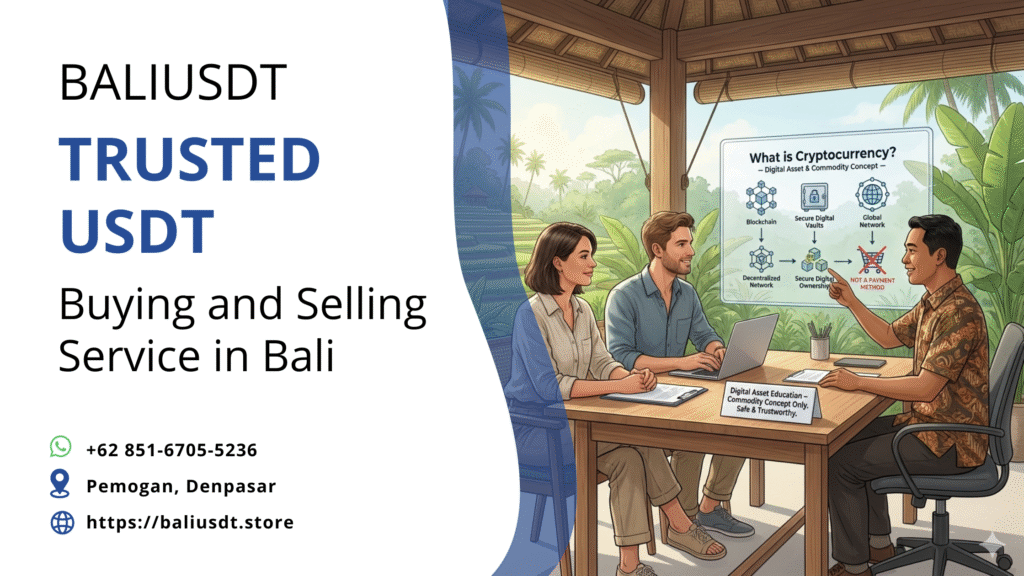
To truly answer what is cryptocurrency?, we must look beyond the hype and focus on the mechanics. Simply put, it is a form of digital or virtual currency that uses cryptography for security. Unlike the Indonesian Rupiah (IDR) or the US Dollar, most cryptocurrencies are decentralized, meaning they are not issued by a central authority like a national bank. Instead, they operate on a technology called blockchain—a distributed ledger that records every transaction across a vast network of computers.
For a traveler in Bali, the most practical expression of this technology is the stablecoin, specifically Tether (USDT). While assets like Bitcoin fluctuate in value, stablecoins are pegged to the US Dollar, providing a reliable way to store value while navigating the island. When you ask what is cryptocurrency? in the context of your travel budget, you are essentially asking about a borderless digital tool that allows you to move funds across the globe without the 3-to-5-day wait times or high fees typical of traditional international bank transfers.
The Legal Landscape in Indonesia (2026 Update)
If you are planning to use your digital assets in Bali, you must understand the “ground rules.” As of 2026, the Indonesian government, through the Financial Services Authority (OJK), has established clear regulations for the industry. So, what is cryptocurrency? in the eyes of Indonesian law? It is classified strictly as a commodity, not a legal tender. This is a critical distinction for every foreign tourist to remember.
While it is perfectly legal to buy, sell, and hold crypto assets in Indonesia, you cannot use them to pay for goods or services directly. If you try to pay for your villa in Canggu or a sunset dinner in Jimbaran using Bitcoin, you and the business owner could face “firm” action from authorities, including potential deportation or fines. The law mandates that only the Indonesian Rupiah is the valid currency for payments. Therefore, your digital assets serve as a “digital gold” that you must convert into Rupiah through licensed entities before you can spend them.
Safety and Security for Digital Nomads
Safety is the top concern for anyone carrying wealth in a digital format. When travelers ask what is cryptocurrency? regarding its safety, the answer depends largely on their “digital hygiene.” Bali is a safe destination, but the rise of the nomad community has made it a target for sophisticated cyber threats. Many coworking spaces in Berawa or Pererenan offer high-speed Wi-Fi, but public networks are often unsecured.
To keep your assets safe, follow these expert tips:
- Use a VPN: Always protect your connection when accessing wallets.
- Avoid Street Deals: Never exchange crypto with strangers in cafes; use professional desks.
- Cold Storage: Keep the bulk of your assets in a hardware wallet and only keep “spending” amounts on your phone.
- Internal Resources: To see how professional services provide a secure environment, you can visit BaliUSDT.store for insights on safe trading.
Understanding what is cryptocurrency? also means understanding that you are your own bank. If you lose your private keys or fall for a phishing scam while using a “free” Wi-Fi at a beach club, there is no central office to call to reverse the transaction.
Practicality: Converting Assets to Local Currency
Because you need Rupiah for daily life—from renting a Nmax scooter to buying fresh dragon fruit at a local market—the process of liquidation is part of the nomad experience. When people research what is cryptocurrency?, they often overlook the “off-ramp” process. In 2026, the tax landscape has been streamlined. Transactions on licensed local exchanges are subject to a final income tax (PPh), which is usually deducted automatically at a rate of around 0.21%.
For many expats, visiting a physical over-the-counter (OTC) desk is the preferred method for larger sums. It provides a level of human interaction and immediate verification that an online P2P platform cannot offer. If you are staying in the southern tourist belt, knowing where to find a reputable office is key to avoiding the high fees of airport money changers. Understanding what is cryptocurrency? in 2026 means being aware of these local tax obligations and choosing the most transparent path for your currency needs.
Navigating Bali: Where to Find Professional Assistance
If you are staying in Kuta, Legian, or Seminyak, you are perfectly positioned to manage your digital assets with professional support. While the question what is cryptocurrency? might feel technical, the actual process of selling it should feel as simple as walking into a bank. Physical offices in high-traffic areas provide a landmark of trust for the international community.
Our office is located at:
JL. KARTIKA PLAZA, KUTA, KEC. KUTA, KAB. BADUNG, BALI 80361
By choosing a professional setting, you ensure that you receive the correct market rate without the “slippage” or hidden markups common in peer-to-peer trades. For the traveler who has just landed, having a reliable destination for their financial needs allows them to quickly secure the Rupiah needed for transportation and accommodation, letting the real vacation begin.
Conclusion
In the end, the answer to what is cryptocurrency? is that it is a versatile financial tool that empowers the modern traveler. It offers a way to bypass the slow, expensive traditional banking system, provided you follow the local rules of the game. By treating your assets as a commodity and using professional exchange services, you can fund your Bali dreams safely and legally. Whether you are a first-time tourist or a seasoned expat, the key to a stress-free stay is preparation. Master your digital tools, respect the local laws, and enjoy the unparalleled beauty of the Island of the Gods.
If you are looking for a secure way to manage your digital assets or need to sell your USDT for Rupiah at today’s best rates, our team is ready to provide the professional assistance you need.
Get guidance for selling USDT legally in Indonesia
📲 WhatsApp us to sell your USDT safely: +62 851-6705-5236
Legal Note: USDT is processed as a commodity sale in Indonesia, not as a direct payment method.
Read More: What is the difference between USDT Omni Layer and ERC20?, How to Convert USDT to Rupiah on Remitano? A Bali Nomad Guide