What is Tether (USDT)? This is a question often heard in the trendy cafes of Canggu or the wellness retreats of Ubud as more travelers embrace digital finance. As of 2026, Bali has firmly established itself as a premier destination for digital nomads and remote workers who prioritize financial flexibility. Whether you are planning a month-long surf trip to Uluwatu or relocating as an expat to the serene hills of Sidemen, managing your money across borders is a top priority. Tether (USDT) has emerged as a favorite tool for the international community on the island. It offers a way to maintain the stability of the US Dollar while benefiting from the speed of blockchain technology.
The Essentials of Stablecoins: What is Tether (USDT)?
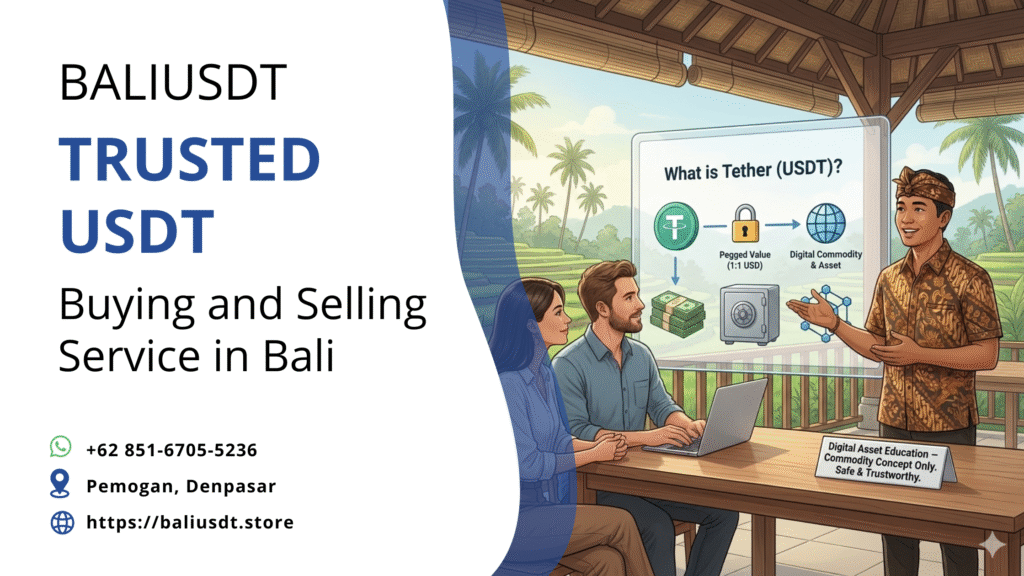
To truly understand the local landscape, we must first define the asset. What is Tether (USDT)? Essentially, it is a type of cryptocurrency known as a “stablecoin.” Unlike volatile assets like Bitcoin, which can swing wildly in price, USDT is pegged to the US Dollar at a 1:1 ratio. This means that for every USDT token in circulation, the issuer, Tether Limited, maintains a reserve of traditional currency or cash equivalents to back it.
For a traveler, this stability is a game-changer. It allows you to hold your funds in a digital wallet without worrying that your budget for next week’s villa rental will suddenly drop in value. Because it operates on major blockchains like Ethereum (ERC20) and Tron (TRC20), you can move your wealth globally in minutes. In the context of Bali’s growing “crypto-nomad” scene, What is Tether (USDT)? represents a digital version of the cash you would normally carry, but with added security and ease of transfer.
Legal Status and Regulations in Indonesia (2026 Update)
Before you land at Ngurah Rai International Airport, you must be aware of the local rules. In Indonesia, the legal framework for digital assets is very specific. So, What is Tether (USDT)? in the eyes of Indonesian law? It is officially classified as a commodity, not a currency. This distinction is vital: while you are legally allowed to own, trade, and invest in USDT, you cannot use it to pay for your morning smoothie bowl or a sunset cocktail at a beach club directly.
The Indonesian government, through the Financial Services Authority (OJK), mandates that only the Indonesian Rupiah (IDR) is valid for payments within the country. Attempting to use crypto as a direct payment method is illegal and can lead to significant penalties. However, because USDT is a legal commodity, you can easily exchange it for Rupiah through licensed local platforms or professional exchange desks. This compliant approach allows you to enjoy the island’s hospitality while staying within the boundaries of the law.
Why Digital Nomads in Bali Prefer USDT
The preference for stablecoins among Bali’s expat community is driven by practical needs. Traditional international bank transfers can be notoriously slow, often taking 3 to 5 business days to clear in Indonesia. Furthermore, high exchange fees and “hidden” markups at airport money changers can eat into your travel budget. When nomads ask What is Tether (USDT)?, they are often looking for a workaround to these traditional banking headaches.
Using USDT provides several advantages for the long-term visitor:
- Hedge Against Volatility: If you earn in a foreign currency, holding USDT protects you from the fluctuations of the local Rupiah.
- Lower Fees: Moving USDT between wallets usually costs a fraction of a standard wire transfer fee.
- Instant Liquidity: Once you have your USDT, you can visit a trusted exchange to get physical cash exactly when you need it.
- Internal Link: To learn more about how to manage these transactions safely, you can visit BaliUSDT.store for expert local guidance.
Understanding What is Tether (USDT)? allows you to spend more time exploring the hidden waterfalls of Munduk and less time waiting for bank wires to arrive.
Safety Tips for Using Digital Assets in the Tropics
While Bali is generally a safe and welcoming island, digital security is paramount. When considering What is Tether (USDT)? as your primary travel fund, you must practice “digital hygiene.” Public Wi-Fi in cafes and coworking spaces is convenient but can be a target for hackers. Always use a reputable VPN when accessing your wallet or exchange account.
Moreover, physical safety is just as important. Avoid discussing your crypto holdings in public or showing your wallet balance to strangers. In tourist-heavy areas like Kuta and Seminyak, it is best to use established, professional exchange offices rather than unverified “street” changers. These professional desks provide a secure, private environment where you can verify the transaction on the blockchain before the exchange is finalized. Knowing What is Tether (USDT)? also means knowing how to protect it from both digital and physical threats.
Where to Exchange USDT Safely in Bali
For those staying in the southern tourist hub, finding a reliable partner for your financial needs is easy. If you are still wondering What is Tether (USDT)? or how to turn it into cash for your daily expenses, visiting a physical office can provide much-needed clarity. Professional services in Bali cater specifically to the international community, offering competitive rates and legal compliance.
Our office is located at a prime spot in Kuta:
JL. KARTIKA PLAZA, KUTA, KEC. KUTA, KAB. BADUNG, BALI 80361
By choosing a professional setting, you ensure that you are receiving the most accurate market rate for your USDT. This transparency is essential for travelers who need to manage their budgets effectively. Whether you are paying for a long-term scooter rental or booking a boat to the Gili Islands, having a trusted source for your Rupiah makes the process seamless.
Conclusion
In summary, the answer to What is Tether (USDT)? is that it is a powerful financial bridge for the modern traveler. It combines the stability of the dollar with the efficiency of the blockchain, making it an ideal companion for a long-term stay in Bali. By respecting the local laws and treating your USDT as a commodity to be exchanged for Rupiah, you can navigate the island’s economy with confidence. From the spiritual heart of Ubud to the vibrant nightlife of Canggu, your digital assets can provide the freedom you need to experience the very best of Bali. Stay informed, stay secure, and let your journey be as smooth as the Balinese tides.
If you are looking for a secure way to sell your USDT or need professional assistance with your digital assets, our team is here to help you navigate the local market safely.
Get a fast quote for your USDT today
📲 WhatsApp us to sell your USDT safely: +62 851-6705-5236
Legal Note: USDT is processed as a commodity sale in Indonesia, not as a direct payment method.
Read More: What is Cryptocurrency? A 2026 Bali Guide for Travelers