For travelers, digital nomads, and expats navigating the financial landscape, especially in places like Bali, security and control over funds are paramount. The question, can I keep USDT on Ledger, is a foundational inquiry for anyone serious about digital asset safety. The definitive answer is yes, a Ledger hardware wallet is one of the safest ways to store your Tether (USDT). However, storing USDT securely isn’t as simple as just sending it to the device; you must understand the underlying blockchain networks. USDT exists on multiple blockchains, such as Ethereum (as an ERC-20 token), Tron (as a TRC-20 token), and others.
A Ledger device, like the Nano S Plus or Nano X, does not literally “hold” your crypto. Instead, it securely stores your private keys offline, isolated from the internet. When you manage your USDT through the Ledger Live application or a compatible third-party wallet, the Ledger ensures that all transactions must be physically verified and signed on the device itself. This “cold storage” approach is vastly superior to leaving funds on an exchange, reducing the risk of being hacked—a crucial consideration for anyone traveling with significant digital wealth.
The Ledger Security Standard: Why Cold Storage Matters
The choice of a cold wallet, such as a Ledger device, moves your assets from the high-risk environment of online exchanges and software wallets to an air-gapped, offline security model. This is the single most important step a foreigner can take to protect their wealth while managing funds across borders.
Understanding Private Key Protection
A Ledger device is built around a secure chip designed to resist physical and software attacks. This is where your Secret Recovery Phrase and private keys are stored.
- Offline Signing: When you want to send USDT, the transaction details are presented on the Ledger device’s screen. You physically confirm the transaction by pressing buttons on the device. The private key never leaves the secure chip, ensuring that even if your computer or phone is infected with malware, your funds remain safe.
- Full Control: By using a Ledger, you have complete ownership and control over your USDT. If you leave your assets on an exchange, you are subject to that exchange’s rules, bankruptcy risk, and potential security breaches. As a result, the first step in financial independence for any digital nomad is confirming can I keep USDT on Ledger and implementing that self-custody.
Furthermore, Ledger Live, the companion app, provides a user-friendly interface to view your balances, generate receiving addresses, and initiate transactions, all while the core security remains isolated on the hardware device.
Network Compatibility: The Key to Storing USDT
Since USDT is a token that operates on multiple different blockchains, knowing which network your USDT is on is essential. Sending USDT to the wrong network’s address is the most common and costly mistake in crypto.
USDT on Major Supported Networks
Ledger devices, paired with Ledger Live, fully support the most popular USDT variants:
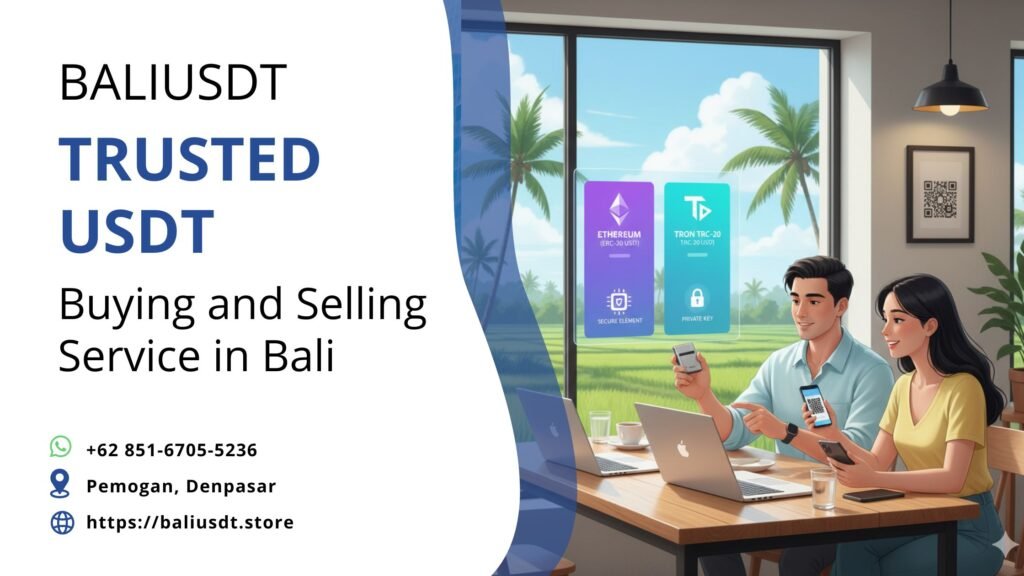
- Ethereum (ERC-20 USDT): This is the original and most widely used version. To store ERC-20 USDT, you must first install the Ethereum App on your Ledger device and create an Ethereum account in Ledger Live. The USDT will appear under this main ETH account.
- Tron (TRC-20 USDT): Known for its extremely low transaction fees and high speed, the TRON network is very popular among travelers looking to minimize costs. Similarly, you must install the Tron App on your Ledger and create a TRON account in Ledger Live to manage your TRC-20 USDT.
Consequently, the process of confirming can I keep USDT on Ledger becomes a question of network management. You must ensure that the address you generate on your Ledger Live app corresponds exactly to the network of the USDT you are sending. Always double-check the network selection when transferring funds from an exchange or a hot wallet.
Avoiding Network Mismatch Errors
Imagine you have TRC-20 USDT on an exchange but accidentally send it to an Ethereum address generated by your Ledger. The funds will be irretrievably lost because the Ethereum network will not recognize the TRC-20 token standard.
- Local Tip: When receiving USDT from a P2P service or a broker in Bali, always explicitly confirm which network they will use (ERC-20, TRC-20, or another). Then, ensure you generate the corresponding receiving address in your Ledger Live application. This small step prevents catastrophic errors and maintains the security of your funds.
Practical Steps: Setting Up Your Ledger for USDT
Once you have purchased and set up your Ledger device with your 24-word recovery phrase, configuring it for USDT storage is a straightforward process within the Ledger Live application.
The Ledger Live Process
- Install the Native App: Connect your Ledger device and open the Ledger Live app. Navigate to ‘Manager’ and install the Ethereum or Tron application onto the Ledger device, depending on the type of USDT you wish to receive.
- Add the Account: Go to the ‘Accounts’ section and click ‘+Add account’. Select the relevant native currency (e.g., Ethereum or Tron). Ledger Live will sync with the blockchain using your device to create the secure, corresponding account.
- Receive USDT: Once the account is created, click ‘Receive’, select the new account, and follow the on-screen instructions. The Ledger device will display the receiving address. Crucially, you must verify this address on your Ledger screen and not just on your computer screen to guard against malware.
It is important to remember that all USDT stored on your Ledger-secured address will require a small amount of the native token (ETH for ERC-20, TRX for TRC-20) to cover network fees (gas) when you eventually decide to move or sell the USDT.
Managing Your USDT in Bali: Security and Liquidation
For foreigners living in or traveling through Bali, the secure storage of USDT is often a precursor to converting it into Indonesian Rupiah (IDR) for local expenses. Using a Ledger offers peace of mind, but the final step—liquidation—requires local knowledge and caution.
Security and Transactions on the Go
Because a Ledger requires physical interaction to sign transactions, it makes it safer to manage funds even in public spaces. However, when initiating a transfer to an exchange or a local broker, always ensure:
- Private Connectivity: Avoid public Wi-Fi networks when using Ledger Live to connect your device. Use a secure private connection or mobile hotspot.
- Verify Addresses: Double-check every digit of the recipient’s address on the Ledger screen before confirming the transaction. Scammers often use clipboard malware to swap addresses silently.
Moreover, while Ledger makes the transfer secure, the Indonesian government mandates that USDT must be sold as a commodity for IDR. It cannot be used for direct payment. This is a critical distinction for compliance.
The Final Step: USDT to IDR Conversion
When you need to liquidate your secure USDT holdings for local spending, you need a trusted off-ramp. If you are wondering can I keep USDT on Ledger and then easily sell it in Bali, the answer is yes, but the method matters for safety.
- Avoid Risk: Sending large amounts of USDT to an unknown P2P contact carries inherent risk. You are transferring a digital asset without guaranteed receipt of the Rupiah.
- Choose Professional Off-Ramps: Use a professional, established local service that can securely handle the conversion of your Ledger-secured assets into Rupiah. They provide transparent rates and a secure transaction environment, such as a physical office.
For digital nomads requiring fast, secure, and compliant conversion of their USDT into local Rupiah, finding a reputable local partner is the best path to financial convenience in Bali. If you are looking to liquidate the USDT secured by your Ledger, visit a reliable service like BaliUSDT.store.
Conclusion: Ultimate Control Over Your Stablecoins
To summarize, the answer to can I keep USDT on Ledger is unequivocally yes, and it represents the gold standard for security and self-custody for expats and travelers. The critical takeaway is the necessity of managing USDT based on its underlying network (ERC-20, TRC-20, etc.) by installing the corresponding native app (Ethereum, Tron) on your Ledger and verifying all receiving addresses. This level of security gives you ultimate control over your funds, which is vital when moving through different regulatory zones like Indonesia. By combining the offline security of your Ledger with a trusted, compliant local off-ramp service, you ensure both the security of your stablecoins and the safety of your conversion to Indonesian Rupiah.
📲 WhatsApp us to sell your USDT safely: +62 851-6705-5236
Get a fast quote for your USDT today
Visit our office in Bali for secure USDT selling in Pemogan, Denpasar.
USDT is processed as a commodity sale in Indonesia, not as a direct payment method.
Read also : Can I Send USDT from Phantom to MetaMask? The Cross-Chain Traveler’s Guide