For digital nomads, travelers, and expats managing decentralized finance (DeFi) while enjoying life in Bali, knowing how to efficiently manage your stablecoin holdings is essential. A common and crucial question in the DeFi space is, can I swap USDT on Uniswap? The answer is a definitive yes, but understanding the nuances of how the swap is executed, the costs involved, and the specific network you are using is vital for success. Uniswap, as the world’s leading Decentralized Exchange (DEX), relies on liquidity pools to facilitate token swaps without an intermediary, offering unparalleled self-custody and global access—perfect for an international audience.
However, the ease of swapping USDT for another token (like Ethereum, USDC, or even a different USDT variant) comes with a critical technical and financial consideration: network fees (gas). Since Uniswap originated on and still largely operates on the Ethereum network, these fees can sometimes be substantial, potentially eroding the value of a small swap. Fortunately, Uniswap has expanded its reach to many Layer 2 (L2) networks, offering much cheaper alternatives. This guide will walk you through the secure and efficient process of using Uniswap, tailored for the unique circumstances of a traveler managing funds abroad.
Uniswap Fundamentals: Understanding Decentralized Swaps
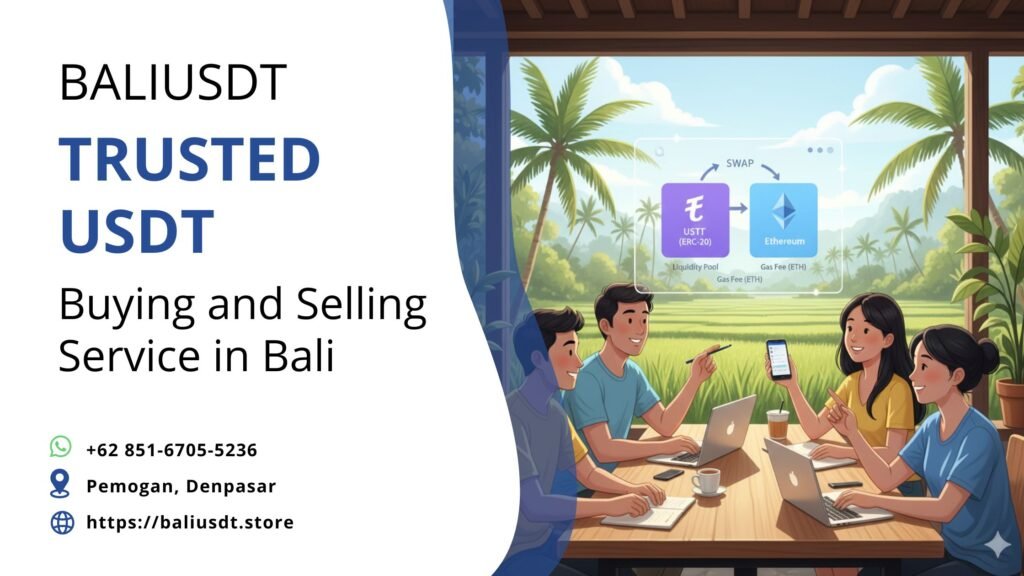
Uniswap is an Automated Market Maker (AMM), which is a protocol built on a blockchain that allows tokens to be swapped automatically using liquidity pools rather than a traditional order book of buyers and sellers. This model underpins the entire answer to can I swap USDT on Uniswap.
How USDT Swaps Work
When you swap USDT for another token (e.g., ETH) on Uniswap, you are interacting with a smart contract called a liquidity pool.
- Liquidity Pools: The swap occurs within a pool that holds both USDT and the target token (e.g., the USDT/ETH pool).
- Impermanent Loss and Fees: Liquidity providers (LPs) supply these tokens and are compensated with a percentage of the trading fees (typically 0.3% per trade on Uniswap V2, with variable fees on V3).
- Self-Custody: You connect your Web3 wallet (like MetaMask or Trust Wallet) directly to the Uniswap interface. Your funds never leave your control until the transaction is executed and confirmed on the blockchain. This non-custodial approach is a major benefit for travelers concerned about the security of centralized exchanges.
The Role of ERC-20 Tokens
As Uniswap was built on Ethereum, the most common form of USDT used here is the ERC-20 standard. Consequently, if your USDT is on a different chain, such as TRC-20 (Tron) or SPL (Solana), you will first need to bridge it to an Ethereum-compatible network before you can I swap USDT on Uniswap on the primary chain. This bridging step adds complexity and cost, which is why choosing a supported Layer 2 network is often a wiser decision.
Navigating Network Fees: Ethereum vs. Layer 2 Solutions
The biggest financial obstacle to using Uniswap is the high gas fee on the Ethereum mainnet. For expats managing frequent transactions, paying $10-$50 per swap is unsustainable.
The Cost Barrier of Ethereum Mainnet
If you are swapping USDT on the Ethereum mainnet, you are paying fees in ETH. The fee varies wildly based on network congestion, making budget planning difficult while traveling. Furthermore, the swap transaction requires two approvals in your wallet:
- Token Approval: The first time you swap a token (like USDT) on Uniswap, you must approve the DEX smart contract to spend that token from your wallet. This costs one gas fee.
- Swap Confirmation: The second step is the actual swap transaction, which costs a second, usually larger, gas fee.
These cumulative costs mean that for any small-to-medium swap, much of your transaction value can be consumed by network fees.
The L2 Solution: Polygon, Arbitrum, Optimism
Fortunately, Uniswap has expanded its protocol to several Ethereum Layer 2 scaling solutions, which offer vast fee reductions. These networks are fully supported by Uniswap and operate using the same wallet (MetaMask) and address format.
- Polygon (Matic): Highly popular for low fees, transactions cost only pennies, paid in the MATIC token.
- Arbitrum and Optimism: These rollups also drastically reduce gas costs compared to the Ethereum mainnet.
For an expat in Bali, the key strategic takeaway is to first move your USDT to a supported L2 network (often via a Centralized Exchange’s low-cost withdrawal option or a dedicated bridge) and then proceed with the question, can I swap USDT on Uniswap on that L2 network. This strategy drastically reduces your transaction costs and improves overall financial efficiency.
Step-by-Step Swapping: The Uniswap Process
Assuming you have already connected your Web3 wallet (like MetaMask) and funded it with the necessary assets (the USDT to swap and the native token for gas fees, e.g., ETH for Ethereum, MATIC for Polygon), the swap process is smooth.
1. Connecting and Selecting the Network
- Connect Wallet: Go to the official Uniswap application and connect your wallet.
- Switch Network: Crucially, if you are using an L2, ensure you manually switch the network in your wallet (e.g., from Ethereum Mainnet to Polygon Mainnet) within the Uniswap interface.
- Select Tokens: Choose USDT as the “From” token and the desired asset (e.g., ETH, USDC, or another altcoin) as the “To” token.
2. Executing the Swap
- Enter Amount: Input the amount of USDT you wish to swap. The interface will instantly calculate the amount of the receiving token, factoring in the exchange rate, liquidity provider fees (e.g., 0.3%), and any Uniswap Labs interface fee (which is often waived for stablecoin-to-stablecoin swaps).
- Approve Token (First Time): If this is your first time swapping USDT on this specific network, you must click the “Approve USDT” button and confirm the gas-consuming transaction in your wallet.
- Confirm Swap: Once approved, click “Swap” and confirm the final transaction in your wallet. The network fee (gas) will be clearly displayed. After confirmation, the transaction will be processed by the blockchain.
This entire process provides a direct answer to can I swap USDT on Uniswap—it is fast, secure, but always requires the correct native token to cover gas.
Local Insight: Uniswap Swaps vs. Local Liquidation
While Uniswap is a powerful tool for crypto management, it’s essential to contrast its utility with the eventual need to convert digital assets to Indonesian Rupiah (IDR) for life in Bali.
The DeFi Limitation in Indonesia
Indonesia’s strict financial regulations classify crypto as a commodity, making its use as a currency illegal. Therefore, even if you successfully swap your USDT for ETH on Uniswap, you still cannot use that ETH to pay for a visa extension or rent.
- The IDR Requirement: All local transactions must be settled in IDR.
- The Tax Requirement: Selling crypto for IDR through local, regulated channels ensures compliance with Indonesian tax laws concerning digital commodities.
Therefore, for the purpose of covering local expenses, the most efficient route often bypasses the need to can I swap USDT on Uniswap for other volatile assets and focuses instead on a direct, secure, and compliant USDT-to-IDR conversion. Trying to liquidate ETH (obtained via a Uniswap swap) in Indonesia often adds an unnecessary layer of complexity compared to selling USDT directly.
Conclusion: Strategic Swapping for Financial Freedom
In conclusion, can I swap USDT on Uniswap? Yes, Uniswap is the premier platform for converting your USDT into other tokens on Ethereum and its supported Layer 2 networks. For international travelers and digital nomads, utilizing Uniswap on a low-cost L2 network (like Polygon) is the most budget-friendly way to manage decentralized assets. However, always remember the two crucial steps: correctly manage your network selection to avoid losing funds, and always ensure you have the native coin (ETH, MATIC, etc.) to cover the transaction gas fees. While Uniswap offers powerful trading capabilities, when your goal is to spend money locally in Bali, the ultimate focus must shift to safely and compliantly converting your stablecoins to Indonesian Rupiah.
📲 WhatsApp us to sell your USDT safely: +62 851-6705-5236
Get guidance for selling USDT legally in Indonesia
Visit our office in Bali for secure USDT selling in Pemogan, Denpasar.
USDT is processed as a commodity sale in Indonesia, not as a direct payment method.
Read also : Can I Send USDT to Binance Smart Chain? The Low-Cost Travel Route