Introduction
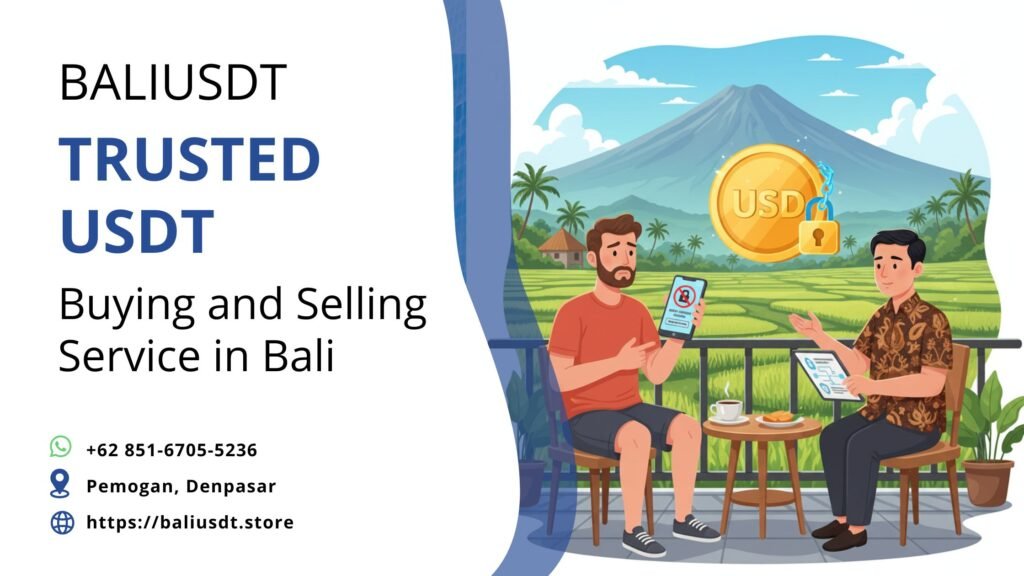
A primary concern for any digital nomad, expat, or traveler relying on stablecoins for their financial freedom is security. Specifically, many readers ask: Can USDT be frozen? The answer is an unambiguous yes, but understanding how, why, and by whom is crucial for mitigating this risk while managing your assets in destinations like Bali. Unlike truly decentralized cryptocurrencies like Bitcoin, Tether (USDT) is a centralized stablecoin, meaning the issuer, Tether Limited, possesses unique administrative control built into the token’s smart contract code on various blockchains, including Ethereum (ERC-20) and Tron (TRC-20). This centralized power allows them to effectively ‘blacklist’ certain wallet addresses, rendering the USDT tokens held there non-transferable and, consequently, frozen.
1. The Centralized Control of USDT
To grasp the mechanics of asset freezing, one must first recognize the fundamental difference between decentralized and centralized digital assets. USDT’s nature as a stablecoin requires a central authority to maintain its $1 peg and manage issuance, which inherently grants control.
Tether’s Smart Contract Power
Tether Limited builds specific functionalities into the USDT smart contracts across all supported networks. These functionalities include:
- Blacklisting: This function allows Tether to add a specific public wallet address to a “blacklist.” Once an address is blacklisted, the smart contract will refuse to execute any outgoing transactions from that wallet. The tokens remain technically “on-chain” at that address, but they cannot be moved or used by the wallet owner.
- Issuance and Burning: The ability to mint (issue) and destroy (burn) tokens is necessary for managing the supply and maintaining the peg. Furthermore, in cases of legal seizure, Tether may ‘burn’ the frozen tokens and ‘reissue’ an equivalent amount to a government-controlled wallet, demonstrating their absolute control.
Therefore, the tokens themselves are programmable, providing a definitive answer to the question: Can USDT be frozen? This centralization is a necessary feature for regulatory compliance but represents a significant counterparty risk for the token holder.
2. Why and When USDT Can Be Frozen
Tether does not freeze assets arbitrarily. Their stated policy is to cooperate with official, legitimate requests from law enforcement agencies and governmental bodies with jurisdiction over their operations.
Law Enforcement and Regulatory Compliance
The primary driver behind the freezing of USDT is compliance with global Anti-Money Laundering (AML), Counter-Terrorism Financing (CTF), and international sanctions regimes (such as those from the US Office of Foreign Assets Control, OFAC).
- Illicit Activity: If an address is definitively linked to criminal activities—such as scams, hacks, fraud, or money laundering—global law enforcement agencies (e.g., the US DEA, FBI, or international counterparts) will secure court orders and submit formal requests to Tether. Tether then executes the freeze on the blockchain.
- Sanctions: Addresses belonging to individuals or entities on sanctions lists are quickly blacklisted to ensure Tether remains compliant with international financial law.
As a result, while USDT offers convenience, users must understand the associated risks. The vast majority of frozen funds are indeed linked to illicit activities. However, accidental involvement, such as receiving funds from a compromised third-party wallet, can place a legitimate user’s assets at risk. This is a critical point for any traveler to consider when determining can USDT be frozen and how to protect their wealth.
3. Protecting Your Assets: Self-Custody vs. Exchanges
For travelers, expats, and digital nomads, the way you store your USDT is the single most important factor in mitigating the risk of your funds being frozen or seized.
The Dangers of Custodial Wallets
If your USDT is held on a centralized cryptocurrency exchange (like Binance, KuCoin, or a local Indonesian exchange), the risk increases.
- Exchange Freezes: The exchange itself can freeze your entire account, including all assets, due to internal compliance flags (like large, sudden transfers) or regulatory requests from local authorities (even in Indonesia). Even if Tether hasn’t blacklisted the wallet, the exchange can deny you access.
- KYC and Geopolitical Risk: Your access depends on the exchange’s compliance with the laws of its operating jurisdiction, which can be complex and restrictive for foreign passport holders.
The Safety of Self-Custody (Non-Custodial Wallets)
The best defense against third-party interference is holding the private keys yourself—in a non-custodial software wallet (like Trust Wallet or MetaMask) or, ideally, a hardware wallet (like Ledger or Trezor).
- Tether’s Limit: While Tether can USDT be frozen on the blockchain level by blacklisting the address, they cannot access the private keys to drain the wallet. However, the tokens in that specific blacklisted address become unusable.
- Your Control: A self-custody wallet removes the risk of an exchange freezing your account. This puts the control directly in your hands and forces any freeze attempt to go through the lengthy, public Tether blacklisting process, which typically only targets addresses linked to major crimes.
Consequently, always maintain self-custody of your USDT while traveling, transferring it only to a reputable, licensed vendor when you are ready to sell the commodity for Indonesian Rupiah.
4. Financial Due Diligence in the Balinese Context
When dealing with USDT in Bali, where the asset must be converted into IDR for legal spending, your security strategy needs to encompass local practices.
Choosing Compliant Local Vendors
When you need to sell your USDT for local IDR cash or a bank transfer, dealing with a trusted, compliant local Over-The-Counter (OTC) service is essential.
- Source of Funds (SoF): Reputable Indonesian vendors adhere to strict AML procedures. They will conduct KYC (Know-Your-Customer) and often ask about the Source of Funds (SoF) for large transactions. This due diligence protects them—and you—from inadvertently receiving blacklisted USDT.
- Chain Verification: A professional vendor will check the blockchain history of the incoming USDT address before finalizing the IDR payment. This ensures the funds are “clean” and not flagged, reducing the chance that the address you are sending from will be put on a blacklist in the future.
For secure, verified, and compliant USDT commodity sales in Bali, look for established services like the one found at BaliUSDT.store. Working with a transparent provider minimizes the risk of dealing with illicit funds and answers the practical question of can USDT be frozen due to a transactional partner’s negligence.
5. Mitigation Strategies for Digital Nomads
For long-term expats, diversifying your stablecoin holdings and maintaining impeccable records offers the best layers of defense.
Diversification and Record Keeping
- Stablecoin Alternatives: While USDT is dominant, consider diversifying a portion of your stablecoin holdings into USDC, which is also centralized but managed by a different entity (Circle) with potentially different regulatory priorities. However, understand that USDC also has smart contract functions that allow for freezing.
- Record Your Transactions: Maintain thorough records of all significant USDT transactions, particularly those entering your wallet. Keep proof of identity and origin of funds. If your address is ever blacklisted, clear documentation demonstrating the legitimacy of your assets is the key to engaging legal counsel to have the freeze overturned.
- Small, Necessary Transfers: When converting USDT into IDR for local cash needs, only send the necessary amount to the vendor’s address. Avoid keeping large sums in hot wallets, especially when actively traveling across different jurisdictions.
Understanding that can USDT be frozen is a reality allows you to treat your digital assets with the same diligence as a traditional bank account, providing peace of mind as you enjoy your time in Bali.
Conclusion
Yes, can USDT be frozen, and it has been done successfully by Tether in cooperation with global law enforcement agencies to combat financial crime. However, for the average digital nomad or expat operating legitimately, the risk remains low but manageable. By practicing strict self-custody of your private keys, maintaining clean digital hygiene, and only transacting with reputable, compliant local commodity vendors for your USDT-to-IDR conversion needs, you can effectively safeguard your financial assets and ensure a smooth, worry-free lifestyle in Bali.
Call to Action
Get guidance for selling USDT legally in Indonesia
Pemogan, Denpasar
📲 WhatsApp us to sell your USDT safely: +62 851-6705-5236
Legal Note
USDT is processed as a commodity sale in Indonesia, not as a direct payment method.