Choosing the right digital asset for your international travels can be the difference between a seamless holiday and a logistical headache. For many globetrotters heading to Indonesia, Tether (USDT) has become the preferred “digital cash” due to its stability. However, a frequent source of confusion for newcomers is the underlying technology. You might find yourself asking, what blockchain is usdt on, especially when trying to transfer funds to a local service in Bali.
Unlike Bitcoin, which has its own dedicated network, USDT is a “parasitic” token that exists on multiple different blockchains simultaneously. This means that “USDT” isn’t just one thing; it is a digital dollar that can travel across various “highways.” Understanding which highway you are using is critical for transaction speed, cost, and ensuring your funds actually reach their destination. This guide will walk you through the most popular networks and provide essential tips for using them safely while enjoying the Island of the Gods.
Multi-Chain Versatility: What Blockchain Is USDT On Today?
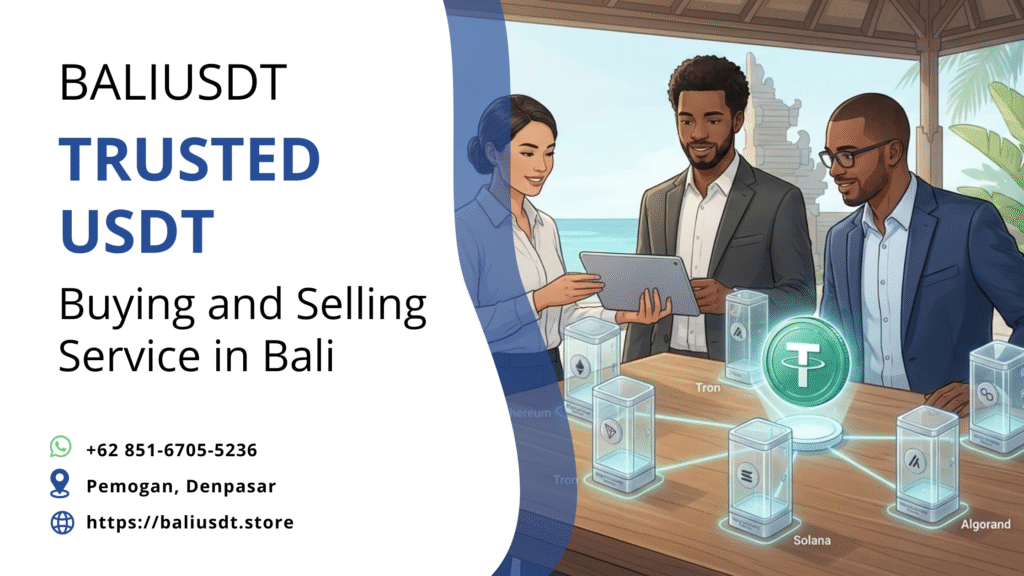
When people first ask what blockchain is usdt on, the answer can be surprisingly long. Tether has expanded its reach across dozens of protocols to ensure maximum liquidity. As of 2026, the most prominent networks include Ethereum, TRON, Solana, Polygon, and Avalanche. Each of these serves a different purpose within the crypto ecosystem.
Ethereum was the original major home for USDT (known as ERC-20). While it is incredibly secure and widely supported by every major exchange, it often suffers from high “gas fees.” For a tourist trying to exchange a few hundred dollars for Indonesian Rupiah, paying $15 in network fees is far from ideal. Consequently, many travelers have shifted their focus to alternative networks that offer the same digital dollar at a fraction of the cost.
Knowing exactly what blockchain is usdt on in your specific wallet is the first step toward a successful transaction. If you send USDT from an Ethereum address to a TRON address, your funds will likely be lost forever in the digital void. Always verify the network type (ERC-20, TRC-20, or SPL) before clicking “send” at a local exchange office.
The Traveler’s Choice: TRON and Solana Networks
For the average visitor in Bali, the technical answer to what blockchain is usdt on is usually TRON (TRC-20). TRON has become the “people’s network” for stablecoin transfers because it is incredibly cheap and fast. Most transactions cost around $1 to $2 in network fees and settle within a couple of minutes. This efficiency is perfect when you are standing in a tropical breeze in Denpasar, waiting to get your cash for a day trip to Nusa Penida.
Solana is another rising star for international visitors. If you are wondering what blockchain is usdt on when you see “SPL USDT” in your wallet, that is the Solana version. It is even faster than TRON and costs mere pennies per transaction. Many modern mobile wallets now support Solana-based USDT, making it a favorite for tech-savvy nomads who work from cafes in Canggu or Ubud.
However, the variety of choices means you must stay alert. Before you visit our office in Bali for secure USDT selling, check your wallet settings. Most reputable local providers, including those in the Pemogan area, will ask you clearly: “Which network are you using?” Having this information ready ensures a smooth and professional exchange process.
Managing Your Wallet Safely While Exploring Bali
Once you have identified what blockchain is usdt on for your funds, your next priority is security. Bali is a safe destination, but digital security requires personal diligence. Public Wi-Fi in beach clubs or airports can be a hotspot for hackers. Always use a VPN when accessing your crypto wallet, or better yet, use your local SIM card’s data connection (like Telkomsel or XL) which is significantly more secure.
Furthermore, keep your “seed phrase” or private keys completely offline. Do not store a screenshot of them in your phone’s photo gallery. If you are carrying a large amount of USDT for a long-term stay, consider using a hardware wallet like a Ledger or Trezor. These devices allow you to sign transactions offline, protecting you even if your laptop or phone is compromised by malware.
Understanding what blockchain is usdt on also helps with recovery. If you use a non-custodial wallet like Trust Wallet or MetaMask, you can often “add” the different networks manually. If you receive USDT on a network you don’t recognize, don’t panic. Usually, it just means you need to enable that specific blockchain view in your app settings to see your balance.
Why Network Selection Matters for Currency Exchange
In the context of the Indonesian economy, the question of what blockchain is usdt on directly impacts your “take-home” amount of Indonesian Rupiah (IDR). Because local exchange services must cover their own operational costs and network fees when they move the USDT you sell them, they may offer slightly different rates depending on the blockchain you use.
For instance, an exchange might prefer TRC-20 because it allows them to move the funds quickly and cheaply. If you insist on using the Ethereum network, the high gas fees might eat into your profit. Therefore, if you are planning a trip, it is wise to “bridge” your USDT to a cheaper network like TRON or Polygon before you even leave your home country.
When you are in Pemogan, Denpasar, and looking for a fast quote, being able to say “I have 500 USDT on the TRON network” allows the staff to give you an immediate and accurate calculation. This transparency helps you avoid any “hidden” costs associated with blockchain congestion.
Local Tips: Transport, Culture, and Cash in Bali
While mastering the answer to what blockchain is usdt on is great for your finances, you also need to navigate the physical world of Bali. Here are a few local tips to make your stay more enjoyable:
- Transport: Use apps like Gojek or Grab for the best prices. You can link your credit card, but having IDR cash from your USDT exchange is essential for tipping your driver or paying for parking (usually 2,000–5,000 IDR).
- Cultural Respect: When visiting temples like Besakih or Tanah Lot, always wear a sarong and sash. Most temples provide these for a small donation or rental fee—another reason to keep local cash handy.
- The 100k Trap: The 100,000 IDR note is red and looks somewhat similar to the 10,000 IDR note in low light. Always double-check your zeros when paying at a busy night market!
- Stay Legal: Remember that while you can hold and trade USDT as a commodity, you must use Rupiah for all your local purchases. Using crypto directly as a payment method in a shop is currently not allowed under Indonesian law.
By combining your blockchain knowledge with these cultural tips, you’ll find that Bali is one of the most welcoming and “crypto-friendly” (in terms of exchange) places in Southeast Asia.
Conclusion
Understanding what blockchain is usdt on is the key to unlocking a stress-free financial experience in Indonesia. Whether you choose the robust security of Ethereum or the lightning-fast efficiency of TRON and Solana, being aware of your network ensures that your funds are always accessible when you need them most. By keeping your assets on low-cost chains and using trusted local exchange services in Denpasar, you can focus on what really matters: the stunning sunsets, the rich culture, and the unforgettable adventures that Bali has to offer.
Ready to convert your digital assets into Rupiah for your trip? We provide a safe and professional environment for all your exchange needs.
📲 WhatsApp us to sell your USDT safely: +62 851-6705-5236
Get a fast quote for your USDT today and ensure you have the best rate for your Bali holiday. Our team is ready to assist you with all network types!
USDT is processed as a commodity sale in Indonesia, not as a direct payment method.
Read also: Where Can I Withdraw USDT? Your 2026 Global Traveler’s Guide