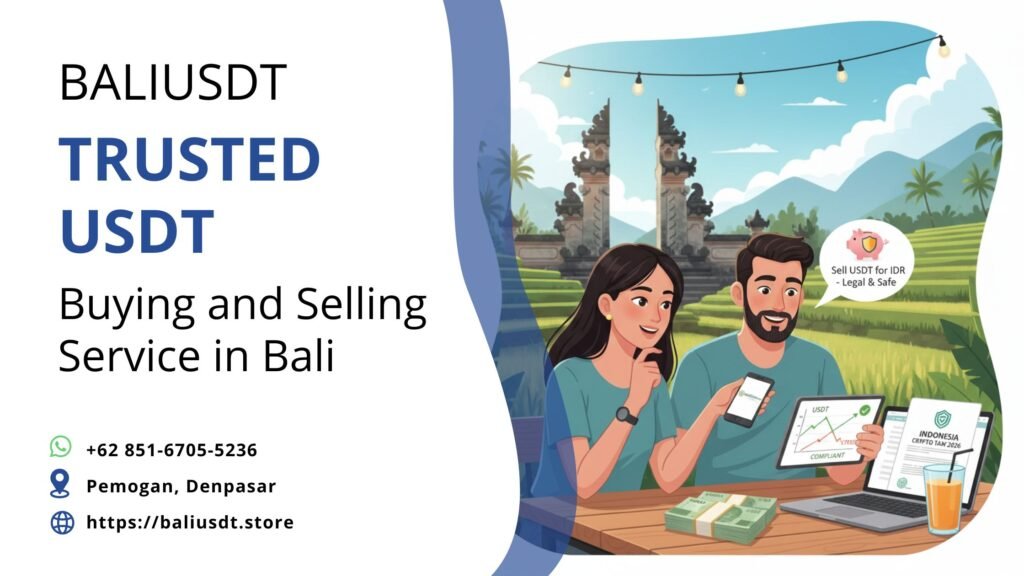
Do you pay taxes on USDT while working remotely from a sun-drenched cafe in Canggu or enjoying a luxury villa in Ubud? As we navigate through 2026, Bali remains a top destination for digital nomads and cryptocurrency enthusiasts. However, the Indonesian government has significantly modernized its digital financial framework. Whether you are a short-term tourist or a long-term expat, understanding your tax obligations is no longer optional—it is a vital part of a stress-free tropical lifestyle.
The 2026 Crypto Tax Landscape in Indonesia
As of 2026, the Indonesian Ministry of Finance (MoF) has firmly integrated digital assets into the national tax net. Under the latest regulations, such as PMK No. 50/2025, cryptocurrencies like USDT are officially classified as “digital financial assets” or securities. This reclassification has brought about several key changes. The most important update for travelers is that crypto-asset transfers are now technically exempt from Value Added Tax (VAT), but they are strictly subject to Income Tax (PPh).
When international readers ask, “do you pay taxes on USDT,” they must realize that the tax is usually settled at the point of sale. If you use a domestic exchange platform registered with the Financial Services Authority (OJK), the final income tax rate is 0.21%. However, if you use a foreign exchange or an unregulated platform, that rate jumps to 1%. This “final tax” means the obligation is settled immediately during the transaction, and the platform acts as the withholding agent.
Tax Residency: The 183-Day Rule for Expats
One of the most frequent questions from digital nomads is whether these local rules apply to them as non-citizens. In Indonesia, your tax liability is heavily influenced by your residency status. According to the “183-day rule,” any foreigner who stays in Indonesia for more than 183 days within a 12-month period is legally considered a domestic tax resident.
In 2026, the tax office (DJP) has synchronized its databases with the Directorate General of Immigration. This means the system automatically tracks your entry and exit stamps. If you hit that 184-day mark, you are technically required to report your global income, including crypto gains. For those wondering, “do you pay taxes on USDT as a resident,” the answer is a definitive yes, and failure to report can lead to administrative sanctions or difficulties when renewing your stay permit (KITAS).
Why Selling USDT Safely Matters for Your Budget
While the digital nomad community often trades peer-to-peer, doing so in a foreign country carries inherent risks. Beyond the simple question of “do you pay taxes on USDT,” you must consider the safety of your funds and the legality of your “off-ramp.” Using unlicensed street dealers or unverified P2P platforms can result in bank account freezes or falling victim to local scams.
To maintain your peace of mind, it is always recommended to use professional services like BaliUSDT.store. Professional OTC (Over-the-Counter) desks ensure that your USDT is processed as a legal commodity sale. This provides you with a clear paper trail, which is essential if local authorities or your home-country bank ever question the source of your Indonesian Rupiah (IDR). Furthermore, reputable desks handle the required withholding taxes, so you don’t have to worry about the administrative burden.
Local Tips for Managing Your Travel Funds
Navigating Bali’s economy requires a mix of digital savvy and traditional cash. While the island is incredibly modern in hubs like Seminyak and Uluwatu, the Indonesian Rupiah remains the only legal tender for direct payments. You cannot legally pay for your surf lessons or your morning nasi jinggo directly with Tether.
- Check the Exchange Rates: Always verify the current USDT/IDR rate before heading out.
- Use Local Bank Transfers: For large amounts, having a local bank account can make receiving IDR much faster and cheaper.
- Keep Your Receipts: If you are selling large amounts of crypto, keep your transaction receipts. These are your proof of compliance for the question, “do you pay taxes on USDT.”
- Avoid Public Wi-Fi: Never conduct financial transactions or access your crypto wallets on unsecured public networks in cafes or airports.
For those staying long-term, visiting a physical office in Denpasar or Pemogan can provide a higher level of service and security. Meeting a team in person allows you to get a fast quote and ensures that your transaction follows all 2026 Indonesian financial protocols.
Compliance and Future Trends in 2026
The Indonesian government is moving toward a “One-Data System,” integrating immigration, business licensing, and taxation. This transparency is designed to protect the economy and provide legal certainty for foreigners. When you ask, “do you pay taxes on USDT,” you are participating in a system that is becoming increasingly professionalized.
For the savvy traveler, this is actually good news. A regulated market means better protection against fraud and a clearer path for those who want to call Bali their home. As long as you stay informed and use trusted partners for your currency conversions, you can enjoy all the magic the island has to offer without any lingering financial anxiety.
Conclusion
Living and traveling in Bali in 2026 offers a unique blend of ancient culture and cutting-edge digital finance. To the question, “do you pay taxes on USDT,” the reality is that Indonesia has a clear, structured system that involves a final income tax of 0.21% to 1% depending on your chosen platform. By respecting the 183-day residency rule and choosing secure, professional ways to sell your assets, you ensure your Balinese adventure remains a positive experience. Focus on your work, catch those waves, and let the professionals handle the complexities of your crypto off-ramping.
📲 WhatsApp us to sell your USDT safely: +62 851-6705-5236
Get guidance for selling USDT legally in Indonesia
Office Location: Pemogan, Denpasar
USDT is processed as a commodity sale in Indonesia, not as a direct payment method.
Read also : Do You Need TRX to Send USDT? 2026 Bali Crypto Guide