Does usdt rise and fall is a question that frequently surfaces in digital nomad hubs from the co-working spaces of Canggu to the serene cafes of Ubud. For many travelers, keeping their savings in a digital format is a matter of security and convenience. However, before you rely on a digital asset to fund your dream life in Bali, you must understand its price mechanics. Tether (USDT) is the most popular stablecoin in the world, and its primary purpose is to provide a “safe haven” from the extreme volatility usually associated with the crypto market. If you are planning to stay in Indonesia long-term, understanding how this asset behaves will save you both money and stress.
The Stability Factor: Does USDT Rise and Fall Like Other Cryptos?
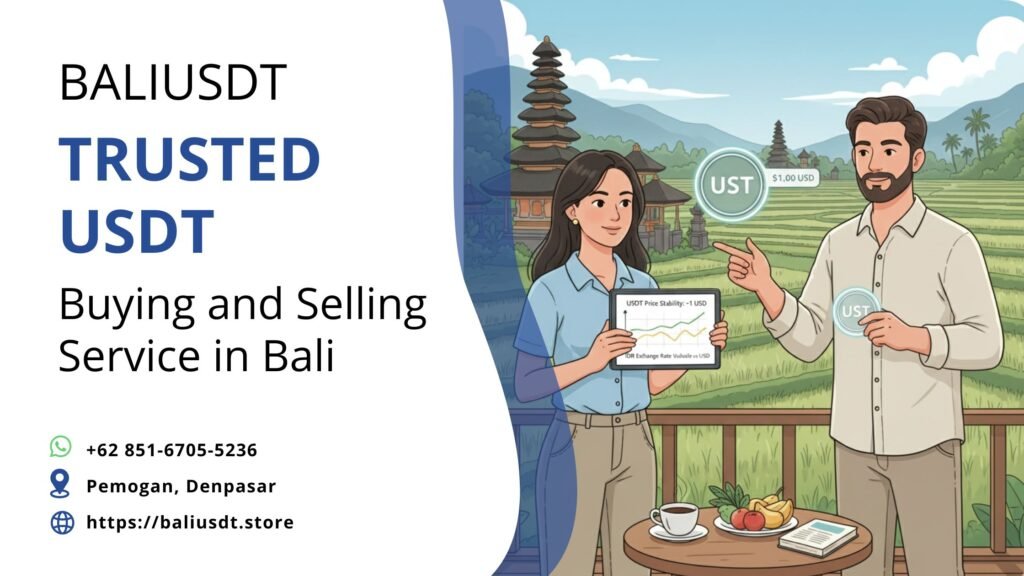
When people ask does usdt rise and fall, they are often comparing it to volatile assets like Bitcoin or Solana. Unlike those coins, USDT is a “stablecoin,” meaning its value is pegged 1:1 to the United States Dollar (USD). This peg is maintained by Tether Limited through a reserve of cash, treasury bills, and other liquid assets. Because of this structure, the price of USDT does not experience the massive percentage swings seen elsewhere in the market.
However, it is technically true that USDT experiences very minor fluctuations. On global exchanges, you might see it trade at $0.999$ or $1.001$. These tiny movements happen due to supply and demand on trading platforms. For a traveler in Bali, these variations are negligible. The real “rise and fall” you should care about is the exchange rate between the US Dollar and the Indonesian Rupiah (IDR). Since your USDT follows the dollar, your purchasing power in Bali will increase if the Rupiah weakens against the USD.
Why Digital Nomads in Bali Prefer USDT Over Traditional Banks
Living in Bali as an expat often involves managing international income while paying for local expenses like villa rentals, scooter leases, and surfboard repairs. Traditional international bank transfers (SWIFT) can take days and often come with hidden fees. This is why many nomads hold their funds in USDT.
Since the answer to does usdt rise and fall is generally “no” relative to the dollar, it acts as a digital version of the USD that you can move across borders instantly. This stability allows you to budget your monthly expenses with precision. You don’t have to worry that your rent money will lose 20% of its value overnight while you are out exploring the Tegalalang Rice Terrace. Furthermore, using USDT allows you to bypass the high ATM withdrawal fees that many Indonesian banks charge for foreign cards.
Managing the USDT to Rupiah (IDR) Exchange Rate
While we have established that the core value of USDT remains steady, the local conversion rate is where things get interesting. When you look at local market trends, you might wonder why the amount of Rupiah you receive changes daily. This isn’t because the USDT itself is volatile, but because the global forex market is constantly moving.
For many travelers, the goal is to sell their USDT when the Rupiah is weaker, giving them more “bang for their buck.” To do this successfully, you need a reliable partner who offers transparent, real-time rates. You can sell your USDT safely in Bali through professional services that specialize in helping the expat community. By monitoring the IDR/USD pair, you can decide the best time to liquidate your digital assets into local cash for your daily needs.
The Impact of Network Fees on Your Savings
Another factor to consider when asking does usdt rise and fall is the cost of moving your money. Even if the price of the token is stable, “gas fees” or network fees can eat into your balance. If you are using the Ethereum network (ERC-20), fees can spike during busy times. Most seasoned travelers in Bali prefer using the Tron network (TRC-20) or Polygon because the transaction costs are significantly lower—often just $1 to $2. This ensures that the “value” you hold in your wallet stays as close to your actual balance as possible.
Legal and Safety Tips for Using USDT in Indonesia
Indonesia has a unique legal landscape for digital assets. While it is perfectly legal to own and trade USDT, it is important to remember that it is classified as a “commodity,” not a currency. This means you cannot use it to pay for your smoothie bowl or your hotel bill directly. Indonesian law mandates that all local transactions must be settled in Rupiah (IDR).
To stay compliant and safe:
- Always Exchange to IDR: Sell your USDT for Rupiah before making any local purchases.
- Use Trusted OTC Desks: Avoid meeting strangers from Telegram groups for cash exchanges. Stick to professional offices in areas like Pemogan or Denpasar.
- Security First: Always use two-factor authentication (2FA) on your crypto wallets. Public Wi-Fi in cafes can be a risk, so consider using a VPN when accessing your funds.
When travelers ask does usdt rise and fall, they are often seeking security. Following these legal guidelines ensures that your “stable” assets stay truly secure during your stay on the island.
Why “Stability” is the Key to a Stress-Free Bali Trip
The beauty of Bali is its relaxed pace of life. The last thing you want to do while watching a sunset at Tanah Lot is stress about a market crash. Because the answer to does usdt rise and fall is “very rarely,” you can treat your USDT wallet like a high-tech savings account. It provides the liquidity of crypto with the reliability of the world’s reserve currency.
For long-term expats, this stability is the foundation of their financial planning. Whether you are saving for a new business venture in Seminyak or just making sure you have enough for your next visa extension, USDT offers a level of predictability that traditional crypto cannot match. By understanding the minor global fluctuations and focusing on the local IDR exchange rate, you can master your travel finances like a pro.
Conclusion
In conclusion, if you are worried and asking does usdt rise and fall, you can breathe easy. Tether is designed to be the “calm in the storm” of the crypto world. While it may have very slight price movements on exchanges, its 1:1 peg to the US Dollar remains its defining feature. For the digital nomad in Bali, this means you can enjoy the island’s wonders without worrying about your budget evaporating overnight.
The secret to a successful financial strategy in Bali is combining the stability of USDT with a secure, local way to access your cash. By keeping your funds in a stable asset and only converting to Rupiah as needed, you protect yourself from both crypto volatility and excessive banking fees. Enjoy your time in paradise knowing your finances are on solid ground.
Ready to Exchange Your USDT for Cash in Bali?
If you have been holding USDT and are ready to access your funds for your Bali adventures, we are here to help. Our team provides a secure, professional, and fast way to convert your digital assets into local currency.
Check today’s USDT selling rate via WhatsApp to get an instant quote. We offer competitive rates and a transparent process so you can get back to enjoying your holiday.
Visit our office in Bali for secure USDT selling:
Pemogan, Denpasar
📲 WhatsApp us to sell your USDT safely: +62 851-6705-5236
USDT is processed as a commodity sale in Indonesia, not as a direct payment method.
Read also : Does Solana Support USDT? A Complete 2026 Bali Guide