As the digital nomad lifestyle continues to flourish in the Indonesian archipelago, many travelers and remote workers are asking: is selling USDT taxable when cashing out for local expenses? Navigating the financial landscape of a foreign country can be daunting, especially with the rapid evolution of digital asset regulations. Bali has become a global hub for crypto-savvy travelers who prefer the stability of Tether (USDT) over traditional banking systems. However, staying compliant with local laws is essential to ensuring a stress-free stay in paradise. In this guide, we will break down the latest tax implications, legal classifications, and practical tips for managing your digital assets safely and legally while enjoying the Island of the Gods.
The Legal Classification of USDT in Indonesia
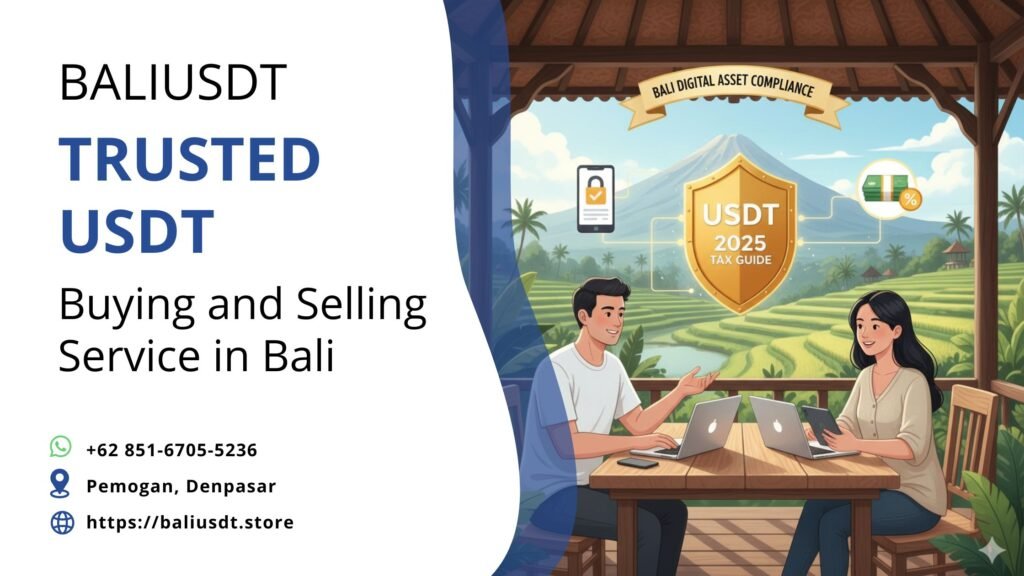
To answer the question of is selling USDT taxable, we must first look at how the Indonesian government defines digital assets. As of 2025, the Ministry of Finance and the Commodity Futures Trading Regulatory Agency (Bappebti) have refined the legal status of cryptocurrencies. In Indonesia, USDT and other digital assets are legally classified as “commodities” or “digital financial assets,” rather than legal tender. This distinction is vital because it determines how they are taxed and used.
Because they are commodities, they are subject to specific tax frameworks that differ from traditional income or sales tax. The government recently shifted its stance to align with global standards, reclassifying these assets to ensure they are treated similarly to securities. This move has brought much-needed clarity to the expat community, confirming that while you can hold these assets as investments, selling them triggers a specific tax event that every visitor should be aware of.
Current Tax Rates: What You Need to Pay
When considering is selling USDT taxable, the most important factor is the rate applied to your transaction. Starting in late 2025, Indonesia implemented a “Final Income Tax” (PPh 22) on all crypto sales. The specific rate you pay depends largely on the platform you use to liquidate your assets. For transactions conducted through domestic exchanges registered with Bappebti, the final income tax rate is typically around 0.21% of the transaction value.
However, many expats still use foreign platforms or international P2P markets. If you sell your USDT through an unappointed foreign exchange, the tax rate can jump to 1%. This significant difference is designed to encourage users to utilize local, regulated infrastructure. For a traveler spending thousands of dollars on a luxury villa in Seminyak, these percentages can add up. Understanding these rates helps you budget more effectively and avoid surprises when it comes time to report your local financial activity.
Is Selling USDT Taxable for Short-Term Tourists?
A common point of confusion for those on a B211A or a standard tourist visa is whether they fall under the Indonesian tax net. Generally, if you are in the country for fewer than 183 days within a 12-month period, you are considered a “non-resident taxpayer.” In this scenario, you are usually only liable for taxes on income generated within Indonesia. Since selling USDT for Indonesian Rupiah (IDR) to pay for local services is a local transaction, the withholding tax applied by the platform usually settles your obligation.
For digital nomads staying longer on an E33G (Remote Worker) visa or those who have become tax residents, the situation is more formal. Once you exceed the 183-day threshold, you may be required to obtain a Tax Identification Number (NPWP) and declare your global income. Even then, the “Final Income Tax” nature of crypto sales often means the tax is settled at the point of sale, simplifying the process for most residents. So, when people ask is selling USDT taxable for a two-week vacation, the answer is yes, but it is typically handled automatically by the exchange.
Practical Benefits of Using Local Services
Beyond the technical answer to is selling USDT taxable, there are practical safety considerations. Walking around Bali with large amounts of cash can be a security risk, and using international ATMs often results in poor exchange rates and high fees. Using digital assets allows you to keep your wealth secure in a digital wallet and only convert what you need for immediate use.
If you find the tax reporting or the P2P marketplace complex, using a specialized local service can be a lifesaver. For example, if you need a clear and safe way to handle your crypto while staying in Denpasar, you can visit BaliUSDT.store to learn about secure local options. These services often provide a more personalized experience, helping you navigate the “commodity” status of USDT while ensuring you have the IDR needed for your scooter rentals and daily tropical adventures.
Local Tips for Secure Transactions
- Use Verified Platforms: Stick to exchanges that are recognized by Indonesian regulators to benefit from lower tax rates.
- Keep Receipts: Always save your transaction logs; they are your best defense if your bank asks about the source of your funds.
- Avoid “Gray Market” Dealers: Trading with unverified individuals in cafes can lead to scams or legal complications.
- Convert Gradually: Don’t liquidate your entire portfolio at once; convert as needed to manage exchange rate fluctuations.
The Shift from VAT to Financial Asset Treatment
In a major update for 2025, the Indonesian government removed the Value Added Tax (VAT) on the transfer of crypto assets. Previously, sellers had to worry about both income tax and VAT, which made cashing out quite expensive. Now that crypto is treated as a financial instrument, the VAT has been eliminated for the sale itself. This change directly impacts the question is selling USDT taxable by making the overall cost of cashing out much lower than in previous years.
However, be aware that service fees—such as the commissions charged by exchanges or wallet providers—still attract a 12% VAT. While the “commodity” itself is exempt, the service of facilitating the trade is not. For most expats, this is a positive development that makes Bali one of the more competitive places in Southeast Asia for digital nomads to manage their crypto wealth.
Handling P2P Sales and Self-Reporting
Many travelers use Peer-to-Peer (P2P) platforms to get better rates or more payment options like GoPay or OVO. If you are using a platform that does not automatically withhold tax, you might wonder is selling USDT taxable through these manual methods? Technically, yes. If the platform does not collect the 1% tax on your behalf, the responsibility falls on the individual to self-assess and report it.
For the average tourist, this can be a hurdle. This is why many seasoned expats recommend using services that handle the compliance for you. By ensuring the tax is settled at the moment of the transaction, you protect your legal standing in Indonesia. This is especially important for those looking to apply for long-term residency or “golden visas” in the future, as a clean tax record is often a prerequisite.
Cultural and Transportation Notes
In Bali, “cash is king” in rural areas, but the digital economy is booming in places like Pererenan and Berawa. Having a smooth way to convert your USDT is essential for paying your private driver or booking a fast boat to the Gili Islands. Understanding that is selling USDT taxable and how to do it correctly ensures that your funds are always “clean” and ready to use for the experiences that make Bali famous.
Conclusion: Staying Compliant in Paradise
Ultimately, the answer to is selling USDT taxable in Bali is a clear “yes,” but the process is more streamlined than many travelers realize. With the removal of VAT on sales and the implementation of a clear final income tax, Indonesia has created a welcoming environment for digital nomads. By choosing the right platforms and understanding your residency status, you can enjoy the financial freedom that USDT provides without running afoul of local authorities.
Whether you are here for a month of surfing or a year of building your startup, managing your digital assets with a “compliance-first” mindset will serve you well. Bali offers an incredible lifestyle, and by taking these small steps to secure your finances, you can focus on the sunsets, the culture, and the community that make this island truly unique.
📲 WhatsApp us to sell your USDT safely: +62 851-6705-5236
- Get guidance for selling USDT legally in Indonesia
- Location: Pemogan, Denpasar
USDT is processed as a commodity sale in Indonesia, not as a direct payment method.
Read also : Understanding the Choice: Is Bittrex USD or USDT Better?