As more digital nomads and Muslim travelers settle into the tropical lifestyle of Indonesia, a frequent question arises: is staking USDT halal from an Islamic finance perspective? Bali has become a significant hub for the global crypto community, where digital assets are often used to preserve wealth against currency fluctuations. For those following Shariah principles, understanding whether passive income from stablecoins is permissible (halal) or prohibited (haram) is a top priority. In this guide, we will analyze the mechanics of staking, the views of prominent scholars, and how these rules apply to the specific financial environment of Bali.
Understanding the Concept: Staking vs. Riba
To determine the answer to the question is staking USDT halal, we must first define what staking actually entails. In the blockchain world, staking typically refers to locking up digital assets to support a network’s Proof of Stake (PoS) consensus mechanism. When you stake, you are essentially providing a service—securing the network—and receiving a reward in return. Islamic finance experts often compare this to a “fee for service” (Ujrah) or a profit-sharing agreement (Mudarabah).
However, the concern arises when staking rewards are fixed or guaranteed, which can resemble Riba (interest). Traditional Islamic law strictly prohibits making money from money without risk or effort. If a platform offers a “guaranteed annual yield” on USDT that functions exactly like a bank’s interest-bearing savings account, many scholars would argue it is impermissible. Conversely, if the rewards fluctuate based on network performance and involve real risk of loss, the consensus leans more toward it being permissible.
The Indonesian Perspective: DSN-MUI Fatwas
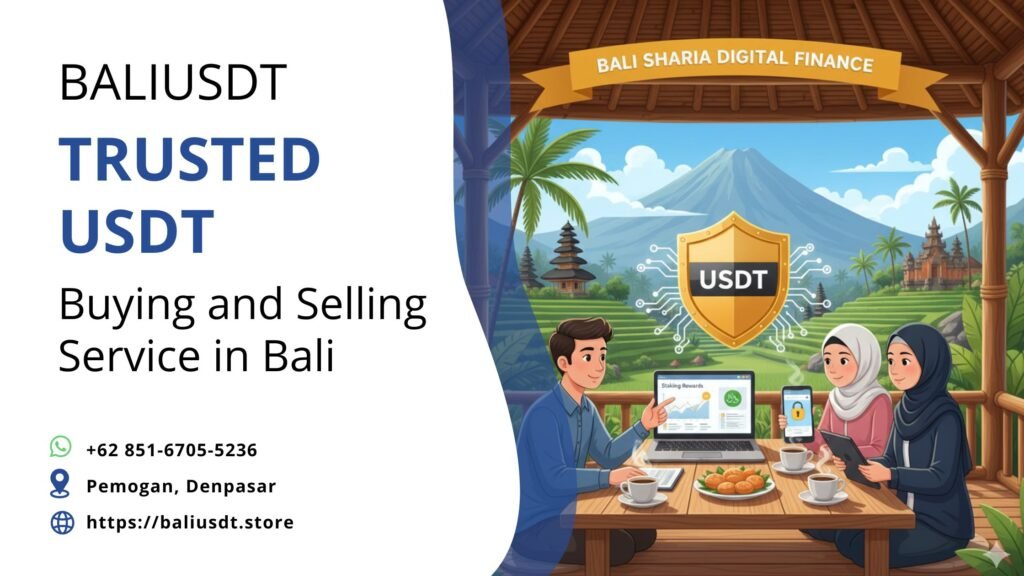
Indonesia, home to the world’s largest Muslim population, has a very structured approach to digital assets. The National Sharia Council of the Indonesian Ulema Council (DSN-MUI) issued a significant fatwa regarding crypto. According to their guidelines, cryptocurrency is considered haram when used as a currency but is generally halal when treated as a commodity (sil’ah). This is why you will notice that in Bali, USDT is handled as a digital asset for investment rather than a direct payment method.
When asking is staking USDT halal in the Indonesian context, the focus is on the “underlying asset” and the “clarity of the contract.” If the staking process is transparent, avoids excessive uncertainty (Gharar), and does not involve gambling (Maysir), it fits the criteria for a Shariah-compliant commodity trade. Many local crypto enthusiasts in Bali follow these guidelines to ensure their digital wealth aligns with their religious values while enjoying the island’s unique “Silicon Bali” tech scene.
Practical Financial Tips for Expats in Bali
For an international traveler or expat, managing finances in Bali requires a blend of digital savvy and local knowledge. While your USDT might be safely staked in a global wallet, you still need Indonesian Rupiah (IDR) for daily costs like villa rentals, scooter fuel, and dining. Because the IDR can be volatile, many nomads ask is staking USDT halal as a way to keep their savings in a dollar-pegged asset while earning a small return to cover their living expenses.
It is highly recommended to use reputable platforms that offer “Sharia-compliant” staking options. These platforms often use Wakala contracts, where the platform acts as your agent to manage the assets in a permissible way. This ensures that the rewards you earn are not just “free money” but are rooted in a legitimate economic activity. When you are ready to use those rewards for your weekend trip to the Gili Islands or a yoga retreat in Ubud, you can be confident in the ethical standing of your funds.
How to Sell Your USDT Legally in Indonesia
Once you have managed your digital assets and perhaps earned rewards, the next step is liquidation. In Indonesia, you must be careful about how you convert your assets. Since USDT is treated as a commodity, you should sell it through registered channels that follow the Bappebti (commodity regulator) standards. This ensures that the transaction is recorded and any necessary taxes are handled appropriately.
If you are looking for a secure and professional way to handle this, you can visit BaliUSDT.store to find resources tailored for the expat community. Using a local service that understands both the technical and legal requirements of the Indonesian market is much safer than meeting strangers for P2P trades in a cafe. This professional approach reinforces the idea that is staking USDT halal is only part of the equation; how you eventually exit the asset and enter the local economy matters just as much.
Avoiding Scams and Unethical Platforms
Bali’s popularity can sometimes attract unscrupulous actors. When researching is staking USDT halal, be wary of platforms promising “too good to be true” returns. In Islamic finance, excessive risk or ambiguity is a red flag. If a platform’s business model is not transparent, it likely involves Gharar. Stick to established exchanges or local services with a physical presence in areas like Denpasar or Canggu.
- Always check for Sharia certification if the platform claims to be halal.
- Avoid platforms that “lend” your USDT to margin traders (this is often considered Riba).
- Keep your private keys secure and never share them with “online helpers.”
Integrating Shariah Principles with Digital Life
Living in Bali offers a unique opportunity to blend tradition with modernity. You can witness ancient Hindu ceremonies in the morning and attend a blockchain seminar in the evening. For Muslim expats, this means being diligent about their financial choices. Determining is staking USDT halal allows you to participate in the digital revolution without compromising your faith. It provides a way to maintain financial stability in a globalized world while respecting the ethical boundaries set by Islamic jurisprudence.
Cultural Etiquette and Local Business
When you go to sell your USDT for Rupiah to pay for your long-term villa lease, remember that Indonesian business culture values politeness and clear communication. Using a trusted local service ensures that you are seen as a responsible member of the community. Most professional crypto services in Bali are well-versed in the needs of international visitors and can provide a level of service that matches the high standards expected in the global finance industry.
Conclusion: A Balanced Approach to Crypto
In summary, the answer to is staking USDT halal depends heavily on the structure of the staking contract and the transparency of the platform. By choosing rewards based on network participation rather than fixed interest, avoiding unethical industries, and ensuring the asset is treated as a commodity, you can navigate the crypto space ethically. Bali remains a premier destination for those who want to live a high-tech lifestyle in a high-touch cultural environment.
By staying informed about the latest fatwas and local regulations, you can enjoy your time on the Island of the Gods with total peace of mind. Whether you are building a startup from a beachside cafe or just enjoying a well-earned sabbatical, your digital assets can be a tool for both financial growth and ethical living.
📲 WhatsApp us to sell your USDT safely: +62 851-6705-5236
- Visit our office in Bali for secure USDT selling
- Location: Pemogan, Denpasar
USDT is processed as a commodity sale in Indonesia, not as a direct payment method.
Read also : Understanding the Choice: Is Bittrex USD or USDT Better?