Is trading usdt taxable for the thousands of travelers and digital nomads who call Bali home in 2025? This question has become a top priority as Indonesia updates its fiscal landscape to accommodate the growing digital economy. Whether you are sipping a latte in a Canggu cafe or surfing the breaks of Bukit, understanding your tax obligations is essential to enjoying a stress-free stay. While Bali offers an unparalleled lifestyle, navigating the intersection of cryptocurrency and local law requires a clear perspective on current regulations.
The 2025 Landscape of Crypto Taxation in Indonesia
Indonesia has undergone significant regulatory shifts recently, moving oversight of digital assets to the Financial Services Authority (OJK). Under the latest Minister of Finance Regulation (PMK 50/2025), the government has clarified the answer to whether is trading usdt taxable. As of August 2025, cryptocurrency is officially classified as a digital financial asset, similar to securities.
This reclassification brought a major relief to traders: the removal of Value Added Tax (VAT) on the transfer of crypto assets. However, while VAT is gone for the assets themselves, the government has balanced this by adjusting the Income Tax (PPh) rates. For foreigners living in Bali, this means every swap or sale is indeed a taxable event, though the mechanism is often handled automatically by the platforms you use.
How Final Income Tax Works for Travelers
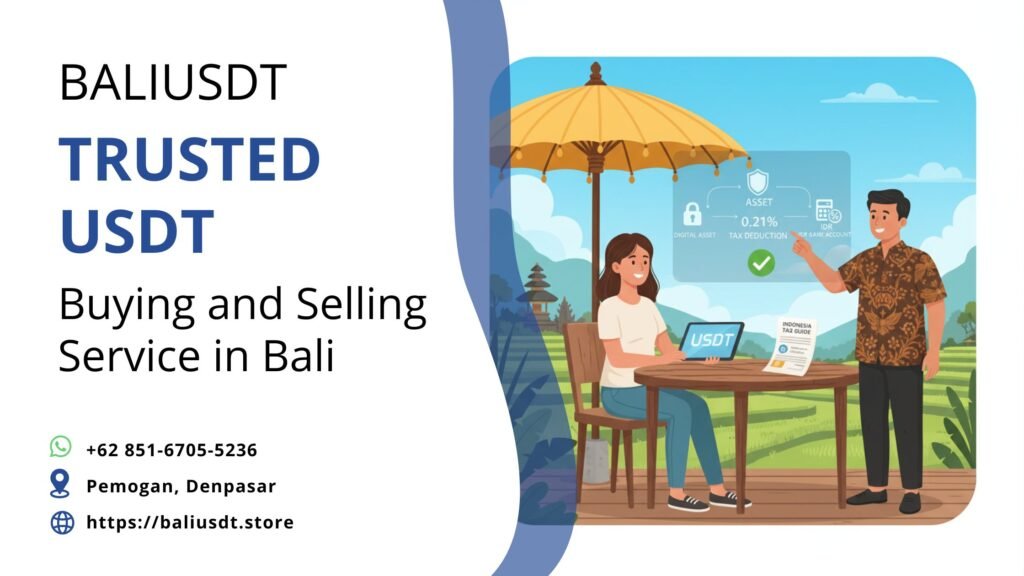
For a tourist or expat, the most important thing to understand is the concept of “Final Income Tax.” When you ask is trading usdt taxable, you should know that the tax is usually withheld at the point of transaction. If you use a licensed Indonesian exchange, the platform will typically deduct a final tax of 0.21% of the transaction value.
This system is designed for simplicity. Because it is a “final” tax, you do not necessarily need to calculate capital gains or losses at the end of the year for those specific trades. However, if you are trading on foreign platforms while residing in Indonesia, the rate is significantly higher, often reaching 1%. This makes using local, compliant services a much more cost-effective choice for those staying long-term in villas or co-working spaces.
Why Rates Differ Between Local and Foreign Exchanges
- Licensed Domestic Platforms: 0.21% final tax (processed automatically).
- Foreign/Unlicensed Platforms: 1% final tax (may require self-reporting).
- Service Fees: While the asset transfer is VAT-exempt, the platform’s service fees still attract an effective VAT of 11%.
Practical Tips for Expats Navigating Tax Compliance
Living as an expat in Bali often means managing finances across borders. If you are wondering is trading usdt taxable for your specific situation, it often depends on your residency status. Most digital nomads staying on a Remote Worker Visa (E33G) or a KITAS are considered tax residents if they stay more than 183 days in a 12-month period.
To stay compliant and safe, many expats choose to use local Over-the-Counter (OTC) services. These services are particularly helpful when you need to liquidate USDT into Indonesian Rupiah (IDR) for large purchases, such as a scooter lease or a long-term villa rental. By using a professional service in areas like Pemogan, Denpasar, you ensure that the transaction is recorded correctly under Indonesian law as a commodity sale.
The Cultural and Financial Shift in Bali
Bali is no longer just a destination for backpackers; it is a global hub for the “crypto-nomad” community. Consequently, the local infrastructure has adapted. While you cannot use USDT to pay for your laundry or at a local market directly, the ease of converting it to Rupiah makes it a favorite digital commodity. When considering is trading usdt taxable, it is also worth noting the convenience factor.
Using digital assets allows you to avoid the “money changer” traps common in tourist hubs like Kuta or Legian. Physical money changers often have hidden fees or use predatory exchange rates. In contrast, selling USDT through a trusted digital platform provides transparency. You can check the latest rates and know exactly how much Rupiah will land in your local bank account or e-wallet, with the tax already accounted for in the transaction.
Safety and Security: A Priority for Foreigners
Beyond the question of is trading usdt taxable, safety is the primary concern for any traveler. Managing large amounts of cash in a foreign country is always risky. By keeping your funds in a digital format like USDT, you are protected against physical theft. However, you must remain vigilant against digital scams.
Always use hardware wallets for long-term storage and only use mobile wallets for your “walking around” money. When you are ready to sell, ensure you are dealing with a reputable provider. The Indonesian government’s move to tax these transactions is actually a sign of market maturity; it provides a legal framework that protects you as a consumer. Knowing that your trade is recognized by the state adds a layer of security that didn’t exist in the early days of the crypto boom.
Reporting Obligations for Digital Nomads
Even if your trades are taxed at the source, you might still wonder is trading usdt taxable in terms of your annual reporting. For those with an NPWP (Indonesian Tax ID), you are generally required to report your global assets. However, because the tax on crypto trades is “final,” it simplifies the process of filing your annual return.
If you are just visiting on a tourist visa for a few weeks, your primary interaction with the tax system will be the automatic withholding on exchanges. It is always wise to keep digital receipts of your transactions. Most reputable platforms provide a “Tax Withholding Slip,” which serves as proof that you have fulfilled your obligations to the Indonesian state. This documentation can be vital if you are ever asked about the source of your funds when making a large local investment.
Is Trading USDT Taxable? Summary of Key Facts
To summarize the current situation for 2025:
- Yes, it is taxable, but the method is simplified.
- VAT is no longer applied to the sale of the USDT itself.
- Income Tax (PPh 22) applies at a rate of 0.21% on local exchanges.
- Foreign exchanges are more expensive, carrying a 1% tax rate.
- Compliance is easier through registered local partners who handle the withholding for you.
For the savvy traveler, these rules are a small price to pay for the ability to move money instantly and avoid the high fees of traditional banks.
Conclusion: Trading with Peace of Mind in Bali
Navigating the question is trading usdt taxable doesn’t have to be a headache. By choosing the right platforms and understanding the local rates, you can manage your digital assets with confidence. Bali continues to be a welcoming environment for digital nomads, and the clear tax rules in 2025 only serve to make the island more attractive for long-term stays. As long as you prioritize security and use licensed services, your financial journey in Indonesia will be as smooth as a sunset in Seminyak.
Ready to Sell Your USDT Legally in Bali?
If you need to convert your USDT into Rupiah for your daily expenses or a major purchase, our team is here to help. We offer a secure, transparent, and fully compliant way to sell your digital assets while you are on the island.
- Get guidance for selling USDT legally in Indonesia
- Check today’s USDT selling rate via WhatsApp
📲 WhatsApp us to sell your USDT safely: +62 851-6705-5236
Office Location: Pemogan, Denpasar
USDT is processed as a commodity sale in Indonesia, not as a direct payment method.
Read also : Is Binance Delisting USDT? A 2025 Update for Bali Travelers