If you are planning a trip to Indonesia, you might be wondering is USDT a blockchain or just a digital version of the US Dollar that you can use for your travel expenses. Understanding the technical side of your digital assets is crucial when you are navigating a foreign country. Tether, commonly known as USDT, is one of the most popular stablecoins in the world. However, many travelers often confuse it with the underlying technology that moves the funds from one wallet to another.
Understanding the Basics: Is USDT a Blockchain?
To answer the core question, is USDT a blockchain, the simple answer is no. USDT is not its own independent blockchain. Instead, it is a digital asset or a “token” that exists on top of other existing blockchains. Think of a blockchain like a highway system and USDT like a specific type of car driving on that highway. The car (USDT) needs the road (the blockchain) to move, but the car itself is not the road.
When USDT was first launched in 2014, it operated on the Bitcoin network using a protocol called Omni. Since then, it has expanded significantly. Today, you can find USDT on various networks including Ethereum, TRON, Solana, and Binance Smart Chain. Therefore, when people ask is USDT a blockchain, they are usually trying to understand which network they should use to send or receive their funds while traveling.
For digital nomads in Bali, knowing which network your USDT is on is vital. If you send USDT from an Ethereum address (ERC-20) to a TRON address (TRC-20), your funds could be lost forever. Always double-check the network compatibility before making any transfers for your villa rentals or scooter hires.
Why Digital Nomads in Bali Use USDT
Bali has become a global hub for remote workers and crypto enthusiasts. Many expats prefer holding USDT because it provides a stable value pegged to the US Dollar. This stability is incredibly helpful when you want to avoid the volatility of Bitcoin or the fluctuations of the Indonesian Rupiah (IDR).
While you are exploring the lush rice terraces of Ubud or the beach clubs in Canggu, you might wonder is USDT a blockchain that allows for instant local payments. In reality, while USDT is fast, Indonesia has specific regulations regarding its use. You cannot use USDT to pay for your nasi goreng directly at a local warung. Instead, you must sell your USDT for Rupiah to comply with local laws.
Using USDT offers several advantages for travelers:
- Lower Fees: Sending USDT via the TRON or Solana networks is much cheaper than traditional international bank transfers.
- Speed: Transfers usually settle within minutes, which is perfect for urgent travel needs.
- Security: You don’t have to carry large amounts of physical cash while traveling between islands like Nusa Penida or Lem bongan.
Technical Nuances: How USDT Functions Across Networks
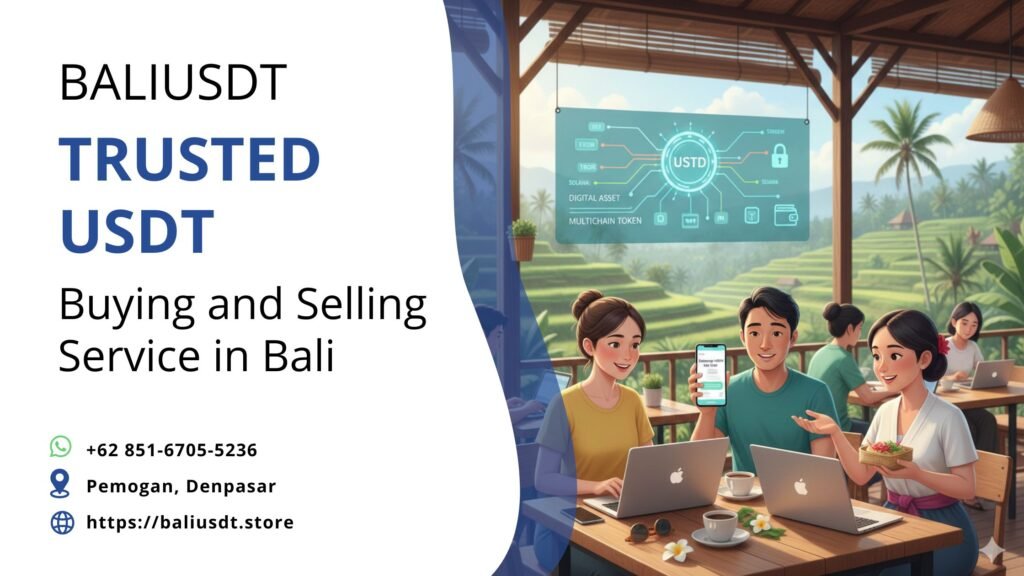
Because the answer to is USDT a blockchain is negative, you must understand the concept of multi-chain availability. This means Tether issues its tokens on multiple third-party blockchains. Each of these networks has its own set of rules, speeds, and transaction fees (gas fees).
For example, if you are using the Ethereum network, you will likely pay higher fees during peak times. Conversely, many travelers in Bali prefer the TRON network (TRC-20) because the fees are usually less than $1. This makes it much more practical for smaller, everyday transactions. Even though the token is the same, the “highway” it travels on changes the experience.
When you are sitting in a co-working space in Pererenan and someone asks you is USDT a blockchain, you can confidently explain that it is a multi-chain asset. This distinction is what allows Tether to be so versatile and widely accepted by various exchanges and OTC (Over-the-Counter) desks across Indonesia.
Staying Safe: Crypto Security Tips for Tourists in Bali
Safety should always be your top priority when handling digital assets abroad. While the question is USDT a blockchain covers the technical aspect, the practical aspect involves securing your private keys and using reputable services. Bali is generally safe, but digital security is a global concern.
First, never use public Wi-Fi in cafes to access your crypto wallets or exchange accounts. Use a secure VPN or your own mobile data. Second, be wary of “local brokers” you meet on social media. If you need to liquidate your assets to pay for a long-term villa stay, always use a professional and verified service.
Furthermore, understanding that is USDT a blockchain-dependent asset means you should always keep a small amount of the “native” coin for gas fees. For instance, if your USDT is on the Ethereum network, you need ETH to pay for the transfer. If it is on TRON, you need TRX. Without these native coins, your USDT will be stuck in your wallet, which can be a major headache when you are trying to pay for your flight out of Ngurah Rai International Airport.
How to Cash Out USDT Safely in Bali
Eventually, every traveler needs physical cash. Whether it’s for a local ceremony donation or buying handmade crafts in Sukawati, the Indonesian Rupiah is king. Since we established that is USDT a blockchain isn’t the case, but rather a token on a network, you need a reliable way to convert those tokens into IDR.
Many expats choose to use trusted local platforms to facilitate this exchange. At BaliUSDT.store, we specialize in helping tourists and digital nomads navigate this process smoothly. We understand the local landscape and provide a secure environment for your transactions.
When you decide to sell your USDT, ensure you are using the correct network. If you are still confused and asking yourself is USDT a blockchain I can use at an ATM, remember that you first need to convert it to the local currency through a commodity exchange process. This ensures that you stay within the legal framework of Indonesia while enjoying the convenience of your digital wealth.
Conclusion
In summary, the question is USDT a blockchain is a common point of confusion for many. USDT is a stablecoin that lives on various blockchains, providing the stability of the US Dollar with the efficiency of crypto technology. For those visiting Bali, it represents a modern way to manage finances, provided you understand the networks you are using and the local regulations.
By staying informed about which network your USDT resides on and using secure, professional services for your exchange needs, you can enjoy everything the Island of the Gods has to offer without financial stress. Whether you are surfing in Uluwatu or working from a cafe in Denpasar, USDT is a powerful tool in your travel kit.
Ready to Exchange Your USDT?
If you are currently in Bali and need to convert your USDT into Indonesian Rupiah for your travels, our team is here to help. We provide a secure, fast, and transparent service tailored for the international community.
Get guidance for selling USDT legally in Indonesia
📲 WhatsApp us to sell your USDT safely: +62 851-6705-5236
USDT is processed as a commodity sale in Indonesia, not as a direct payment method.
Read also : How Long Does It Take to Transfer USDT? A Bali Expat Guide