Introduction
For the savvy traveler, digital nomad, or expat arriving in Bali, understanding what is a USDT address is the first step toward smoothly integrating cryptocurrency into your financial life on the Island of the Gods. This article will demystify the USDT address, explain its significance for security and transactions, and offer essential local tips for using stablecoins safely and conveniently while enjoying your time in Indonesia.
Understanding the Basics: What Exactly is a USDT Address?
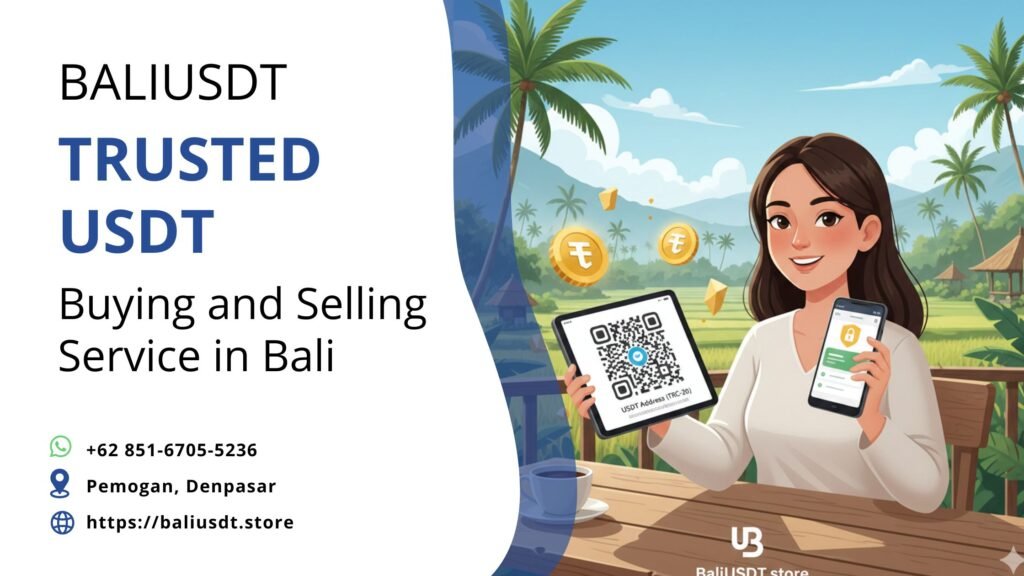
When you delve into the world of stablecoins, the term ‘USDT address’ surfaces constantly. What is a USDT address? In the simplest terms, it is a unique alphanumeric identifier, much like a bank account number or an email address, that is necessary to receive Tether (USDT). USDT is a stablecoin pegged to the US Dollar, making it incredibly popular for international transfers and holding value without the volatility of other cryptocurrencies.
Consequently, this address is the digital destination where your USDT tokens are sent and received. Every cryptocurrency wallet you create—whether it’s a hardware wallet, a mobile app, or a desktop interface—generates one or more of these addresses for each supported coin. Therefore, you must use the correct USDT address corresponding to the blockchain network you are using for the transaction. Sending funds to the wrong type of address or network could unfortunately result in a permanent loss of your funds, which is a common but easily avoidable mistake.
The Crucial Role of Blockchain Networks for USDT
One of the most confusing aspects for newcomers is that USDT exists on multiple blockchain networks. This is a critical point for anyone planning to use crypto in Bali. For instance, the USDT address generated on the Ethereum network (known as an ERC-20 address) looks different and operates differently than one generated on the TRON network (a TRC-20 address).
Why the Network Matters: TRC-20 vs. ERC-20
The choice of network significantly impacts transaction speed and, more importantly for budget-conscious travelers, the network fees (gas fees).
- TRC-20 (TRON Network): This is overwhelmingly the most popular and recommended network for USDT transactions, especially for smaller amounts, due to its extremely low transaction fees, often less than $1 USD. For digital nomads frequently transferring funds, this network is a lifesaver. Consequently, when asked what is a USDT address, most local exchangers in Bali will default to a TRC-20 address.
- ERC-20 (Ethereum Network): While secure and widely supported, this network typically incurs much higher gas fees, sometimes costing $10 to $50 per transaction, depending on network congestion. Unless you are dealing with very large transfers, it’s generally less economical for day-to-day use in a travel context.
Remember this golden rule: You must ensure the sender uses the exact same network as your receiving USDT address. Sending USDT from an ERC-20 network to a TRC-20 address will undoubtedly result in the loss of your funds. Always double-check and confirm the network before authorizing any transfer.
Securing Your USDT Address and Funds in Bali
As a traveler or expat, security is paramount. While Bali is generally safe, it’s wise to take precautions when dealing with digital assets. Understanding the security implications of what is a USDT address is vital for protecting your finances.
Best Practices for Wallet Management
- Never Share Your Private Key: Your USDT address is public and designed to be shared for receiving funds. However, the corresponding private key is the sole control over your funds and must never be shared with anyone. Anyone who possesses your private key effectively owns your USDT.
- Use Strong, Reputable Wallets: For travelers, mobile wallets like Trust Wallet or Exodus offer convenience. For larger sums, a hardware wallet (like Ledger or Trezor) provides the highest level of security. Furthermore, always download wallet apps directly from official app stores.
- Implement Two-Factor Authentication (2FA): Where available, activate 2FA on your crypto exchange accounts or wallets. This adds an extra layer of protection, making it significantly harder for unauthorized users to access your funds, even if they know your password.
- Be Wary of Public Wi-Fi: Exercise extreme caution when accessing your wallets or exchanges on public Wi-Fi networks in cafés or hotels. These networks can sometimes be compromised. If you must transact, consider using a Virtual Private Network (VPN) for encryption.
Practical Steps for Receiving and Selling USDT Locally
In Bali, cash is still king for many transactions, from paying rent to scooter rentals. Therefore, knowing how to efficiently convert your USDT into Indonesian Rupiah (IDR) is a necessity.
How to Find Your USDT Address
- Open Your Wallet/Exchange: Log into your preferred cryptocurrency wallet or exchange account.
- Select USDT: Find Tether (USDT) in your list of assets.
- Click “Receive”: Look for a button labeled “Receive” or “Deposit.”
- Choose the Network: This is the most crucial step! Select the correct network, which is almost always TRC-20 for fast and cheap transactions in Indonesia.
- Copy the Address: Your unique USDT address will be displayed, usually as a long string of characters and numbers (e.g., TXY… for TRON). Copy this address exactly. It is highly recommended to use the ‘Copy’ button rather than manually typing it to avoid errors.
The Local Exchange Process in Bali
Once you have your address, you’ll likely need to interact with a local service provider to sell your USDT for IDR cash. This is where services catering to the expat and digital nomad community become invaluable.
- Verify Identity and Reputation: Before transacting, thoroughly check the reputation of the service provider. Look for services with physical offices and strong community reviews.
- Use a Trustworthy Service: Many travelers trust specialized local services for secure, compliant, and convenient cash transactions. For a reliable option, you can check the services offered by BaliUSDT.store, which often caters specifically to the needs of foreigners in Bali.
- Confirm the Rate: Always confirm the current exchange rate and any applicable fees before sending your USDT. This prevents misunderstandings and ensures you get the expected amount of Rupiah.
Navigating Currency and Culture: Tips for Foreigners
Dealing with foreign currency and local financial processes can be daunting, but a little preparation goes a long way. This section focuses on the specific context of using crypto funds in Indonesia.
The Legality and Best Practices for Fund Conversion
It is important to understand that while holding and trading crypto is legal in Indonesia, using it as a direct payment for goods and services is prohibited by the central bank (Bank Indonesia). Therefore, the correct and legal process is to convert your crypto (like USDT) into IDR through licensed or reputable exchangers before using the funds for local expenses. This is why understanding what is a USDT address is simply the entry point to a compliant and convenient fund conversion process.
- Carry Small Bills: Once you receive your IDR cash, try to break larger denominations (like Rp100,000 notes) into smaller ones (Rp50,000, Rp20,000) for easier payment at local warungs (small restaurants) and taxis.
- Embrace Digital Payments: While you are converting your crypto to cash, remember that Indonesia has robust digital payment systems like QRIS (pronounced kris), which you can access through local banking apps. Using IDR on these apps is often safer than carrying large amounts of cash.
- Cultural Note on Negotiations: When dealing with local service providers, especially for things like accommodation or long-term rentals, having access to IDR funds readily available puts you in a stronger negotiating position.
- Common Mistakes to Avoid When Using Your USDT Address
Even experienced crypto users can slip up. Being aware of the most frequent errors will save you time and money during your stay.
- Ignoring the Network: As previously stated, this is the number one cause of fund loss. Always verify the network (TRC-20, ERC-20) with your counterparty. When they ask what is a USDT address, the essential follow-up question is, “What network are you sending from?”
- Sending a Test Amount: When making a large transfer for the first time, it is highly recommended to send a very small, negligible amount (e.g., 5 USDT) first. This minor cost acts as insurance, confirming that the network and the USDT address are correct before committing the main transaction.
- Copying the Address Incorrectly: A simple typo in the address is catastrophic. Always use the ‘Copy’ function and, if possible, scan a QR code. Furthermore, double-check the first and last few characters of the copied address against the original. This simple habit protects your funds.
- Rushing a Transaction: Never feel pressured to rush a transaction. Take your time to confirm every detail, particularly the receiving USDT address and the network type. Scammers often rely on creating a sense of urgency.
Conclusion
For every digital nomad and international visitor managing their finances abroad, the question of what is a USDT address is fundamental. It is more than just a sequence of characters; it is your gateway to safely accessing your funds in Bali. By choosing the right network (usually TRC-20), prioritizing security, and partnering with reputable local services for cash conversion, you can seamlessly integrate your crypto lifestyle with the beautiful island experience. Enjoy your financial freedom and the magic of Bali!
📲 WhatsApp us to sell your USDT safely: +62 851-6705-5236
Visit our office in Bali for secure USDT selling
Pemogan, Denpasar
USDT is processed as a commodity sale in Indonesia, not as a direct payment method.
Read also : Can USDT Transactions Be Traced? Privacy and Safety in Bali