What is omni layer? This is a question often asked by long-term travelers and crypto-enthusiasts who have been in the digital asset space since its early days. If you are currently sitting in a beachside cafe in Canggu or co-working in the heart of Ubud, you might have noticed that the way we transfer Tether (USDT) has evolved significantly over the years. Understanding the roots of stablecoin technology is not just for developers; it is essential for any digital nomad who wants to navigate the Indonesian financial landscape with confidence. While Bali is famous for its vibrant culture and breathtaking sunsets, it is also a hub for digital finance where technical knowledge can protect your assets from unnecessary fees and network errors.
The Origin Story: Understanding the Bitcoin Foundation
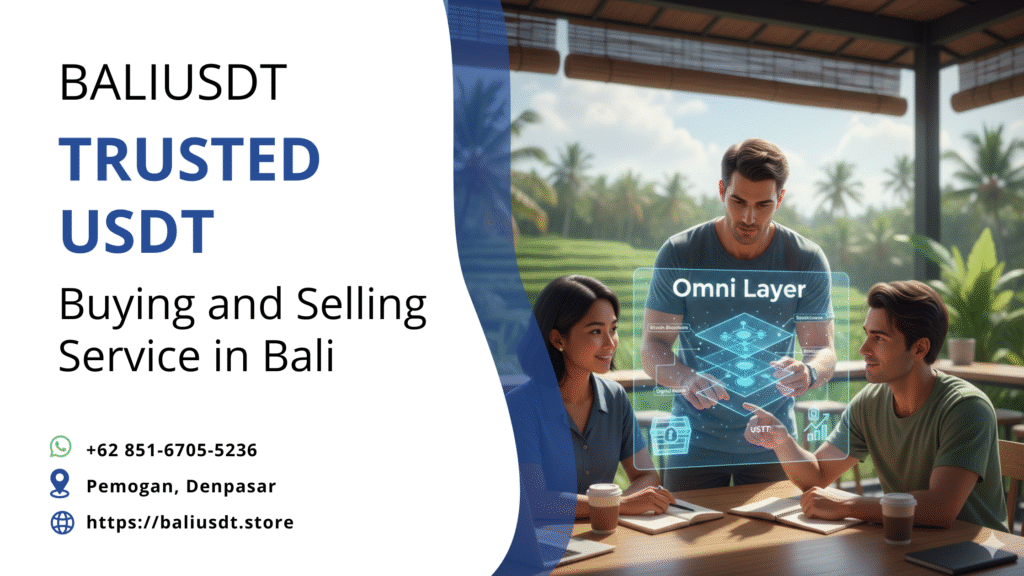
To truly answer the question, what is omni layer?, we have to look back at the history of Bitcoin. Omni Layer is a software layer built directly on top of the Bitcoin blockchain. It was one of the first protocols to enable the creation and trading of custom digital assets—long before Ethereum became the giant it is today. Originally known as Mastercoin in 2013, it provided the technical infrastructure that allowed the very first USDT tokens to be minted.
For years, if you were an expat moving funds internationally, the Omni Layer was the standard for high-security stablecoin transfers. Because it leverages the massive hash power of the Bitcoin network, it is incredibly secure. However, as the island of Bali grew as a destination for digital nomads, the limitations of the Bitcoin network—such as slower transaction speeds and higher gas fees during congestion—became more apparent. This led the community to shift toward faster networks like TRC-20 (Tron) and ERC-20 (Ethereum).
Why Travelers Should Care About Omni Layer Today
You might be wondering, if there are newer networks, what is omni layer? doing in the 2026 crypto landscape? While most exchanges and local desks in Bali have moved away from Omni due to its slow confirmation times (which can take up to 60 minutes), some legacy wallets and high-value institutions still hold funds on this layer. If you are a traveler who hasn’t checked your hardware wallet since the “early days” of 2017, you might still have USDT on the Omni Layer.
It is vital to know which network you are using because sending Omni-based USDT to a Tron (TRC-20) address will result in a permanent loss of funds. In the fast-paced environment of Bali’s tourism economy, where you might be liquidating assets to pay for a luxury villa or a long-term scooter rental, speed is key. Most professional exchange services in Kuta or Seminyak now prefer the Tron network because it provides near-instant confirmations, which is much more practical for the “on-the-go” lifestyle of a nomad. For those looking for modern, fast transactions, you can visit BaliUSDT.store to see the latest standards in secure USDT exchanges.
Technical Differences: Omni vs. ERC-20 and TRC-20
When exploring what is omni layer?, it helps to compare it to the modern alternatives you will encounter while traveling through Southeast Asia. Think of the Omni Layer as a heavy, armored truck: it is very safe, but it moves slowly and consumes a lot of fuel (fees). In contrast, the TRC-20 network is like a nimble scooter weaving through Denpasar traffic—it’s fast, cheap, and efficient for daily use.
| Feature | Omni Layer (Bitcoin) | TRC-20 (Tron) | ERC-20 (Ethereum) |
| Transaction Speed | Very Slow (10–60 mins) | Very Fast (1–3 mins) | Moderate (5–15 mins) |
| Fees | High (Bitcoin Gas) | Very Low (~$1 USD) | Moderate to High |
| Security | Highest (Bitcoin Hash) | High | High |
| Bali Adoption | Legacy / Low | Very High | High |
Understanding these differences ensures that you don’t get stuck at a local exchange office waiting an hour for a confirmation. As a foreigner, your time in Bali is precious; you’d rather be exploring the hidden waterfalls of Munduk than staring at a blockchain explorer. If you still have legacy assets and are asking what is omni layer? because you need to migrate them, it is best to do so through a reputable exchange that supports multi-chain deposits.
Safety and Security Tips for Expats in Bali
Regardless of the network you use, safety is the number one priority. Bali is a safe place, but the digital nomad community can sometimes be a target for “phishing” or unsecured network attacks. When you are researching what is omni layer? or managing your transfers, always use a dedicated VPN. Never access your crypto wallet via public Wi-Fi at a beach club or airport.
Additionally, be aware of the 2026 regulations in Indonesia. The provincial government has introduced stricter financial screening for long-stay visitors. Having your funds in a stable, verifiable format like USDT is a great way to prove financial capacity, but you must ensure you are using licensed services to convert those assets into Indonesian Rupiah (IDR). Remember, using crypto for direct payments—like buying a Bintang at a bar—is strictly prohibited and can lead to deportation. Always convert to IDR first to stay compliant with local laws.
Managing Your Assets: Local Tips and Cultural Notes
As you navigate the world of digital assets, keep the Balinese philosophy of “Tri Hita Karana” (harmony with people, nature, and the divine) in mind. This includes being an honest and transparent participant in the local economy. When you understand what is omni layer? and the technical side of your money, you are less likely to run into disputes with local service providers.
If you are staying in the southern tourism hub, finding professional assistance is easy. Many expats prefer physical offices over anonymous online P2P trades to avoid scams. A physical office provides a safe, air-conditioned environment where you can verify your transaction hash on the blockchain before the exchange is finalized.
Our office is located at:
JL. KARTIKA PLAZA, KUTA, KEC. KUTA, KAB. BADUNG, BALI 80361
Whether you are dealing with legacy Bitcoin-based assets or modern high-speed tokens, knowing what is omni layer? gives you the context needed to make smart financial decisions. By staying updated on technology and respecting local regulations, you can enjoy a seamless, secure, and spiritually enriching stay in the Island of the Gods.
Conclusion
In the evolution of cryptocurrency, the answer to what is omni layer? represents the foundational building block of the stablecoin industry. While it may no longer be the fastest way to move money around Bali in 2026, its history of security and its role in creating USDT cannot be ignored. For the modern digital nomad, the goal is to bridge that legacy of security with the modern need for speed. By choosing the right network for your daily expenses and only using trusted, professional exchange services, you ensure that your tropical adventure remains focused on the beauty of Bali rather than the stress of lost transactions. Stay informed, stay secure, and let your digital assets work for you.
If you have legacy USDT or need a fast, secure way to sell your USDT for Rupiah at today’s best rates, our team is here to help.
Visit our office in Bali for secure USDT selling
📲 WhatsApp us to sell your USDT safely: +62 851-6705-5236
Legal Note: USDT is processed as a commodity sale in Indonesia, not as a direct payment method.
Read More: What is the difference between USDT and USDC? A Bali Guide