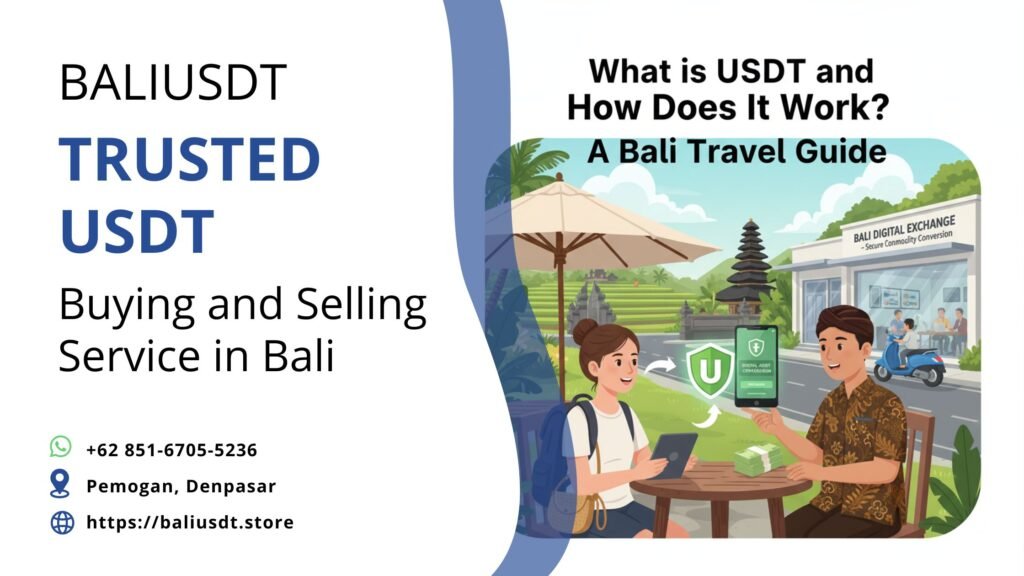
Many travelers arriving in Indonesia often ask what is USDT and how does it work when they look for ways to manage their finances across borders. Essentially, USDT, or Tether, is a stablecoin designed to mirror the value of the U.S. Dollar, providing a digital alternative to traditional cash. For digital nomads and tourists exploring the vibrant landscapes of Bali, understanding this asset is crucial for maintaining financial flexibility. By bridging the gap between volatile cryptocurrencies and stable fiat money, USDT offers a reliable way to hold value without the constant worry of market swings.
Understanding What is USDT and How Does It Work
To truly grasp what is USDT and how does it work, you must look at its foundation as a stablecoin. Unlike Bitcoin or Ethereum, which can change price drastically in an hour, USDT aims to stay at a 1:1 ratio with the U.S. Dollar. It achieves this stability by maintaining reserves that back every token in circulation. When you hold USDT, you are essentially holding a digital representation of a dollar that lives on the blockchain.
The “how it works” part involves various blockchain networks such as Ethereum (ERC-20), Tron (TRC-20), and Binance Smart Chain. For a traveler in Bali, the network matters because it dictates the speed and the cost of moving your funds. Most people in the local community prefer the Tron network because it offers faster transactions and significantly lower fees compared to others. This technical efficiency is why many expats rely on it to keep their “travel fund” stable while they hop between cafes in Canggu or Uluwatu.
Why Travelers and Expats in Bali Prefer USDT
Living in Bali as a foreigner comes with unique financial challenges, such as fluctuating exchange rates and high international bank fees. When you understand what is USDT and how does it work, you see why it has become the preferred digital asset for the community. It allows you to move large sums of value without relying on traditional swift transfers that might take days to clear.
Furthermore, Bali has a high concentration of tech-savvy individuals. Whether you are co-working in Ubud or attending a networking event in Seminyak, you will find that many people use USDT as a store of value. It provides peace of mind; while the local Rupiah (IDR) might fluctuate against your home currency, your USDT remains steady. This stability is vital when you are planning long-term villa rentals or purchasing high-end surf gear.
Safety is another major factor. Carrying large amounts of physical cash while riding a scooter through busy streets isn’t always ideal. By keeping your funds in a digital wallet, you reduce the risk of physical theft. However, you must always keep your private keys secure and use two-factor authentication. Once you master what is USDT and how does it work, your digital wallet becomes a portable, secure vault that follows you wherever you go on the island.
Managing Your Digital Assets Safely in Indonesia
When exploring the question of what is USDT and how does it work in a local context, safety and legality are paramount. Indonesia has clear regulations regarding digital assets. While you cannot use USDT to pay for your morning coffee or a Batur trekking tour directly, you can legally own and trade it as a commodity. This means you need a reliable way to convert your tokens into Rupiah to cover your daily expenses.
To stay safe, avoid using public Wi-Fi at beach clubs when accessing your crypto exchange or wallet. Instead, use a local SIM card with a dedicated data plan or a trusted VPN. Additionally, be wary of “p2p” deals with strangers you meet online. It is always better to work with established services that have a physical presence. If you need to liquidate some of your holdings, BaliUSDT.store provides a streamlined and secure environment for travelers to handle their transactions.
Educating yourself on what is USDT and how does it work also means knowing how to spot scams. If someone promises you “doubled returns” on your USDT, it is a red flag. Real USDT does not grow in value; it stays at one dollar. Its purpose is stability, not speculative profit. By sticking to this fundamental truth, you protect your hard-earned travel budget from unnecessary risks.
Local Tips for Converting USDT to IDR
Once you have a firm handle on what is USDT and how does it work, the next practical step is conversion. Bali offers several options, but for the best experience, you should look for convenience and transparency. The local market in Denpasar and surrounding areas is very active. However, as a tourist, you want to ensure you are getting a fair rate that matches the global market price of the dollar.
Here are a few tips for your first conversion:
- Check the Network: Ensure your USDT is on a network supported by the local exchange (TRC-20 is most common).
- Verify Rates: Use a currency converter app to see the current USD to IDR rate so you know what to expect.
- Visit a Physical Office: For larger amounts, visiting a professional office in an area like Pemogan provides an extra layer of security and trust.
- Plan Ahead: Don’t wait until your wallet is empty to convert. Process your transactions during business hours for the fastest service.
Understanding what is USDT and how does it work empowers you to bypass the long queues at traditional money changers. Instead of carrying stacks of foreign banknotes, you can simply manage your balance digitally and convert only what you need. This modern approach to travel finance is one reason why Bali remains a top destination for the global digital nomad tribe.
Transportation, Culture, and Crypto Etiquette
In Bali, culture is at the heart of everything. While discussing what is USDT and how does it work is common in the expat bubble, it is important to remain respectful of local customs. Always use Rupiah for all your local purchases, as this supports the local economy and follows Indonesian law. Your USDT is your “back-end” financial tool, not a replacement for the local currency.
When it comes to transportation, apps like Gojek and Grab are essential. You can link your local bank account or a digital wallet to these apps, but they only accept Rupiah. Therefore, your ability to explain what is USDT and how does it work to yourself is useless if you don’t actually perform the conversion to IDR. Having cash on hand is also vital for smaller “warungs” (local eateries) and traditional markets where digital payments haven’t yet arrived.
Finally, remember that the “Bali way” is built on community and kindness. If you find success using digital assets to fund your travels, consider supporting local artisans and sustainable tourism projects. Being a responsible traveler means more than just being financially savvy; it means contributing positively to the island that hosts you.
Conclusion
Understanding what is USDT and how does it work is a powerful advantage for any international visitor to Bali. It provides a stable, secure, and efficient way to manage your funds in a rapidly changing world. By treating USDT as a digital commodity, you can hedge against currency volatility and ensure you always have access to the funds you need for your island adventures.
Whether you are surfing the waves in Medewi or meditating in the forests of Tegallalang, your financial security should be the last thing on your mind. By using reputable local services and staying informed about the digital landscape, you can focus on what really matters: experiencing the magic of Bali.
Ready to Exchange Your USDT?
If you are currently in Bali and need a professional service to help you navigate your digital assets, our team is ready to assist. We offer a secure and transparent process for all our clients.
📲 WhatsApp us to sell your USDT safely: +62 851-6705-5236
- Visit our office in Bali for secure USDT selling
- Location: Pemogan, Denpasar
USDT is processed as a commodity sale in Indonesia, not as a direct payment method.
Read also : What is USDT Airdrop? A Guide for Travelers in Bali