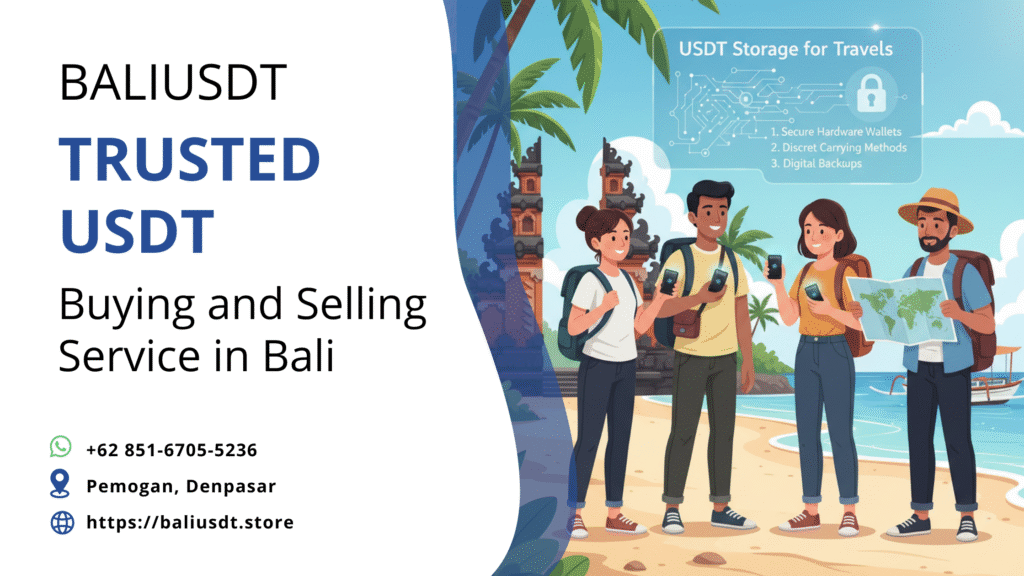
Where to store usdt hardware wallets is a vital consideration for international tourists who rely on stablecoins to manage their travel budgets across different countries. When you are planning a dream vacation to a destination like Bali, your financial security should be your top priority. Using Tether (USDT) offers a magnificent way to avoid the high fees of traditional banks, but it also places the responsibility of security directly in your hands. A hardware wallet, often called a “cold wallet,” provides the highest level of protection by keeping your private keys offline and away from hackers. This comprehensive guide will explore the best practices for choosing and securing your hardware wallet while navigating the unique landscape of international travel.
Choosing the Best Device: Where to Store USDT Hardware?
When deciding where to store usdt hardware devices, you must first choose a wallet that matches your travel style. In 2025, the market offers several high-end options that cater to different needs. For the tech-savvy tourist, the Ledger Nano X remains a popular choice because it supports Bluetooth, allowing you to manage your funds on your smartphone while sipping a cocktail at a beach club. Alternatively, the Trezor Safe 5 offers a highly secure, open-source environment for those who prioritize transparency and advanced security features.
If you are a long-term digital nomad, you might prefer an “air-gapped” device like the Ellipal Titan 2.0. This device has no Bluetooth or Wi-Fi, using only QR codes to sign transactions. This physical isolation makes it nearly impossible for a remote hacker to access your funds. For most travelers, the primary concern is a balance between convenience and ironclad safety. By selecting a device that supports multiple blockchains (like Ethereum, Tron, and Binance Smart Chain), you ensure that your USDT is always accessible regardless of which network you prefer to use.
Furthermore, consider the physical durability of your device. Traveling often involves humidity, dust, and the occasional tropical rain shower. Some newer wallets, such as those from Tangem, are shaped like credit cards and are waterproof, making them ideal for the active traveler who enjoys surfing or trekking through the jungle. Knowing where to store usdt hardware starts with selecting a device that can survive the rigors of the road.
Pre-Travel Security: Setting Up Your Wallet for the Road
Before you even pack your bags, you must set up your security protocols. The first rule of hardware wallets is never to store your 24-word recovery phrase on your phone or in your email. If you are wondering where to store usdt hardware recovery phrases, the answer is always “offline.” Many professionals use a metal backup plate, such as those from Cryptosteel, which can survive fire and water damage. Leave one copy in a secure safe at home and, if necessary, keep a second highly encrypted copy in a separate physical location.
Additionally, always update your wallet’s firmware to the latest version before you depart. Developers regularly release patches to fix vulnerabilities, and you don’t want to be forced to do a critical update using a slow and insecure hotel Wi-Fi connection. Setting a strong, unique PIN code is also mandatory. If your hardware wallet is lost or stolen during your journey, a strong PIN ensures that the thief cannot access your funds before you have a chance to recover them using your seed phrase on a new device.
For an extra layer of “travel insurance,” consider using the “Passphrase” feature (also known as the 25th word). This creates a hidden wallet within your device. You can keep a small amount of “decoy” USDT in the main wallet and the bulk of your savings in the passphrase-protected hidden wallet. In the unlikely event that you are forced to unlock your device under duress, you can provide the PIN for the decoy wallet, keeping your primary wealth safe.
Navigating Bali: Carrying Your Hardware Wallet Safely
Once you arrive in the “Island of the Gods,” you need to be mindful of your physical surroundings. While Bali is generally safe for tourists, petty theft can occur in busy areas like Kuta or Canggu. When considering where to store usdt hardware while moving around, we recommend leaving your main device in your hotel safe or a locked suitcase. You should only carry it with you if you specifically plan to perform a transaction that day.
For daily spending, it is much safer to keep a small amount of “spending money” in a software wallet on your phone. You can easily top this up from your hardware wallet when you are in a secure, private location. If you must carry your hardware wallet, keep it in a concealed pocket or a small travel pouch that is not easily visible to others. Discretion is your best defense against targeted theft.
Moreover, be aware of “shoulder surfers” in public cafes. When you connect your hardware wallet to your laptop to check your balance, make sure nobody is watching you enter your PIN. Even though the hardware wallet is secure, someone seeing your PIN and then stealing the device later is a real risk. By being observant and cautious, you can enjoy the beauty of Ubud or the sunsets of Uluwatu without compromising your financial security.
Liquidating Your USDT: From Cold Storage to Local Cash
While your hardware wallet keeps your assets safe, you will eventually need the local currency—the Indonesian Rupiah (IDR)—to pay for your meals, transport, and local tours. This brings us back to the practical side of where to store usdt hardware: how do you get it out when you need it? In Indonesia, crypto is regulated as a digital financial asset and cannot be used for direct payments. You must sell your USDT for cash or a bank transfer.
For a seamless experience, many tourists rely on BaliUSDT.store. Using a trusted local exchange allows you to transfer your USDT from your hardware wallet directly to a professional service. This avoids the high spreads and potential scams associated with informal peer-to-peer (P2P) groups. Whether you are staying in a luxury resort or a cozy guesthouse, knowing you have a reliable way to access your funds is a huge relief.
If you prefer a more personal touch, you can visit a physical office to complete your exchange. Many reputable services are located in the Pemogan, Denpasar area, providing a secure and professional environment for your transaction. This face-to-face interaction is especially valuable for first-time visitors who want to ensure they are following local regulations. By bridging the gap between your hardware wallet and the local economy, you ensure your trip remains stress-free and well-funded.
Local Travel Tips: Logistics and Cultural Etiquette
Beyond your digital finances, success in Bali depends on understanding the local way of life. For transportation, we highly recommend using Gojek or Grab. These apps are affordable and provide fixed-rate rides, meaning you won’t have to haggle with taxi drivers. However, you will need IDR cash to tip your drivers or pay for small expenses, which highlights why knowing where to store usdt hardware and how to liquidate it is so important.
- Connectivity: Purchase a local SIM card (like Telkomsel) at the airport or a local shop for reliable internet to manage your wallet apps.
- Temple Etiquette: Always wear a sarong and cover your shoulders when visiting sacred sites like Pura Besakih.
- Health: Stick to bottled water to avoid the common “Bali Belly” and keep your holiday on track.
- Respect: The Balinese people are incredibly friendly; a simple “Terima Kasih” (Thank you) goes a long way in building rapport.
By combining your high-tech security with a respect for local traditions, you create a balanced and fulfilling travel experience. Digital assets like USDT give you the freedom to travel longer and further, but only if you manage them with the care and attention they deserve.
Conclusion: Traveling Confidently with Your Hardware Wallet
In conclusion, knowing where to store usdt hardware and how to use it effectively is the hallmark of a savvy modern traveler. A hardware wallet is your digital fortress, protecting your hard-earned savings from the uncertainties of the internet. By choosing the right device, setting up robust backups, and following local security advice, you can explore the world with complete peace of mind.
Bali is a destination that rewards the prepared. With your USDT safely tucked away in your cold storage and a clear plan for converting it into local Rupiah, the only thing you need to worry about is which beach to visit next. The future of travel is digital, and with the right tools, you are perfectly positioned to enjoy everything this incredible world has to offer.
Travel smart, stay secure, and let your digital assets provide the freedom you’ve always dreamed of.
Need to Sell Your USDT Safely in Bali?
Don’t let your digital assets stay locked away when you need cash for your next adventure. If you are looking for a secure, legal, and professional way to convert your USDT into Indonesian Rupiah, our team is ready to assist you.
- Visit our office in Bali for secure USDT selling (Located in Pemogan, Denpasar)
- Get guidance for selling USDT legally in Indonesia
- Check today’s USDT selling rate via Whatsapp
📲 WhatsApp us to sell your USDT safely: +62 851-6705-5236
USDT is processed as a commodity sale in Indonesia, not as a direct payment method.
Read also: Can You Stake USDT? A Comprehensive Guide for Travelers