Which chain type is usdt is one of the most critical questions a modern traveler needs to answer before embarking on an international journey. As the world moves toward a more digital economy, stablecoins like Tether (USDT) have become a preferred way for tourists and digital nomads to carry funds across borders without the volatility of traditional cryptocurrencies. However, USDT is not a single entity; it exists on multiple blockchains, each with its own set of rules, speeds, and costs. For a traveler landing in a destination like Bali, choosing the wrong chain type could mean the difference between paying a $1 transaction fee or a $30 one. Understanding these technical nuances is the key to managing your travel budget efficiently and safely. This guide will help you navigate the various blockchain networks to ensure your funds are always accessible and secure.
Understanding the Variety: Which Chain Type Is USDT Available On?
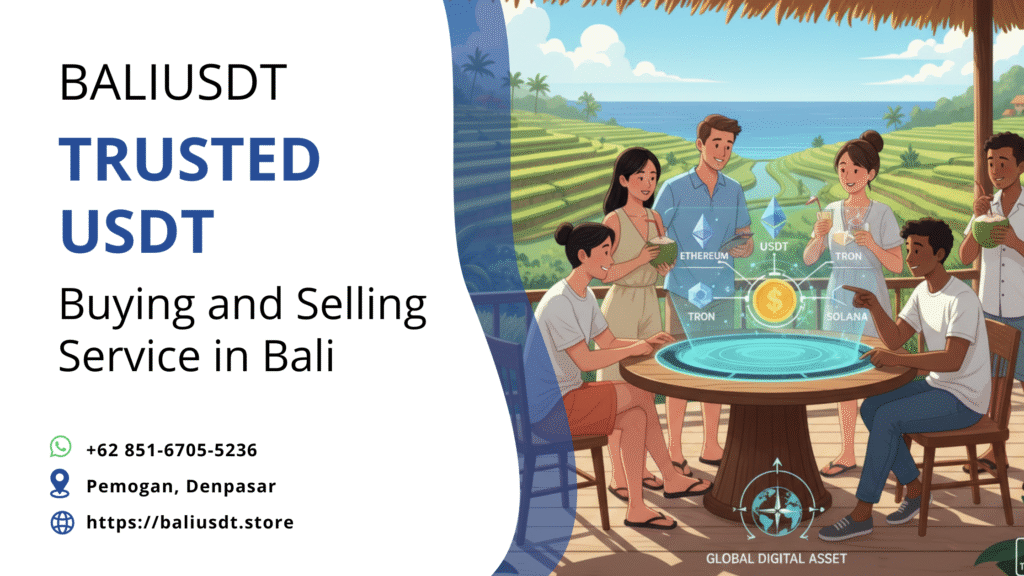
To answer “which chain type is usdt,” we must first look at the multi-chain nature of Tether. USDT is a “stablecoin,” meaning its value is pegged 1:1 to the US Dollar. To make it accessible to as many people as possible, the issuer (Tether Limited) has launched the token on dozens of different blockchains. In 2026, the most common chain types you will encounter are Ethereum (ERC-20), TRON (TRC-20), Solana (SPL), and the BNB Smart Chain (BEP-20).
Each of these networks acts as a different “highway” for your money. For example, the Ethereum highway is incredibly secure but often very expensive during peak hours. On the other hand, the TRON highway is built for speed and low-cost transfers, which is why it has become the gold standard for travelers. When you are standing at an exchange office or trying to book a local tour, knowing which chain type is usdt in your specific wallet is the first step toward a successful transaction.
TRC-20 vs. ERC-20: Choosing the Best Option for Tourists
When tourists ask “which chain type is usdt,” they are usually comparing the two giants: TRC-20 and ERC-20. For a visitor in Bali, the TRC-20 network (TRON) is almost always the superior choice. This is because TRC-20 transactions typically cost between $1 and $2, and they are confirmed in just a few minutes. This speed is essential when you need to quickly get Indonesian Rupiah cash for a scooter rental or a traditional market visit.
In contrast, the ERC-20 network (Ethereum) is often favored by institutional investors and those holding large sums of money for long periods. While it is incredibly decentralized and secure, the “gas fees” can skyrocket to $30 or more when the network is busy. For a traveler needing to liquidate $500 for weekly expenses, a $30 fee represents a significant loss. Therefore, if you are planning your holiday budget, the practical answer to “which chain type is usdt” for daily use is definitely TRC-20.
Safety and Security: Protecting Your Digital Assets Abroad
Once you have determined which chain type is usdt for your needs, your next priority is security. Bali is a tech-forward island, but international travelers are often targets for cyber-attacks. Managing your crypto on the go requires a different set of habits than managing it at home.
- Avoid Public Wi-Fi: Never open your crypto wallet or perform a transfer while connected to free Wi-Fi at airports or beach clubs. These networks are often unencrypted. Instead, use a local SIM card (like Telkomsel) for a private 5G connection.
- Verify Wallet Addresses: One of the biggest risks when asking “which chain type is usdt” is sending funds to the wrong address type. A TRC-20 address starts with a “T,” while an ERC-20 address starts with “0x.” If you send TRC-20 tokens to an ERC-20 address, your money will likely be lost forever.
- Use Biometrics: Enable FaceID or fingerprint scanning on your mobile wallet. This provides an extra layer of protection if your phone is ever lost or stolen during your travels.
By staying vigilant, you can enjoy the convenience of digital assets without the stress of potential security breaches.
Converting USDT to Cash in Bali: The Legal Framework
A common misconception among visitors is that they can pay for a villa or a meal directly with crypto. In Indonesia, the law is very clear: the Indonesian Rupiah (IDR) is the only legal tender for payments. While you can legally own and trade crypto, it is classified as a commodity. This is where knowing “which chain type is usdt” becomes vital for your liquidity. You must convert your digital assets into physical cash or a bank transfer before you can spend them.
For travelers staying in the Pemogan, Denpasar area, there are specialized exchange services designed to help. Using a reputable provider like BaliUSDT.store allows you to sell your USDT safely. These services typically prefer the TRC-20 network due to its efficiency. When you visit a professional office in Pemogan, Denpasar, you can send your USDT and receive physical Rupiah in minutes. This is a much safer alternative to meeting strangers for peer-to-peer (P2P) trades, which can often lead to scams.
Cultural Tips and Local Insights for Your Stay
Bali is more than just a tourist destination; it is the “Island of the Gods,” with a rich cultural heritage. As you navigate the island with your freshly converted cash, keep some local etiquette in mind. The Balinese people value respect and harmony above all else. When paying for a handmade sarong or a local “Babi Guling” lunch, always hand over your cash with your right hand. The left hand is traditionally considered less clean.
Furthermore, while you are busy figuring out which chain type is usdt for your travel funds, don’t forget the importance of small change. Many local experiences, such as the “Canang Sari” offerings or parking fees at the majestic Uluwatu Temple, require small notes like 2,000 or 5,000 IDR. Having a mix of large and small bills in your wallet will make your interactions with the local community much smoother and more respectful.
- Transportation: Use the Gojek or Grab apps for fair pricing, but keep cash ready for drivers who take you on long day trips to North Bali.
- Dress Code: Always wear a sarong and sash when entering holy temples. Many sites provide these for a small cash fee at the entrance.
- Connectivity: Stay connected with a local eSIM to manage your wallets and navigate the island’s winding roads with ease.
Conclusion: Mastering the Multi-Chain World of USDT
In conclusion, the question “which chain type is usdt” is the foundation of a successful digital-first travel strategy. By choosing the right network—typically TRC-20 for its low fees and high speed—you can protect your travel budget and ensure you always have access to local currency. Whether you are catching the world-class waves of Padang Padang or finding peace in a yoga retreat in Ubud, your financial peace of mind is essential for a truly relaxing holiday.
Remember to prioritize security, respect local laws and customs, and use trusted exchange services in Pemogan, Denpasar for your cash-out needs. With the right knowledge and a secure wallet, your Bali adventure will be both technologically advanced and culturally enriching. Safe travels!
Need to Sell Your USDT Safely in Bali?
Don’t let the complexity of blockchain networks stop you from enjoying your holiday. If you are in Bali and need a secure way to turn your digital assets into local cash, our team in Pemogan, Denpasar is here to help. We offer a professional, legal, and fast service for all your exchange needs.
- Check today’s USDT selling rate via WhatsApp
- Get guidance for selling USDT legally in Indonesia
- Visit our office in Bali for secure USDT selling (Located in Pemogan, Denpasar)
📲 Whatsapp us to sell your USDT safely: +62 851-6705-5236
USDT is processed as a commodity sale in Indonesia, not as a direct payment method.
Read also: Can We Trade with Flash USDT? A 2026 Guide for Travelers