When you consider using the stablecoin USDT for cross-border transactions or managing funds as a digital nomad, a crucial question arises: who owns Tether USDT? Unlike decentralized cryptocurrencies like Bitcoin, Tether (USDT) is a centralized, fiat-backed token issued by a company—or a group of interconnected companies called Tether Group. Understanding this corporate ownership structure is essential for international users. The company’s financial stability and regulatory compliance directly affect the reliability of the USDT you hold and use while traveling. Tether Limited ultimately issues and manages the reserves for USDT. This company operates under a larger parent entity.
The Ultimate Parent: Tether Holdings Limited
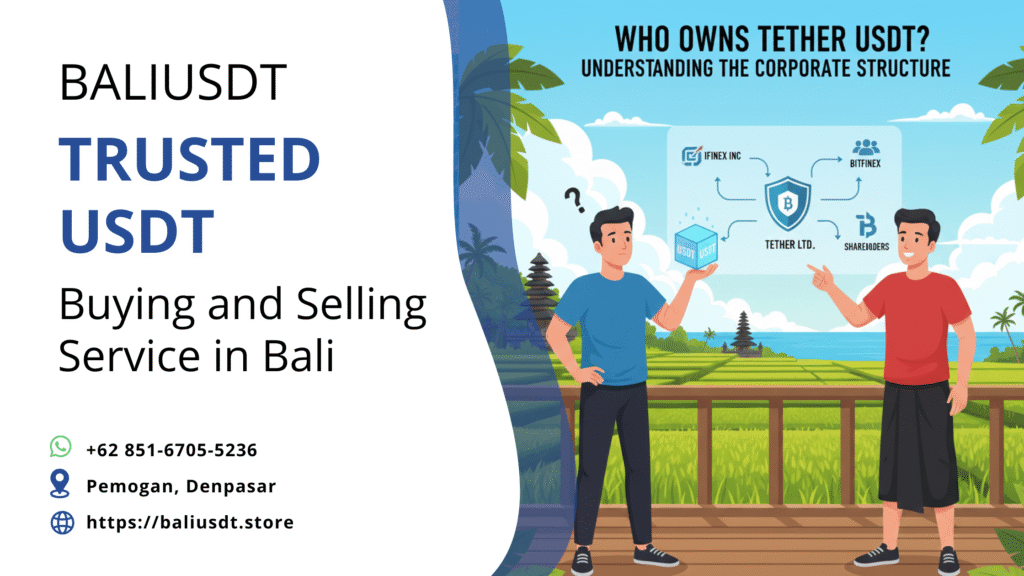
Tether Limited, the entity responsible for the daily issuance and management of USDT, is a subsidiary of a private company with a complex offshore structure.
The Holding Company and Key Executives
The ultimate parent company is Tether Holdings Limited. This is a privately held entity incorporated in the British Virgin Islands. The holding company controls the entire Tether Group of entities.
- Relationship with Bitfinex: Tether Holdings Limited also owns the prominent cryptocurrency exchange Bitfinex through another subsidiary, iFinex Inc. This close, shared ownership of both the largest stablecoin issuer and a major crypto exchange has historically drawn intense scrutiny over conflicts of interest and transparency.
- Primary Stakeholders: Since the company is private, the precise ownership stakes are not fully public. However, reports suggest that a handful of key executives who manage both Tether and Bitfinex hold most of the ownership. Giancarlo Devasini, who serves as the Chairman, is often cited as the single largest individual shareholder. Other top executives who hold significant roles and stakes include Paolo Ardoino, the Chief Executive Officer.
Therefore, the simple answer to who owns Tether USDT is the group of private individuals who own Tether Holdings Limited, mainly the core leadership team.
The Operational Entities Behind USDT
The Tether Group uses several different legal entities. These entities conduct its global operations, from issuance to technical management and international compliance.
Tether Limited and Tether Operations Limited
The name “Tether Limited” often appears in documents, but it is just one of several operational entities:
- Tether Limited (Hong Kong): This entity traditionally served as the company that launched the platform and initially issued the Tether tokens.
- Tether Operations Limited: This subsidiary often provides operational support and services. It handles much of the recent regulatory compliance and management of the diverse blockchains on which USDT exists (e.g., TRC-20, ERC-20). The company has announced a shift in its formal domicile and regulatory focus to places like El Salvador in recent years.
This multi-jurisdictional structure allows the company to reach a global audience. It also lets them adapt to varying regulatory landscapes. However, for a foreign tourist, the stability of the token matters most. That stability relies on the reserve backing.
USDT Reserves: What Backs the Token?
Understanding who owns Tether USDT also requires examining what backs the token. USDT is not backed by the government or a central bank. The reserves held by the Tether Group itself back it.
The 1:1 Peg Mechanism
Tether asserts that its reserves back every USDT token issued into circulation by 100%. The company’s goal is to ensure that 1 USDT always equals $1 USD.
- The Nature of Reserves: Tether’s reserves are not just cash. They include a diversified portfolio of assets: US Treasury Bills (often the largest part), corporate bonds, funds, precious metals, and even a small amount of Bitcoin.
- Transparency and Scrutiny: Because the company is private, analysts have long scrutinized the exact composition and custody of these reserves. Tether addresses these concerns by providing quarterly attestations (reports signed off by an accounting firm). While attestations are not the same as a full, independent audit, they offer regular snapshots. These snapshots show that the Group’s assets exceed its liabilities, which is the main factor maintaining user confidence.
This backing is paramount for a traveler in Bali. The stable backing means you can reliably calculate the value of your funds when converting them into Indonesian Rupiah (IDR).
Why Ownership Matters for Travelers and Digital Nomads
For international users relying on USDT for financial efficiency, the ownership and structure of Tether Limited translate into practical considerations.
Safety and Regulatory Compliance
Regulatory actions taken against the company, such as previous settlements with the New York Attorney General’s office, show the need for the issuer to follow compliance guidelines. As Tether works to formalize its operations in new jurisdictions, it strengthens its legitimacy. This indirectly benefits every user of the stablecoin. A more compliant issuer means less systemic risk for the token.
Fund Access and Liquidity
Tether’s close relationship with Bitfinex, though controversial, ensures immediate liquidity. This means USDT is widely accepted and available on virtually every major global exchange.
- Ease of Off-Ramp: This liquidity is vital when a traveler needs to quickly convert USDT into local cash (IDR). Reputable local services, such as those that operate in Pemogan, Denpasar, rely on this deep liquidity. This allows them to offer instant, reliable cash conversion. For secure local selling assistance, platforms like BaliUSDT.store provide verified services. The stability guaranteed by the corporate reserve forms the foundation of the trust necessary for these essential off-ramp services.
The question of who owns Tether USDT ultimately addresses the underlying counterparty risk of the entire stablecoin ecosystem.
Conclusion
In summary, the question of who owns Tether USDT points to Tether Holdings Limited. This private parent company, incorporated in the British Virgin Islands, has ownership primarily concentrated among its senior executives, notably Chairman Giancarlo Devasini and CEO Paolo Ardoino. The same parent company also owns the Bitfinex crypto exchange. This centralized, private ownership has sparked debates over transparency. However, the company consistently works to maintain the 1:1 peg of USDT to the USD through its vast, diversified reserves. For the traveler or expat, this engineered stability is the core benefit. It ensures that the funds you transfer and hold remain reliably valued. This facilitates seamless conversion into local currency like IDR through secure channels while you are abroad.
Contact our team for USDT selling assistance
📲 Whatsapp us to sell your USDT safely: +62 851-6705-5236
Visit our office in Bali for secure USDT selling: Pemogan, Denpasar
USDT is processed as a commodity sale in Indonesia, not as a direct payment method.
Read also: How to Cash Out USDT Safely: The Traveler’s Off-Ramp Guide